 Product Sheet
Cell Isolation Bundle Product Sheet
An overview of the Cell Isolation Bundle covering the workflow, performance data across nine tissue types, specifications, and ordering information.

 Product Sheet
An overview of the Cell Isolation Bundle covering the workflow, performance data across nine tissue types, specifications, and ordering information.
Product SheetA complete, ready-to-run solution for isolating viable cardiomyocytes and cardiac fibroblasts from heart tissue using the Singulator Platform, optimized for downstream single-cell genomics and transcriptomics applications.
Product SheetThe NIC+ Isolation Bundle with RNase Inhibitor V2 automates high-yield nuclei isolation from fresh, frozen, OCT-embedded, and FFPE tissues in just 6 minutes on the Singulator Platform, delivering reproducible, low-bias results for single-cell and single-nuclei genomics applications.
Product SheetA validated reagent bundle for extracting high-quality single-nuclei suspensions from fresh, frozen, and OCT-embedded tissues on the Singulator Platform, delivering reproducible, high-yield nuclei for downstream single-nuclei genomics applications.
Product SheetThis product sheet covers how RNase Inhibitor V2 protects RNA integrity during nuclei isolation on the Singulator Platform, with performance data, compatible applications, specifications, and ordering information for 8-, 24-, and 96-sample pack sizes.
 Field Guide
A practical playbook for delivering one standard of single-cell sample prep across every operator, every shift, and every sample type your core takes in. Your intake queue changes every day. Your prep quality shouldn't.
 Blog
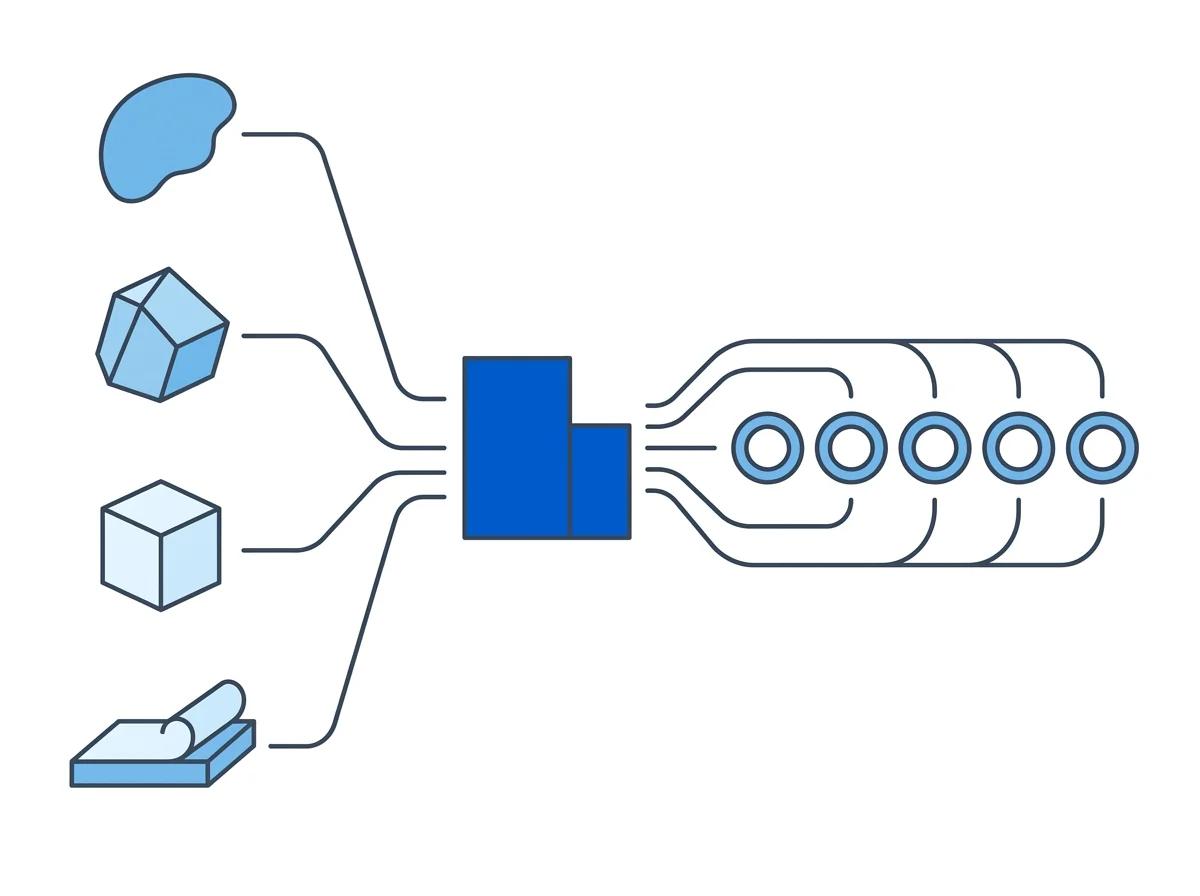
BlogWhen the sample is a needle biopsy, a sorted population, or a few milligrams of rare tissue, there is no second curl if the prep fails. Here is what it takes to turn inputs that small into sequencing-ready cells or nuclei without grinding the material away, and how to make it a standard your whole core can run.
 Blog
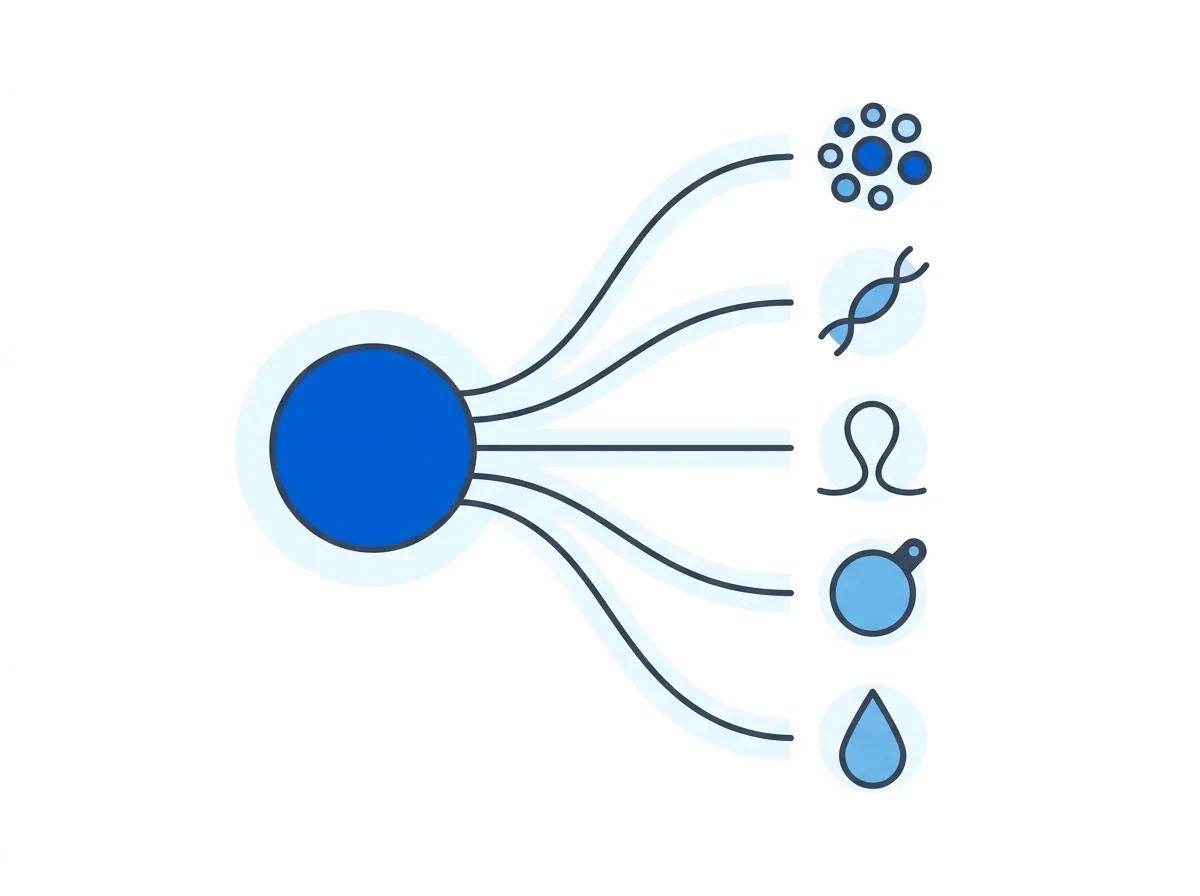
BlogFresh, frozen, and FFPE tissue. Cells or nuclei. A core's intake range is the reason most labs end up running a method for each problem. One automated sample-prep instrument holds the whole range to a single standard of quality.
 Blog
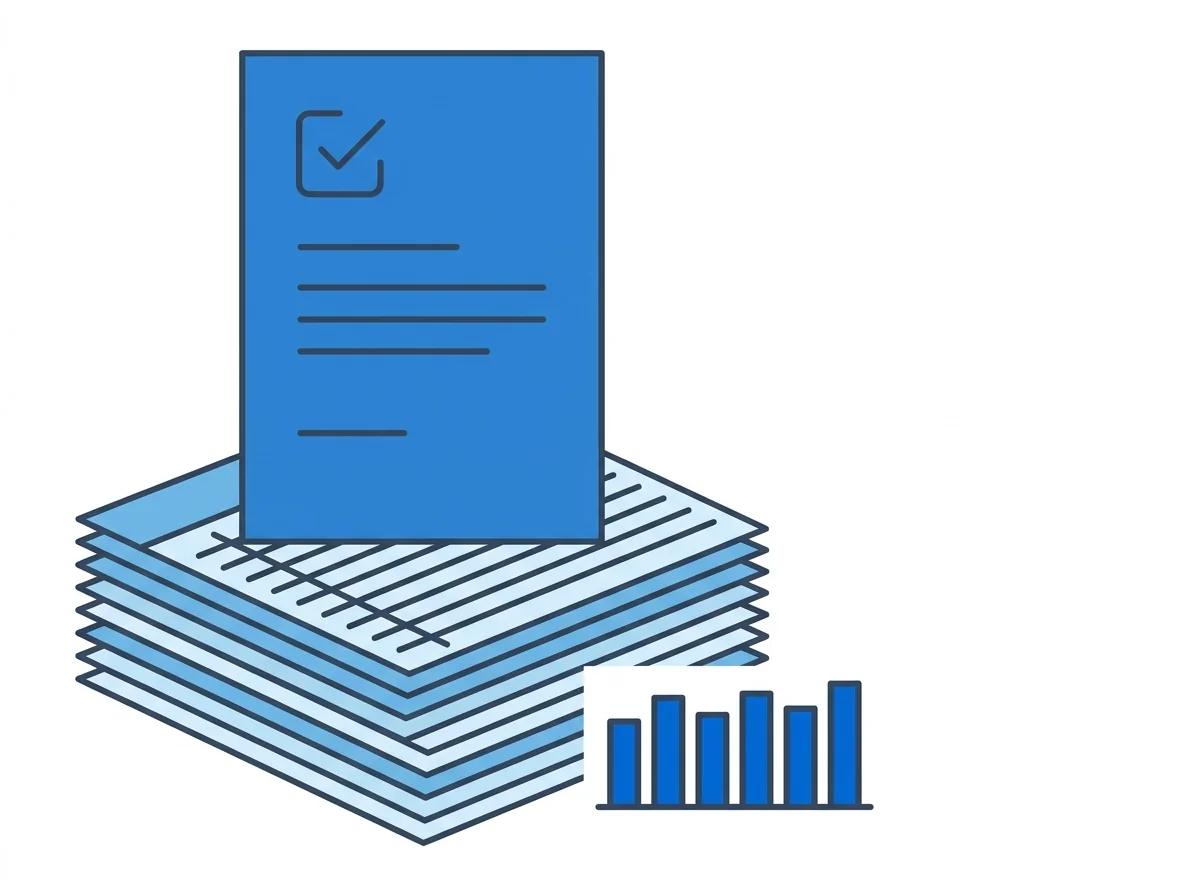
BlogscRNA-seq one day, snRNA-seq the next, ATAC-seq, CITE-seq, and a FACS sort in the same week. A shared multi-omics core can feed all of them from a single automated sample-prep step, held to one standard of quality.
 Blog
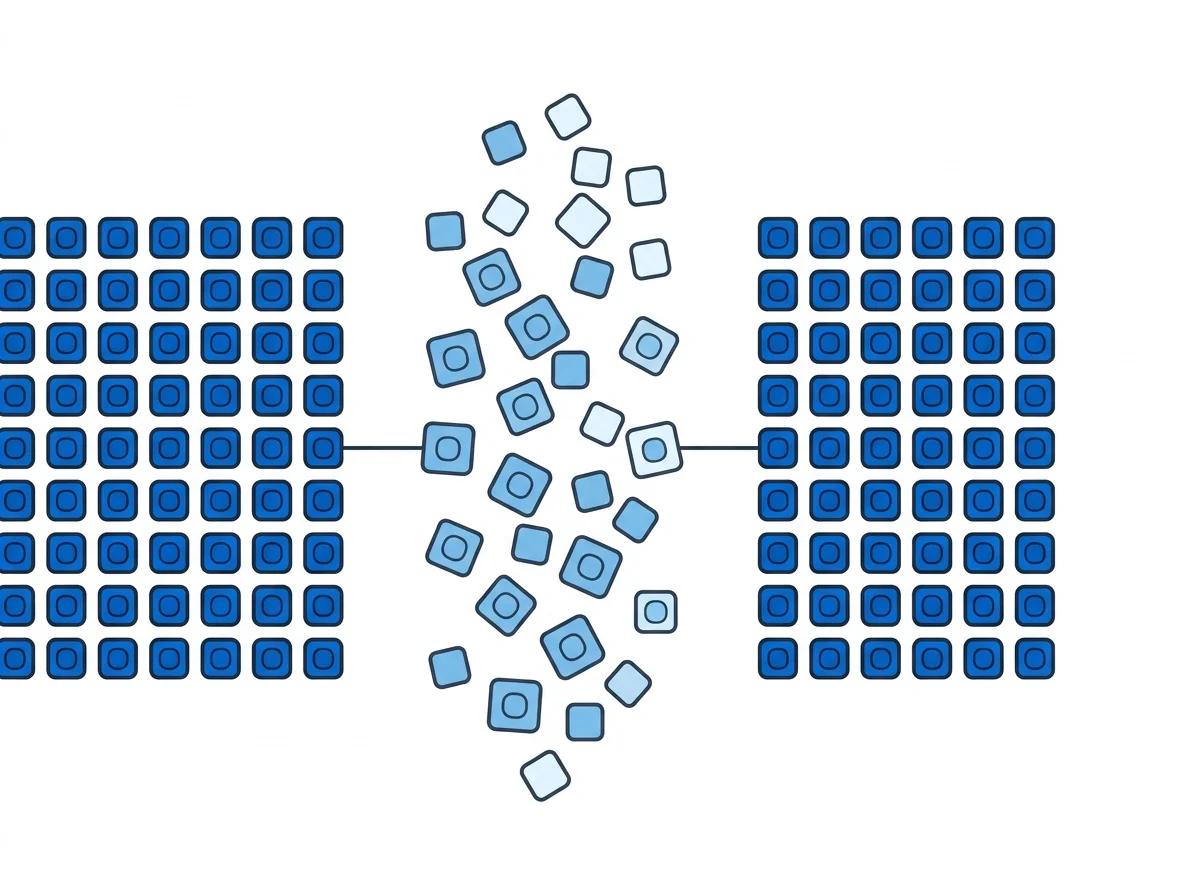
BlogAn S10 reviewer scores documented need, utilization across an NIH-funded user base, and whether the resource will hold up. Standardized, auditable single-cell sample prep maps to all three, and gives a shared core the run logs and reproducibility data to put in front of a study section.
 Blog
BlogA shared core takes in different tissue from different labs every shift. The one step that should hold steady is the one that drifts most with whoever is at the bench. It does not have to.
 Blog
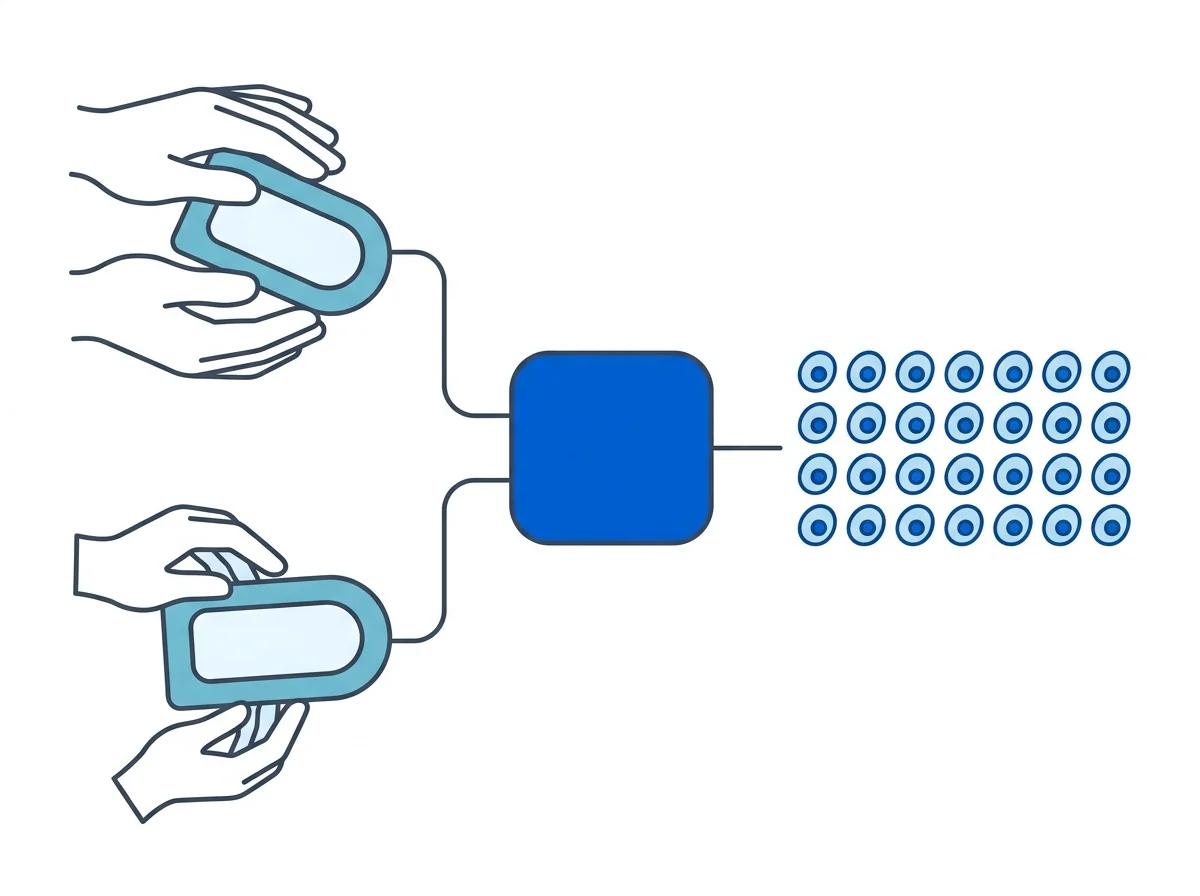
BlogTwo questions come up in every core that weighs this: our senior tech already gets clean prep, and won't we get locked into one vendor's protocols. Both are fair. Here is the honest answer to each.
 Blog
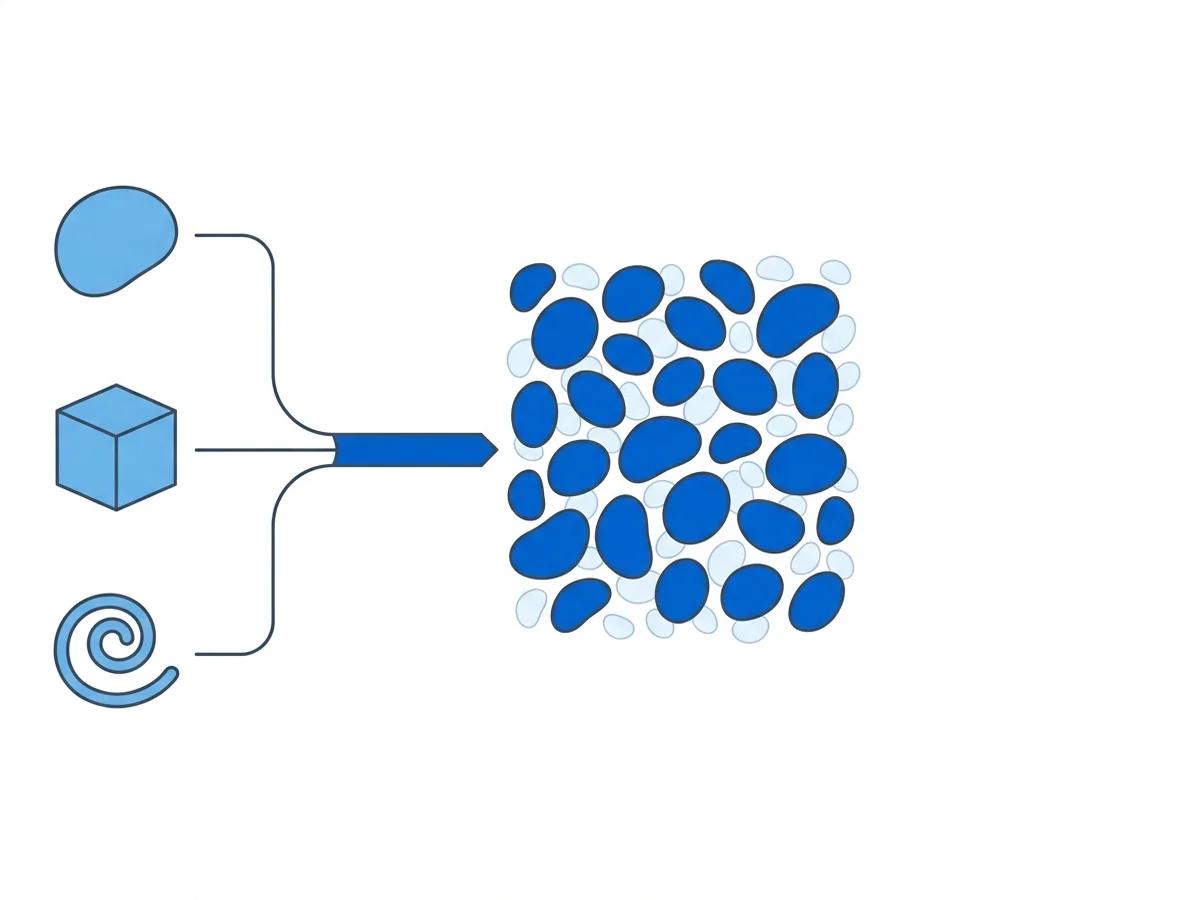
BlogOne software-controlled workflow from tissue to sequencing-ready nuclei, whatever you start with. Here's what "fully automated" rules out — and the hardest case that proves it.
 Blog
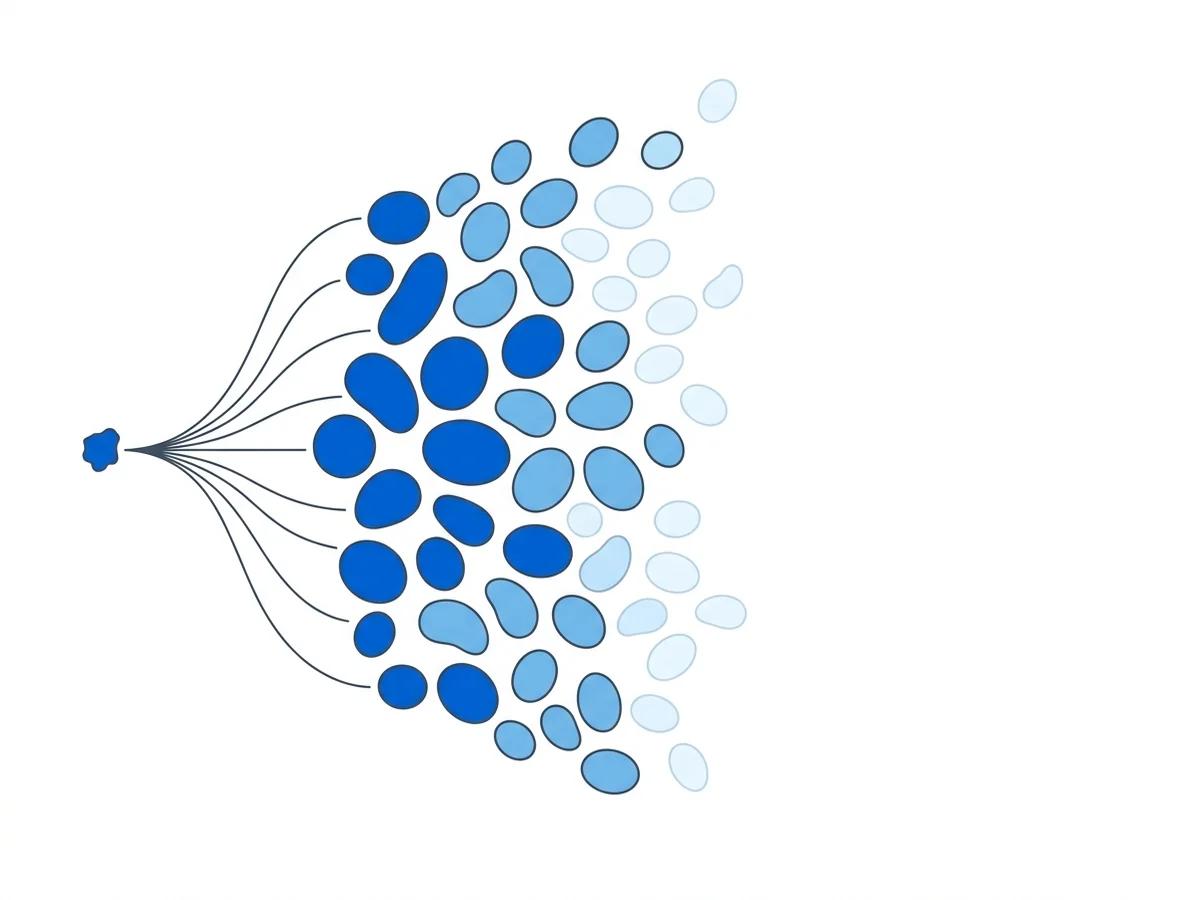
BlogWhy the minimum input a platform can run — 2 mg fresh/frozen, a 50 µm FFPE curl on the Singulator — is the most consequential spec for labs with scarce or irreplaceable samples, and matters more than throughput.
 Blog
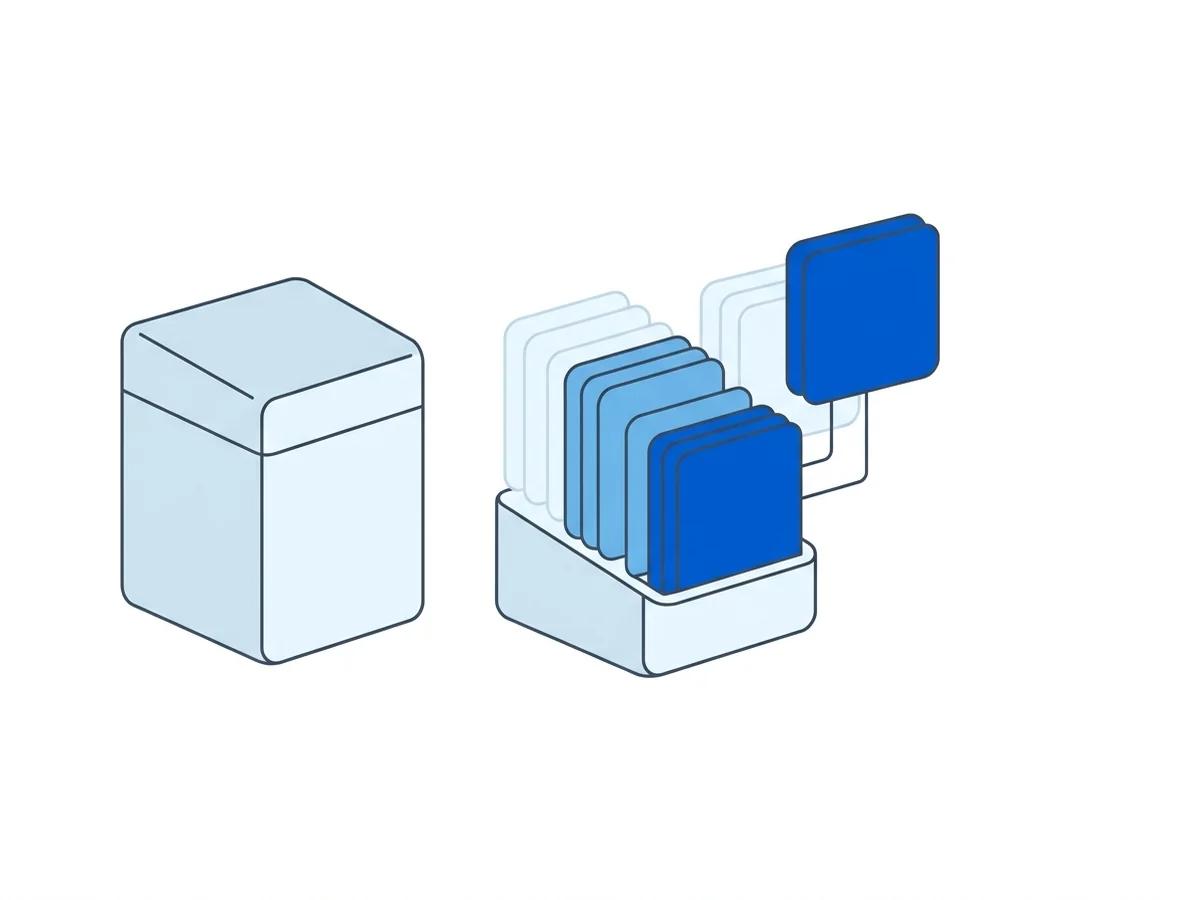
BlogWhy “software-controlled” (not “software-locked”) is the accurate description of Singulator protocol fidelity — and what that distinction means for core facilities and S10 grant reproducibility.
 Field Guide
Brain FFPE tissue creates unique nuclei isolation challenges. Myelin debris, lipid contamination, and fragile neuronal nuclei require controlled automated processing to preserve cell-type diversity for single-nucleus sequencing.
Field GuideProcess brain tumor FFPE from surgical resections on the Singulator 200+. Preserve cancer cells and immune populations for snRNA-seq and spatial analysis.
 Ebook
EbookHow the Singulator 200+ preserves fragile neuronal nuclei from irreplaceable postmortem brain tissue. Automated FFPE processing for Alzheimer's, brain tumors, and brain atlases.
Field GuideExtract nuclei from FFPE brain tissue for Alzheimer's, Parkinson's, and Lewy body research. Longitudinal cohorts, cell-type preservation, and disease staging on the Singulator 200+.
Field GuidePair spatial transcriptomics with snRNA-seq from the same FFPE brain block. Block allocation, platform selection, and nuclei quality for multi-omic brain studies.
Field GuideGet high-quality nuclei from limited postmortem brain FFPE sections. Process NIH biobank allocations, hospital archives, and surgical specimens on the Singulator 200+.
Field GuidePractical guide to postmortem brain FFPE challenges: necropsy timing, fixation variability, biobank sourcing, myelin debris, and how the Singulator 200+ standardizes nuclei extraction.
Field GuideStandardize brain FFPE nuclei extraction across consortium sites with the Singulator 200+. Eliminate operator variability, prevent batch effects, and scale for atlas projects.
 Webinar
Ronan Chaligné from Memorial Sloan Kettering shares several years of head-to-head benchmarking data comparing nuclei extraction platforms for FFPE tissue. The Singulator 200+ and Miltenyi GentleMACS both outperformed manual approaches across glioblastoma, liver, lung, pancreas, and tumor samples, with the Singulator 200+ standing out for its fully automated, enzyme-free workflow. Ronan also walks through three methods his lab has built on top of automated FFPE extraction: 10X Genomics FLEX for high-quality gene expression, PERFF-Seq for sorting rare cell populations by RNA markers, and GIFT-Seq for detecting 600+ mutations at single-cell resolution from archival tissue.
 Protocol
This protocol describes how to isolate, count, and prepare single nuclei from FFPE (formalin-fixed, paraffin-embedded) tissues for single-nuclei sequencing assays using the Singulator 200+ platform. Deparaffinization and rehydration of the tissue using solvent and various concentrations of ethanol are conducted on the Singulator 200+ platform along with automated nuclei isolation.
ProtocolThis protocol describes how to isolate, count, and prepare single nuclei from FFPE (formalin-fixed,paraffin-embedded) tissues for single-nuclei sequencing assays using the Singulator Platform.
ProtocolThis protocol outlines the process for isolating, cleaning, counting, and preparing single cells fromfresh intestine tissue for single-cell sequencing assays listed below. Some
ProtocolThis protocol outlines the process for isolating, cleaning, counting, and preparing single cells from fresh tissue for the single-cell sequencing assays listed below
ProtocolThis protocol outlines the steps for isolating, counting, and preparing single cells from FFPE (formalin-fixed, paraffin-embedded) or paraformaldehyde (PFA) fixed whole tissues for single-cell sequencing assays using the Singulator™ Platform.
ProtocolThis protocol describes how to isolate, clean, count, and prepare single nuclei from fresh frozenmouse brain tissue for single-nuclei sequencing applications. Some optimizations of theSingulator™ protocol parameters may be needed based on storage time and tissue condition.
ProtocolThis protocol describes how to isolate, clean, count, and preparesingle nuclei from frozen tissue for single-nuclei sequencing assays.
 BlogPart 5
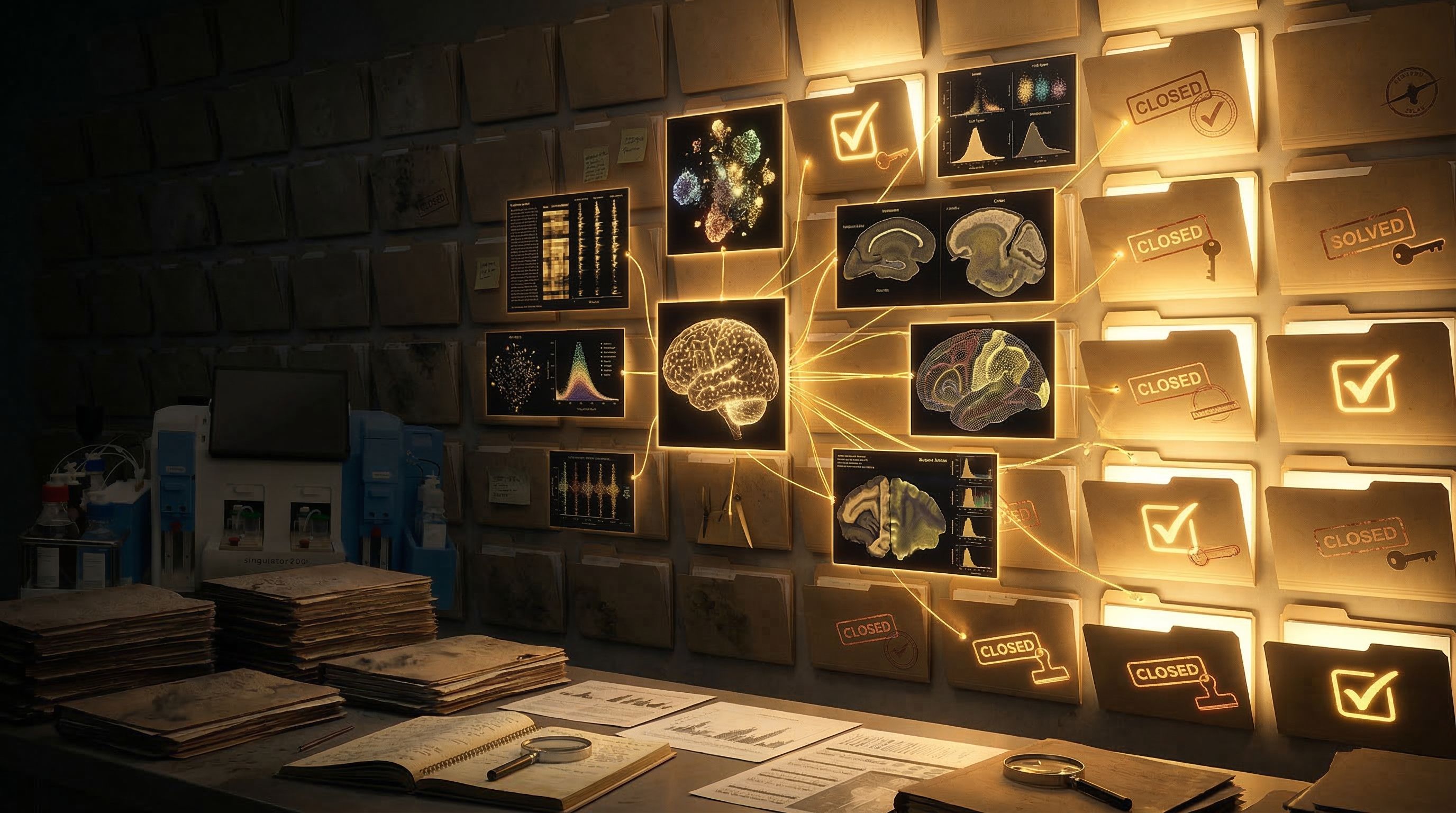
Brain atlases are being built. Archival tissue is finally talking. How standardized nuclei extraction and platform-agnostic analysis are solving neuroscience's oldest cold cases.
 BlogPart 2
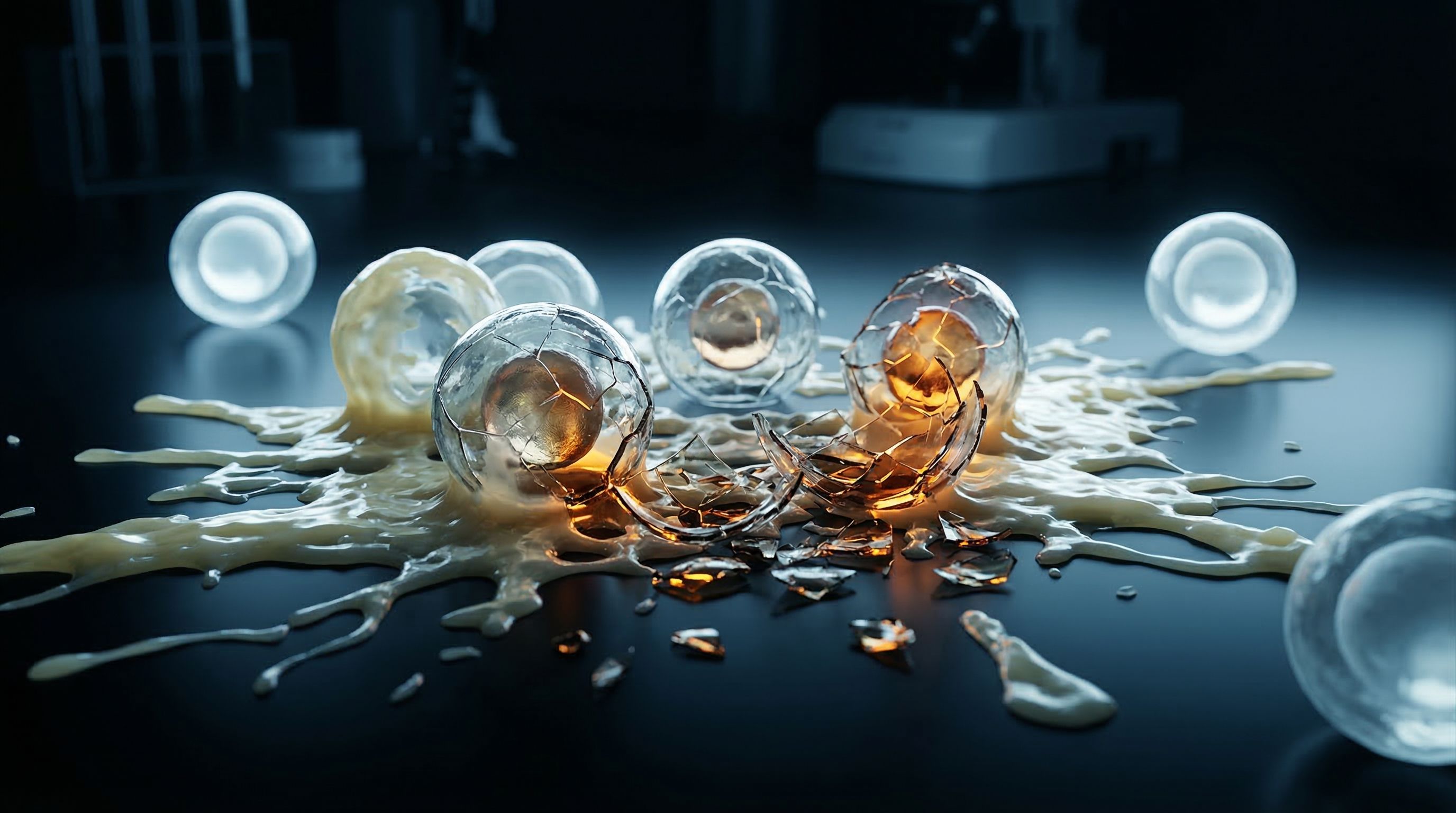
Manual extraction of nuclei from FFPE brain tissue destroys 50 to 60 percent of starting material. Fragile neurons die first, leaving biased results. Here is what goes wrong.
 BlogPart 1
Millions of FFPE brain tissue blocks sit in biobanks worldwide, holding decades of evidence about Alzheimer's, Parkinson's, and neurodegenerative diseases. What if we could reopen these cases?
 BlogPart 4
Manual FFPE processing destroys fragile neuronal nuclei and produces variable results. The Singulator 200+ automates the workflow with a two-cartridge system that delivers consistent, operator-independent results from irreplaceable brain tissue.
 BlogPart 3
NIH biobanks give you one allocation of irreplaceable brain tissue. Manual processing destroys 50-60% before analysis begins. The extraction method is the real variable.
 App Note
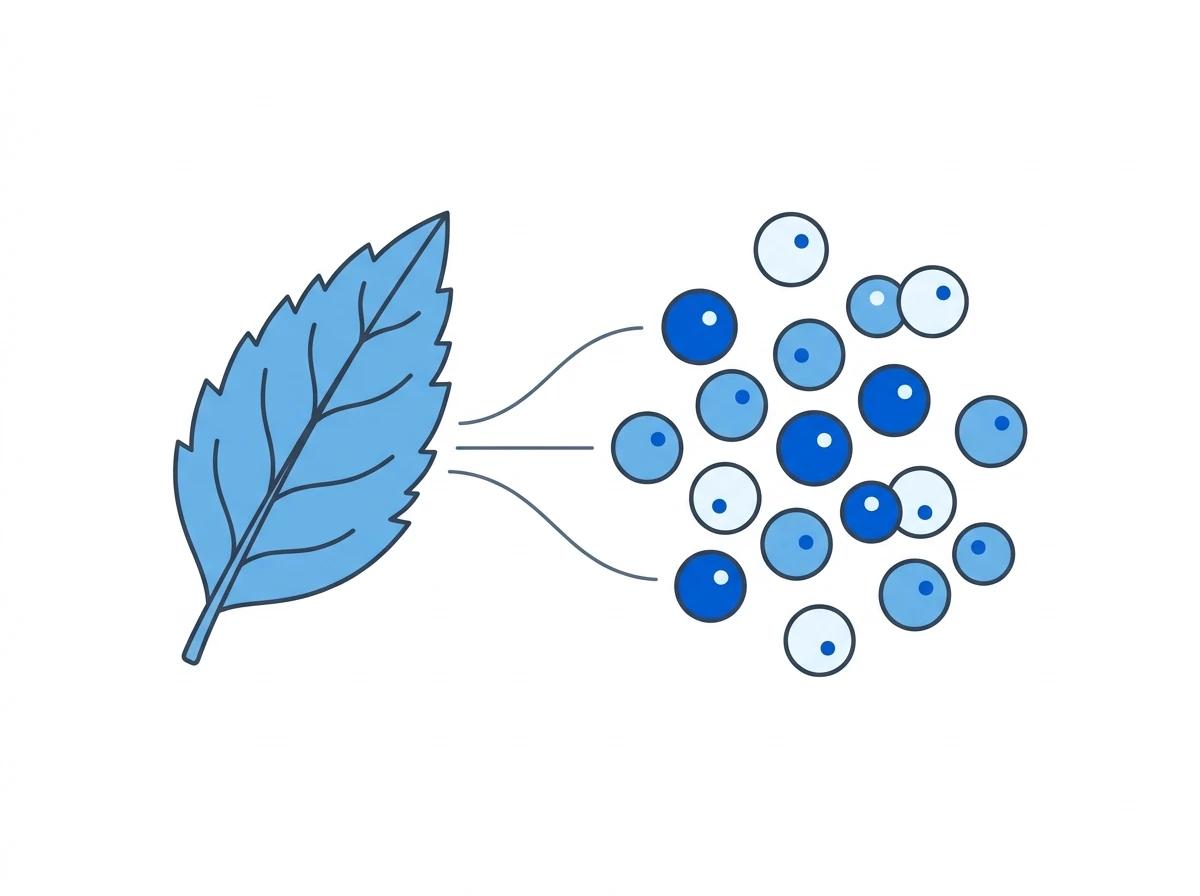
A University of Minnesota Genomics Center study validating the Singulator 200 for automated, standardized single-nucleus isolation across diverse plant species — pennycress, soybean, corn, and tobacco — from leaf, root, and flower tissue using just 50–150 mg of input. Automating the mechanical disruption and filtration steps standardizes an otherwise tedious, operator-dependent workflow; frozen leaf tissue yielded nuclei comparable to fresh, validating the method for stored and field-collected samples and producing preparations suitable for downstream 10x Genomics snRNA-seq. For Research Use Only.
Field GuideEnd-to-end protocol walkthrough from FFPE block selection through deparaffinization, nuclei isolation, quality control, library preparation, sequencing, and data analysis using the Singulator 200+.
Field GuideHow the Singulator 200+ GREEN cartridge automates FFPE deparaffinization and rehydration, eliminating toxic solvents, fume hoods, and manual ethanol series from nuclei extraction workflows.
Field GuidePractical guide to connecting Singulator 200+ FFPE nuclei with downstream analysis platforms including 10x Chromium Flex, Xenium, ATAC-seq, Visium, and MERFISH, covering quality requirements, expected yields, and multi-platform study design.
Field GuidePractical guide to preparing FFPE tissue inputs for the Singulator 200+ automated nuclei extraction platform, covering curl thickness selection, tissue mass requirements, block age effects, quality assessment, and handling difficult or precious specimens.
Field GuidePractical troubleshooting guide for the Singulator 200+ FFPE nuclei extraction workflow, covering the five most common problem categories: low yield, excessive debris, poor RNA quality, batch-to-batch variability, and cartridge/instrument errors.
Field GuidePractical strategies for maximizing nuclei recovery from limited FFPE tissue on the Singulator 200+, covering block quality assessment, sectioning waste reduction, the pilot curl approach for irreplaceable specimens, handling needle biopsies and crumbly blocks, and preserving nuclei yield post-processing.
Field GuideQuality assessment of nuclei isolated from FFPE tissue using the Singulator 200+, covering yield measurement, DAPI staining for morphology, DV200 RNA quality metrics, erythrocyte contamination assessment, and structured go/no-go decision frameworks before downstream sequencing.
 Ebook
EbookThe most comprehensive tissue dissociation reference available. Interactive protocols for single-cell isolation and nuclei extraction across 57+ tissue types with community and Singulator-optimized methods.
EbookHow formalin-fixed paraffin-embedded tissue archives hold enormous potential for single-cell genomics, and how the Singulator 200+ automates the nuclei extraction workflow to unlock that potential
 App Note
The Singulator platform paired with Parse Biosciences technology enables efficient single-cell isolation and sequencing from challenging tissue types, with high viability and robust cell yields suitable for downstream scRNA-seq analysis.
App NoteThese data demonstrate the ability of the Singulator Platform to prepare single-cell suspensions for both positive selection by a cell surface marker and single-cell RNA sequencing. These methods enable researchers to identify genes of interest for potential therapeutic targets for anti-tumor response
App NoteThe Singulator™ Platform provides a reproducible and precise method for isolating nuclei from complex tissues suitable for single-nuclei RNA sequencing. Our results demonstrate consistent nuclei yield and high-quality sequencing metrics across biological replicates, making it a reliable tool for neuroscientific research. The ability to produce high-quality nuclei with minimal variability enhances the accuracy of downstream snRNA analyses, facilitating deeper insights into normal biology and disease. Finally, the ability to identify rare cell types underscores the efficacy of the Singulator Platform in comprehensive cellular analysis, providing a detailed representation of the cellular landscape.
App NoteThe presence of intracellular and extracellular debris in single-nucleus RNA sequencing can present a significant challenge in obtaining reliable and accurate results. However, the use of the Precision Cell Systems Nuclei Debris Removal Reagent can effectively improve the quality of the samples. Our evaluation of the Nuclei Debris Removal Reagent shows successful removal of debris from traditionally high-debris samples of brain and liver nuclei while delivering high quality single nuclei suspensions. The resulting samples are able to be run through microfluidic single nuclei sequencing platforms without issues of clogging or reduced data quality
 BlogPart 1
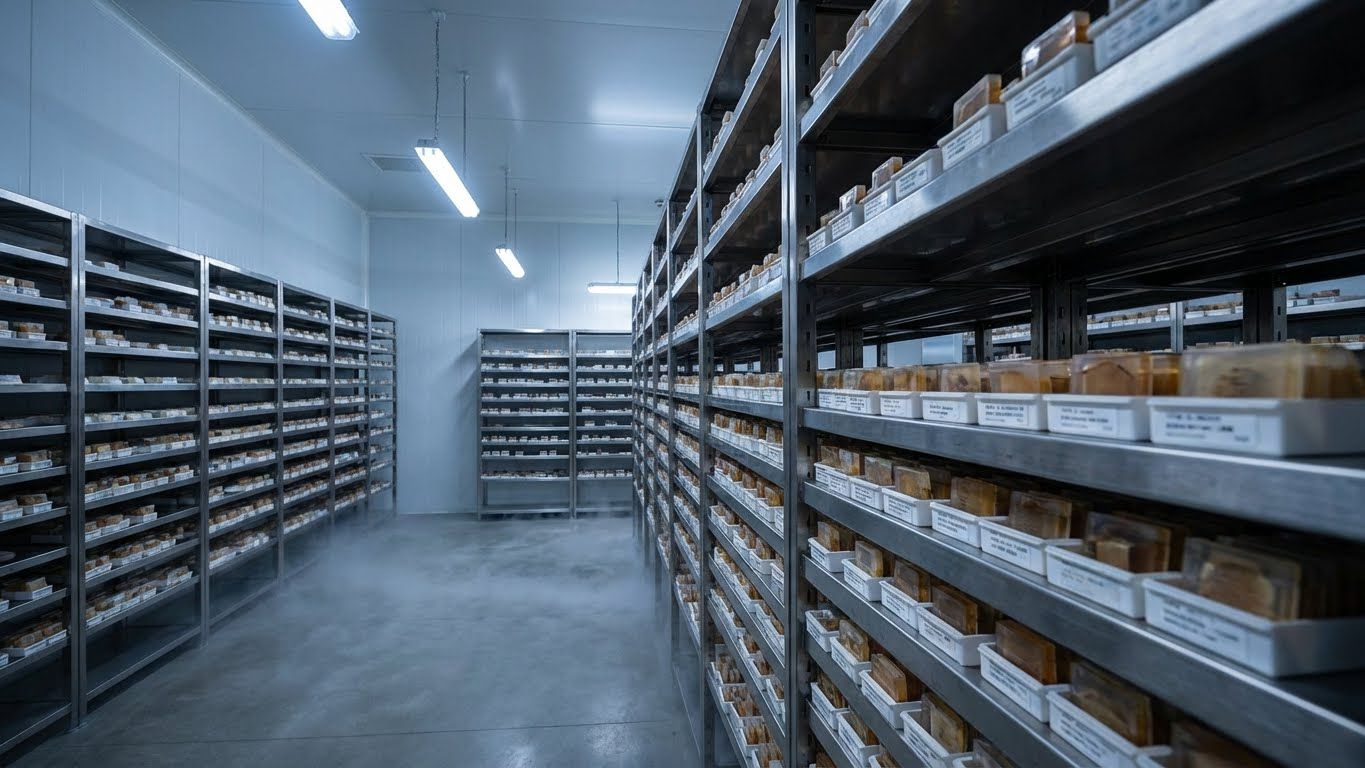
Somewhere in your institution, there's a dusty shelf. Sitting on it: thousands of tissue blocks. Each one holds decades of clinical history. Patient outcomes. Treatment responses. Disease progression. Data that took years to collect. And can you blame researchers for walking past it?
 BlogPart 2
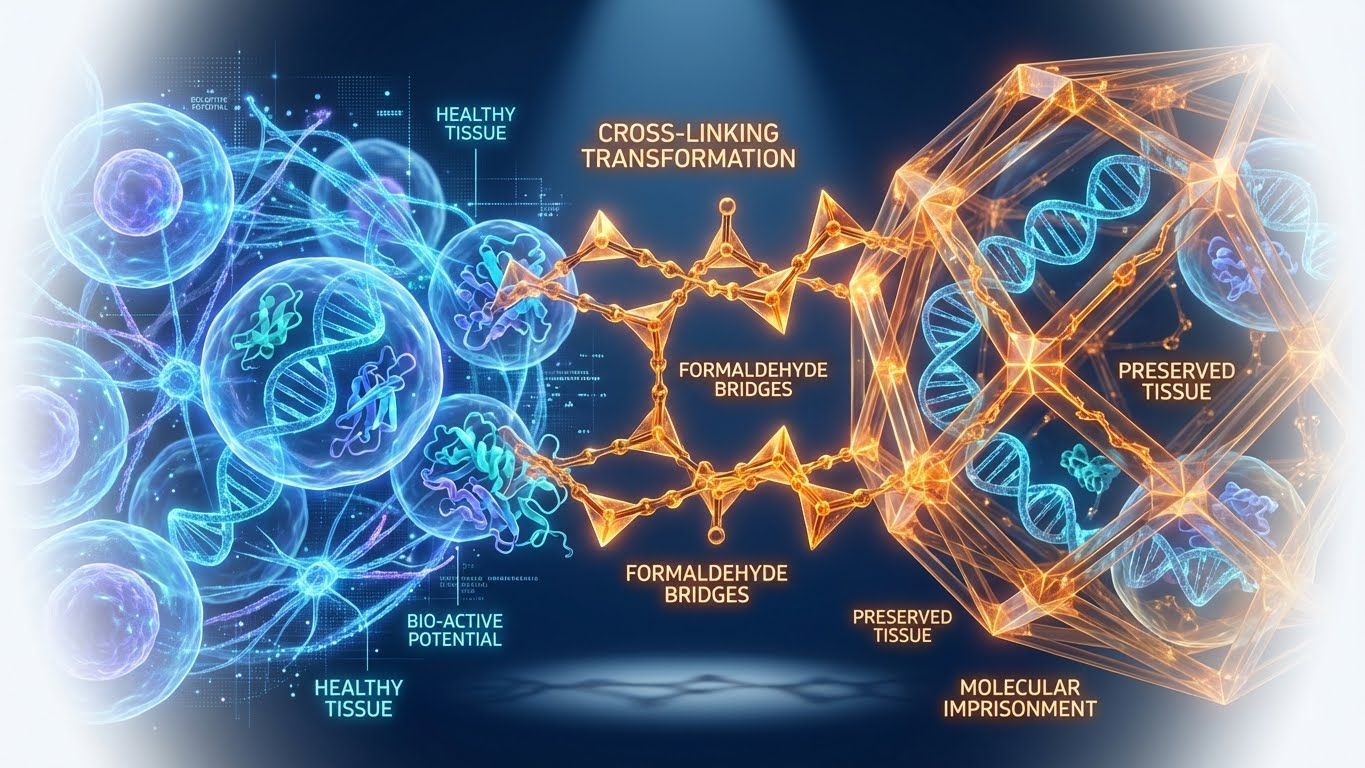
Here's a weird fact: the same chemical that saves your sample also traps everything useful inside it. Think about laminating a document. Great for protection. Terrible if you need to edit what's inside. That's formalin. And for decades, nobody could undo the damage.
 BlogPart 3
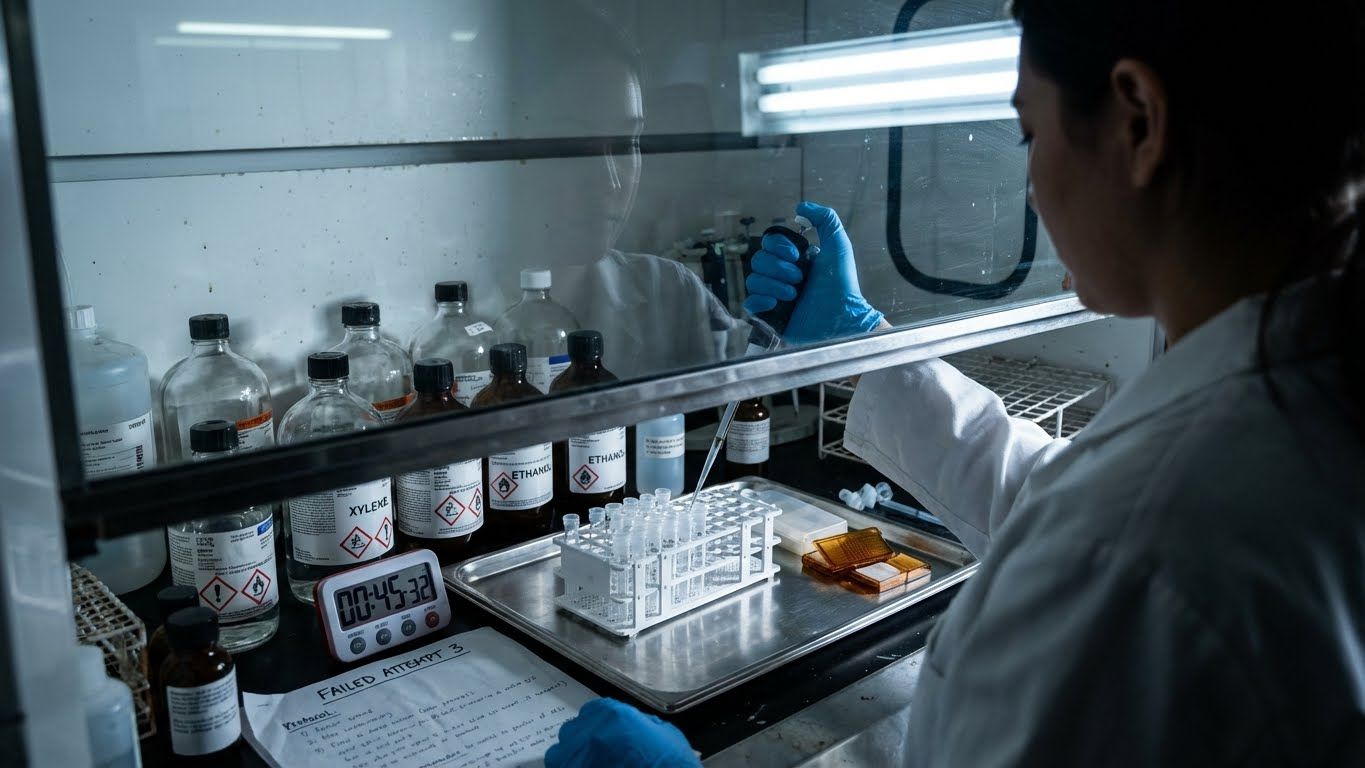
Third try. Third failure. The fume hood is running. The xylene smells terrible. And the protocol that worked last Tuesday is giving nothing but debris. Sound familiar? Here's the question nobody was asking: Is it your technique—or is it the physics?
 BlogPart 4
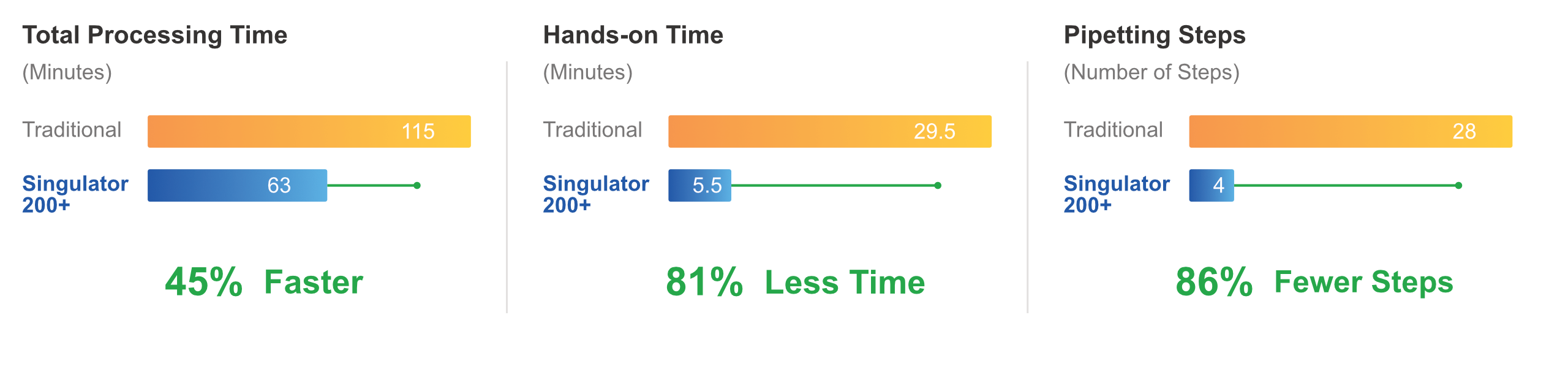
What if that two-hour protocol took sixty minutes? What if twelve pipetting steps dropped to four? What if the fume hood became optional? These aren't hypotheticals. This is what purpose-built automation looks like. And the difference isn't just time.
 BlogPart 5
Behind every tissue block is a patient who said yes. Yes to collection. Yes to research. Yes to the hope that their gift might help someone else. They trusted the science. The question now: are the protocols worthy of that trust?
 BlogPart 3
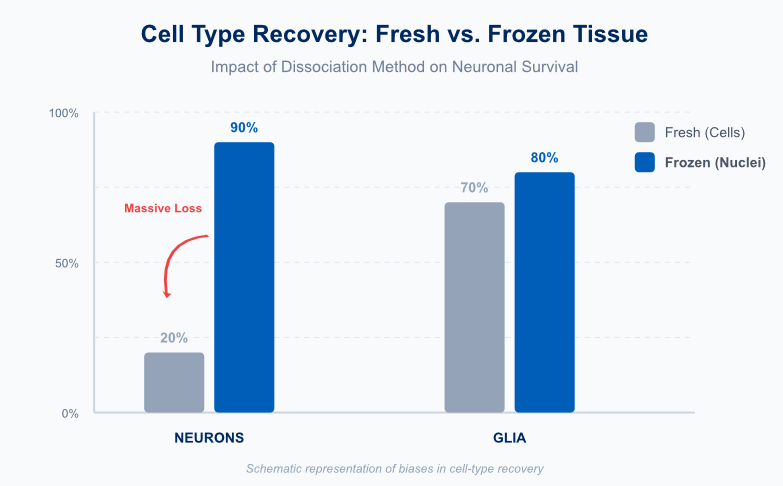
Fresh vs. Frozen: Which Side Are You On? Description: The debate between fresh tissue (whole cells) and frozen tissue (nuclei) divides labs. We explore why fresh dissociation often creates a "map of a disaster" through stress artifacts, and why frozen nuclei offer the unbiased, stable truth required for atlas-scale science.
 BlogPart 4
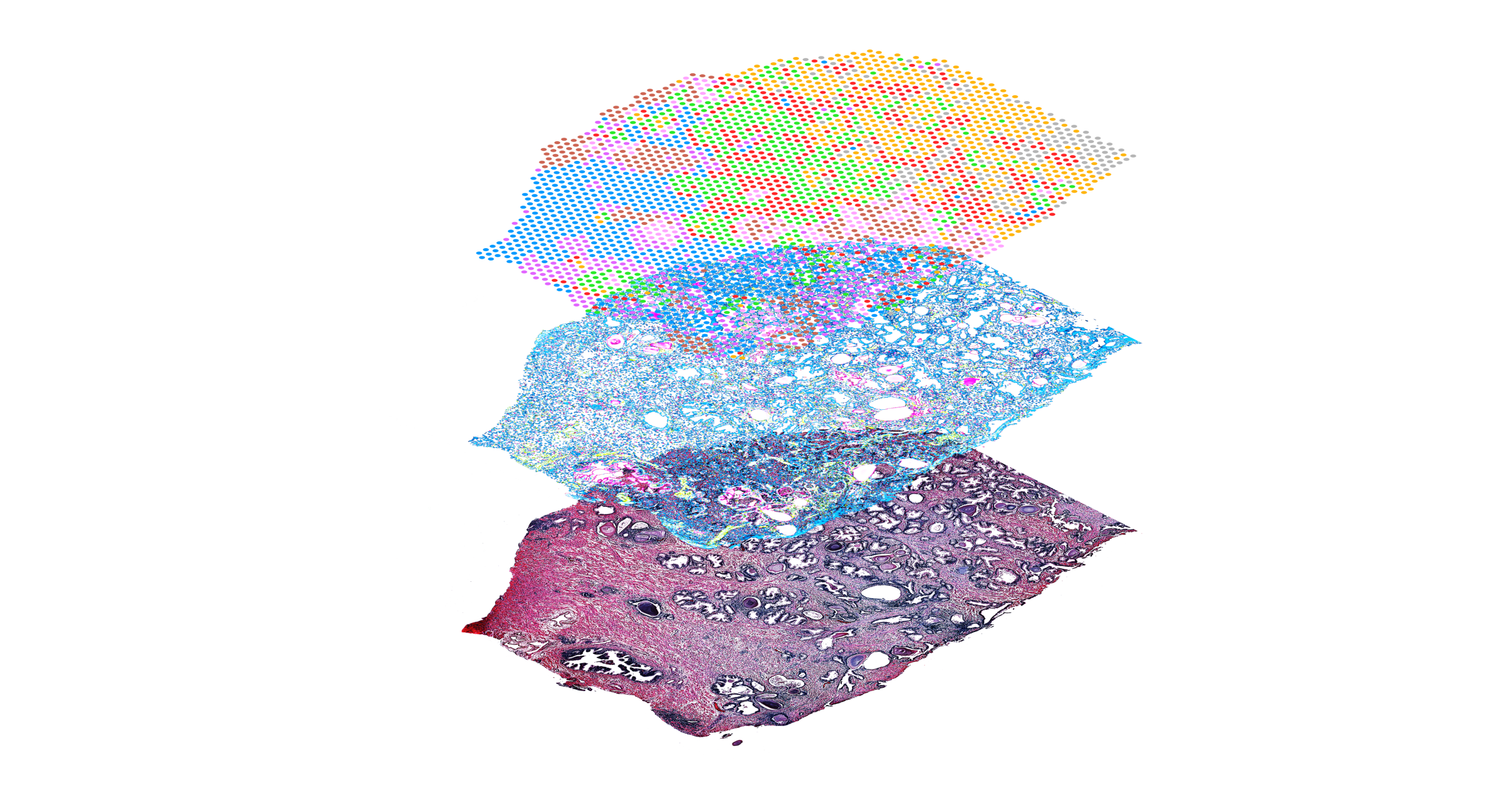
The List is Good, But Is the Map Better? Description: Single-nucleus sequencing gives you the "List" of cell types, but Spatial Transcriptomics gives you the "Map." Discover how combining these technologies creates a high-resolution "Precision Point," and how one automated platform can serve as the engine for both workflows.
 BlogPart 5
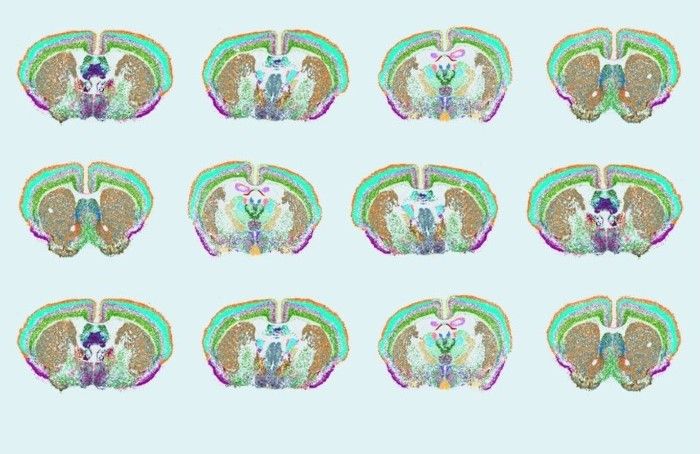
From the hidden world of glia to the final 3D atlas, the journey of modern neuroscience relies on one foundational step: sample preparation. We conclude our series by challenging researchers to prioritize clean, reproducible input to build the definitive map of the human brain.
 BlogPart 1
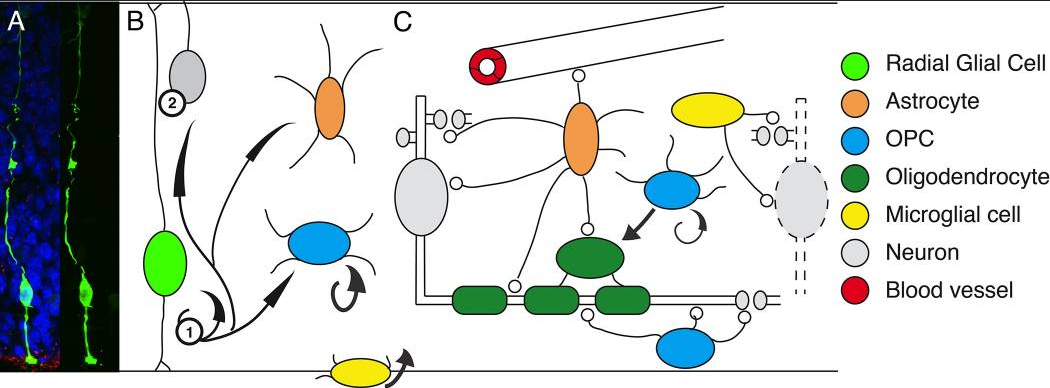
For a century, neuroscience focused exclusively on the neuron, dismissing glia as mere "packing peanuts." Discover how single-nucleus sequencing revealed the active, critical role of the brain's immune and support systems—and why this shift changes everything for Alzheimer's research.
 BlogPart 2
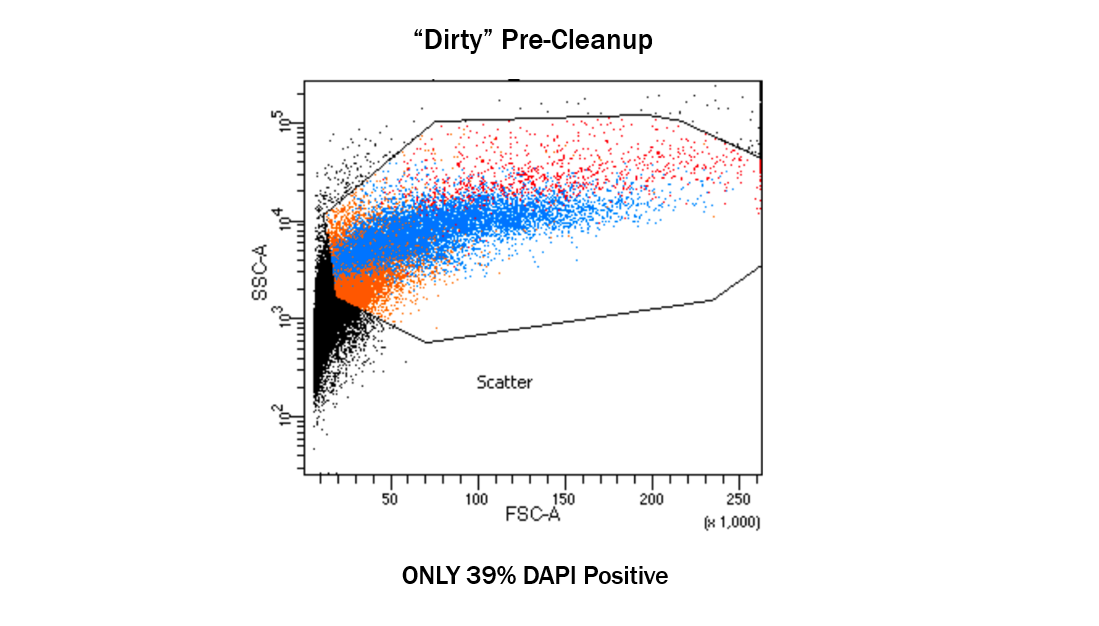
What is Ruining Your Frozen Experiments? Description: Every great story needs a villain. In frozen brain tissue processing, that villain is myelin debris. Learn how lipid contamination clogs microfluidics and ruins data, and see how the Singulator’s automated Protocol DP0006 neutralizes this threat to unlock biobank archives.
Our scientific team can help you match the right instrument and workflow to your research.
Contact Us