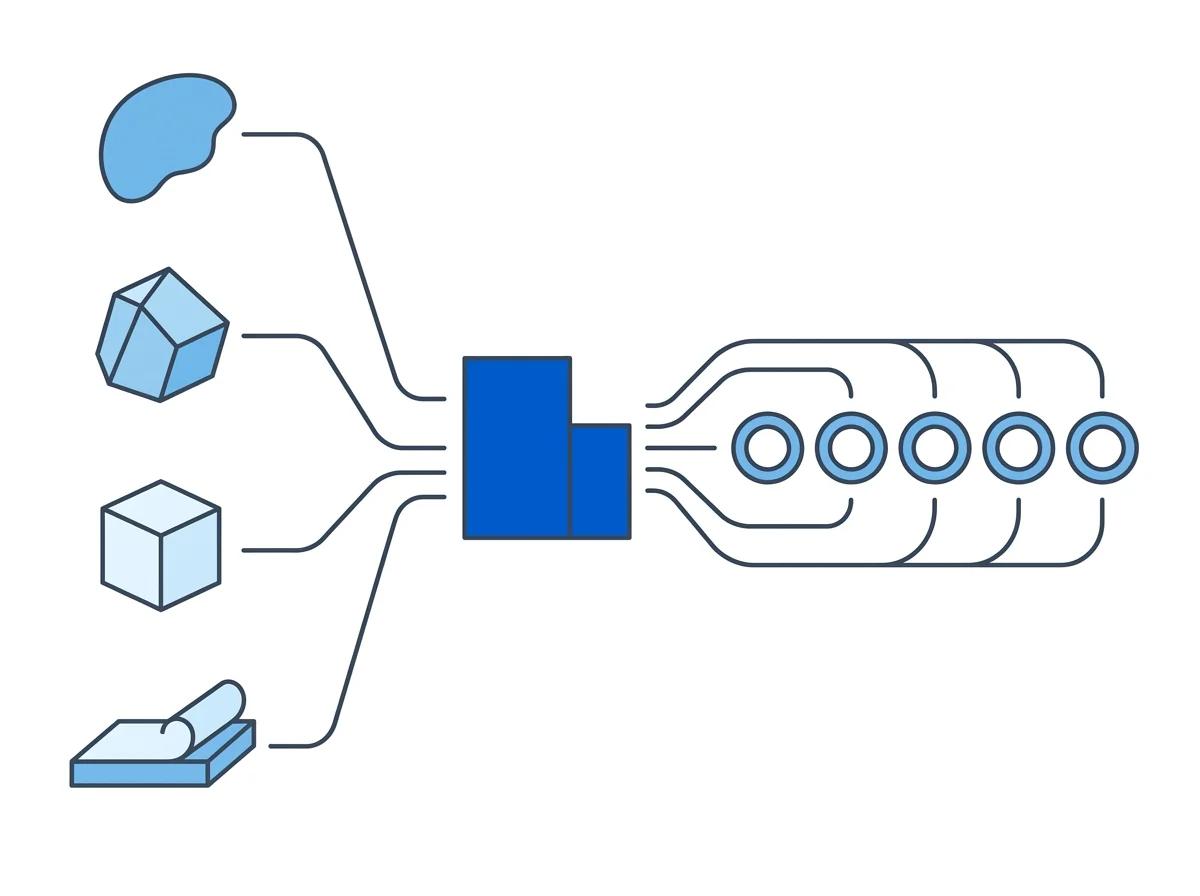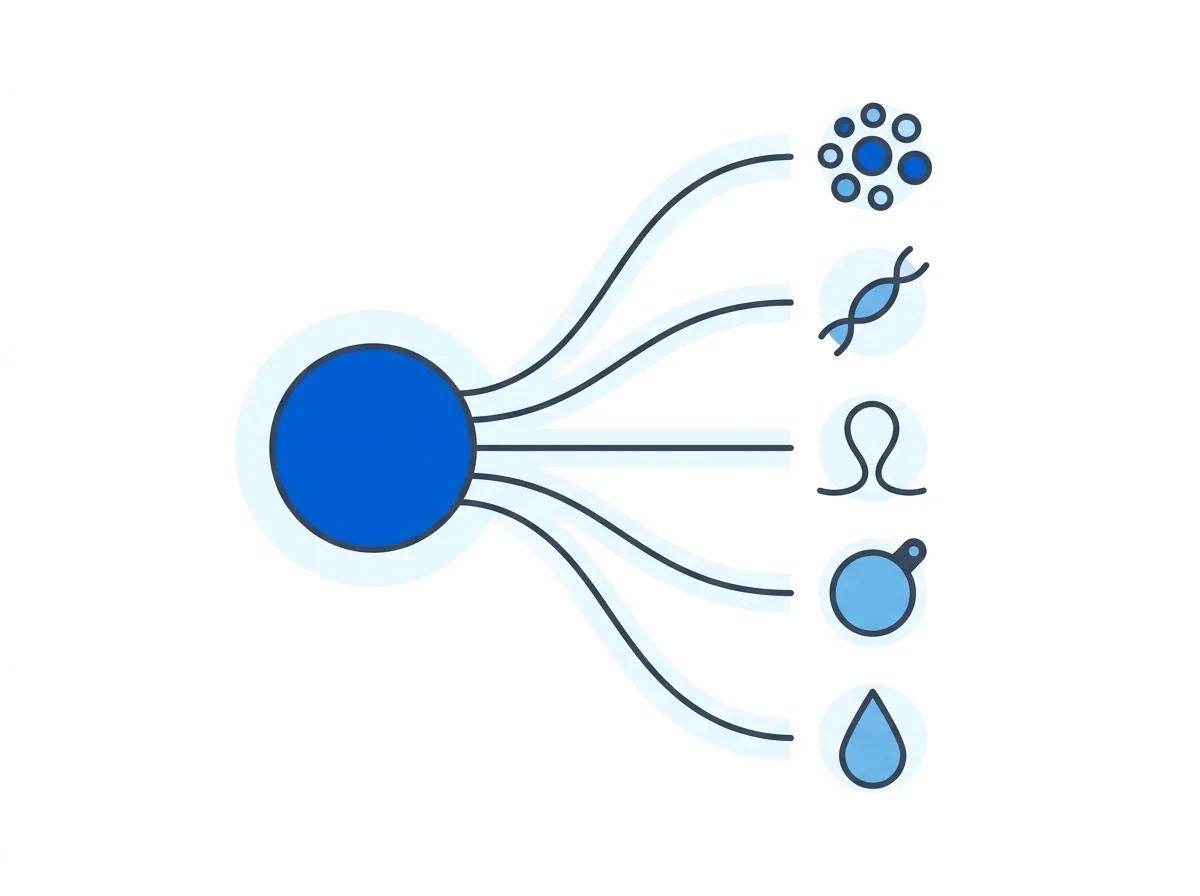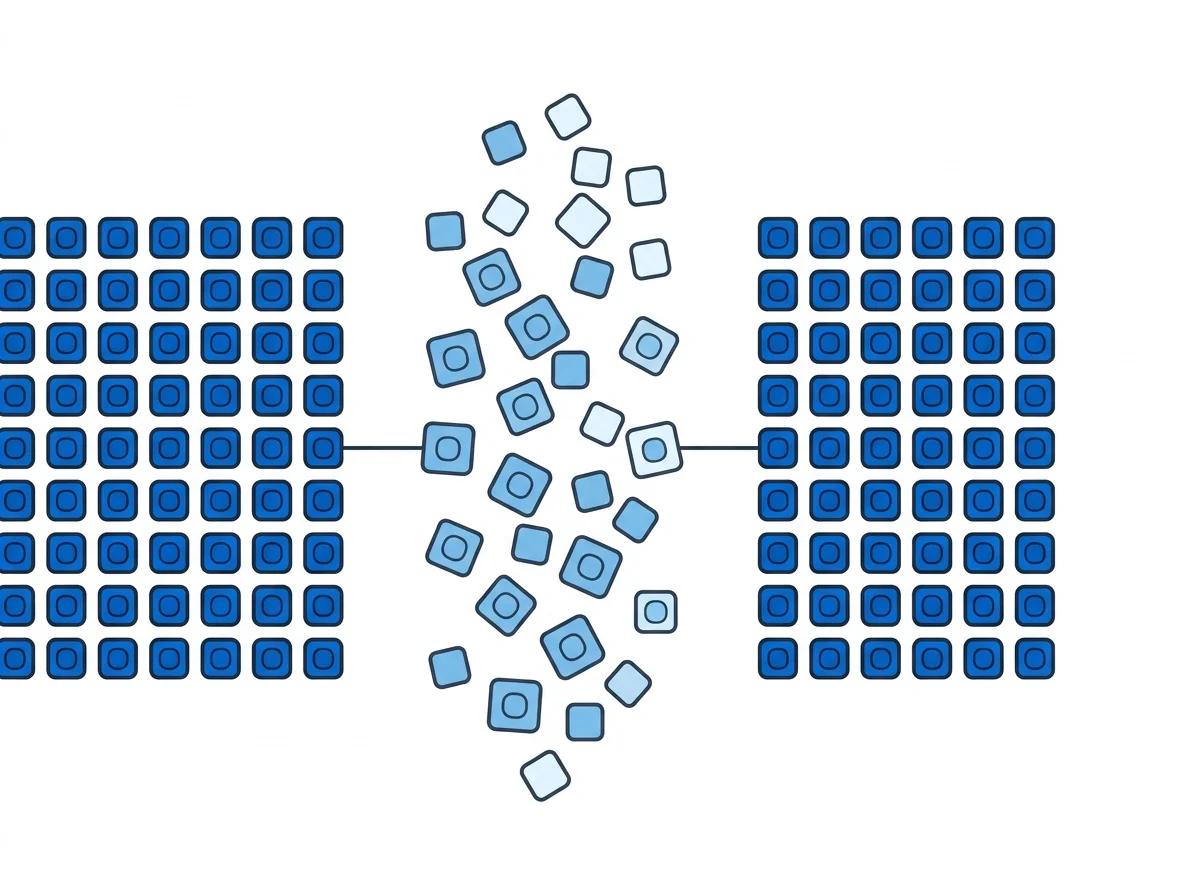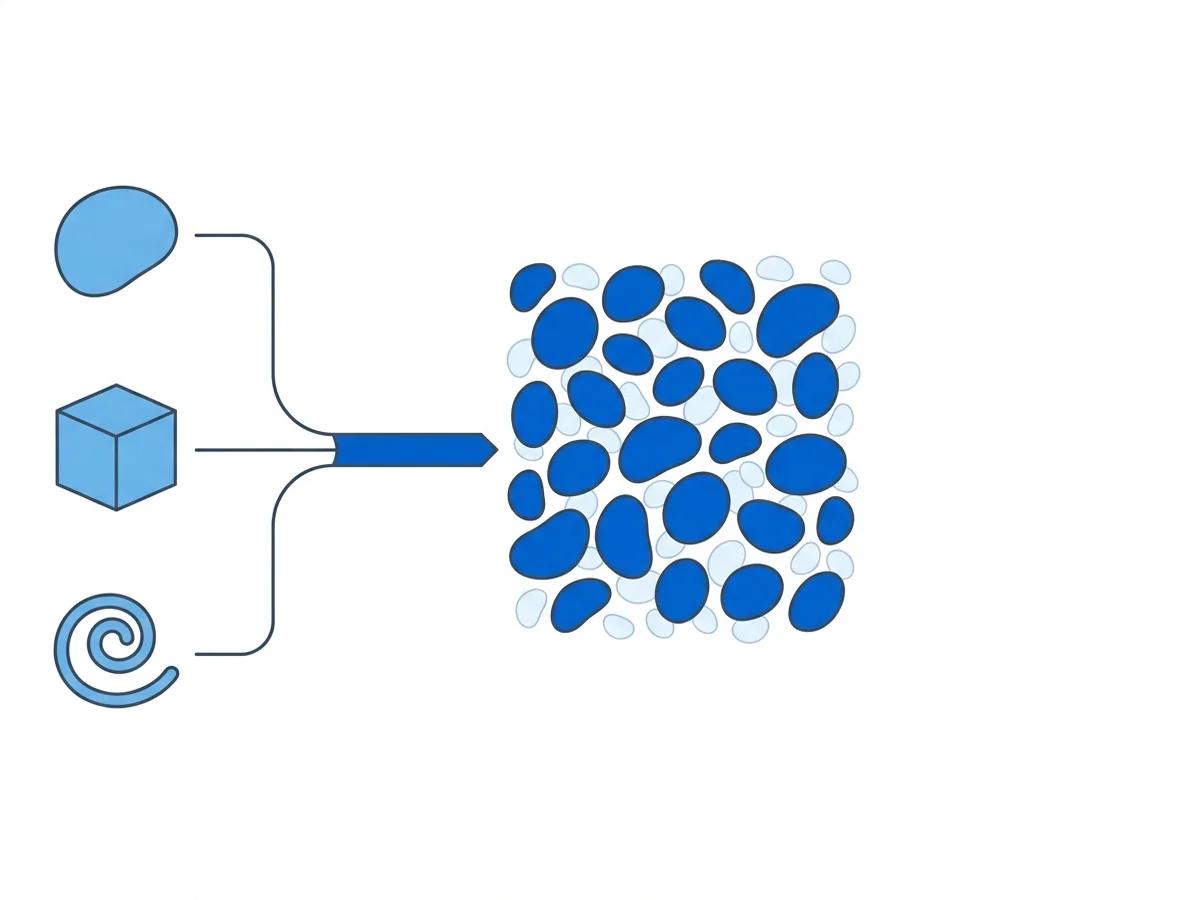
Will one instrument really standardize prep across every operator you have?
Two questions come up in every core that weighs this: our senior tech already gets clean prep, and won't we get locked into one vendor's protocols. Both are fair. Here is the honest answer to each.
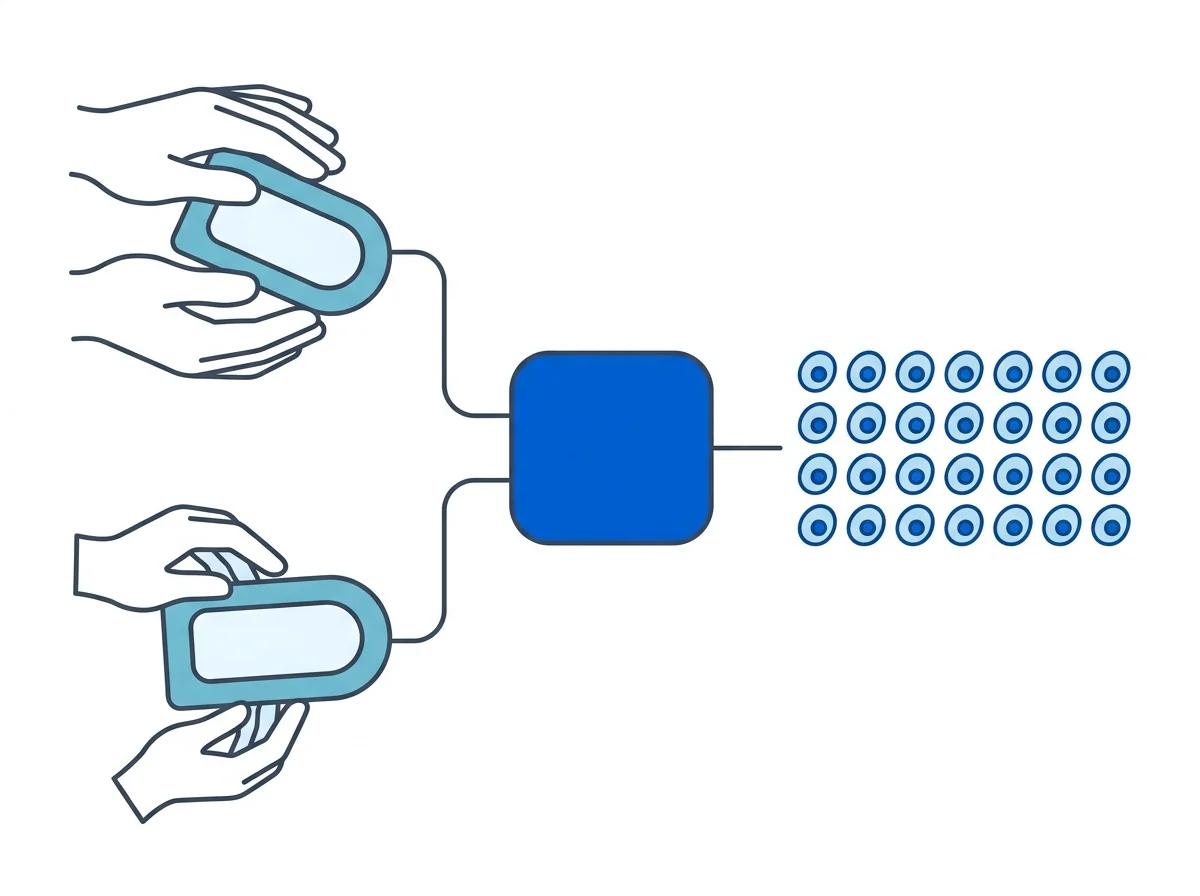
- Standardization makes your data resilient. The Singulator encodes your expert's standard into a software-controlled protocol that runs the same way whoever loads the cartridge, so your data holds when that person is on vacation, at a conference, or has moved on.
- It is software-controlled, not software-locked. Validated protocols live in the instrument and stay updatable and yours; the open reagent platform lets you bring your own reagents or automate an optimized manual workflow you already trust.
- The number that matters is all-in cost per usable sample. With the lowest published sample-to-sample variability of any compared nuclei method (Kersey et al., 2026), one avoided downstream failure pays for many cartridges.
- It is resilience, not deskilling. The expert still validates the method and reads the edge cases; what changes is that the standard no longer walks out the door when they do.
Yes, for the part of prep variability that depends on who is at the bench. The Singulator runs software-controlled protocols on enclosed single-use cartridges, so timing, force, temperature, and chemistry are the same on every run, whoever loads it.
Sample-to-sample biology still varies, and no instrument changes that. The protocols stay yours to run and to update, and the platform takes your own reagents. Two questions come up in every core that weighs standardizing single-cell sample prep on one instrument, and both deserve a straight answer rather than a brochure line.
"Our senior tech already nails it. Why automate?"
They do get excellent results, and the Singulator exists to protect that standard. The exposure shows up the day your best person is on vacation, at a conference, or has left, and a newer hire runs a sample a PI has already committed to.
In a shared core, prep quality cannot depend on which pair of hands is free that morning. The Singulator encodes the expert's standard into a software-controlled protocol: the same timing, force, temperature, and enzyme-free chemistry on every run. The senior scientist and the rotating new hire produce comparable prep quality, so onboarding is faster, a departure costs you less, and the core can stand behind its data across people, shifts, and instruments.
That is resilience, not deskilling. The expert still validates the method and reads the result. What changes is that the standard no longer walks out the door when they do.
The workflow change is concrete, not abstract. A standardized run on the Singulator collapses a manual dissociation that takes roughly 15 hands-on steps down to 2, about 81% less hands-on time. The judgment a manual prep depends on at each of those steps is exactly where two operators drift apart; removing the steps removes the drift.
In a published head-to-head, nuclei prepared on the Singulator were ~100% structurally intact versus ~85% for a manual sucrose-gradient prep and ~35% for a column kit (frozen mouse cortex; Kersey et al., 2026). The same prep gave the lowest sample-to-sample variability of any method compared and <0.5% mitochondrial reads. In a separate replicate test, two Singulator runs returned identical yield (1.0M / 1.0M) where a manual workflow swung close to four-fold (1.5M / 0.4M; n=4, single mouse PDAC block).
"Won't we get locked into your protocols and cartridges?"
Software-controlled means consistent and updatable, not closed. The validated protocols live in the instrument, and they stay yours to run and to adjust. The platform is an open reagent system: you can bring your own reagents or automate an optimized manual workflow you already trust.
The single-use cartridge model is the category standard: labs already run on 10x Chromium chips and BD Rhapsody cartridges. Size the consumable question on all-in cost per usable sample, which folds in the cost of the failed runs you avoid. Cartridge cost per run is the wrong number to anchor on.
That is where the standardization data pays off. With the lowest published sample-to-sample variability of any compared nuclei method, fewer samples fail downstream, and one avoided sequencing-run failure covers a lot of cartridges. The output stays platform-agnostic on the way out too: cells or nuclei feed directly into 10x Chromium and Flex, BD Rhapsody, Parse Evercode, Visium HD, and Xenium. You standardize the front end and keep the back end open.
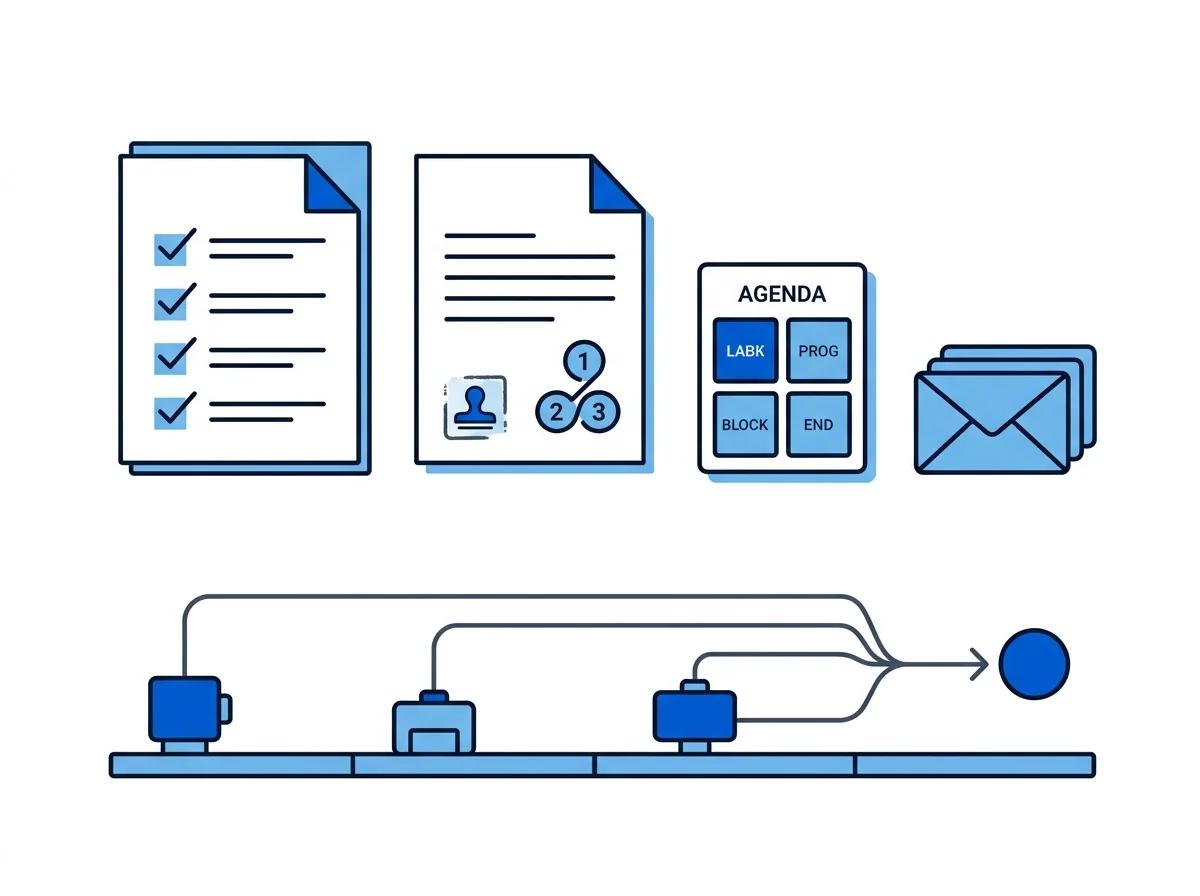
Every run writes a native digital log, so the method documents itself. That exportable record is built for the SOPs, IRB files, S10 instrumentation grants, and NIH Data Management and Sharing Plan that a shared resource has to satisfy anyway. The standard you set is the standard you can prove.
Related questions
Can one instrument really handle every sample type our core sees?
One walk-up workflow family covers cells or nuclei across fresh, frozen, OCT, and FFPE tissue, validated across a broad range of tissue types. The single instrument handles FFPE on equal footing with fresh and frozen, in the same workflow. The versatility spoke covers the full intake range in depth.
What about block-to-block or sample-to-sample biology the instrument cannot control?
That variability is real, and no instrument erases it. What the Singulator removes is the operator-added layer on top: handling, timing, technique. For severely degraded archival material, the sensible move is a quick block-quality check before committing a precious curl, and PCS applications can help set those criteria.
What to do if this is your concern
The fastest way to settle both questions is to talk them through with a PCS specialist against the tissue and operators your core actually runs. Work through:
- How the software-controlled protocol holds prep quality across your operators, against your current best-hands result.
- The native run log, so you know exactly what provenance you would be able to export for SOPs, IRB files, and S10 or NIH Data Management and Sharing Plan documentation.
- The reagent path that fits your core: stock protocols, your own reagents, or an optimized manual workflow you want to automate.
For the full SOP framework and a director-to-PI rollout template, the Core Director's Standardization Field Guide walks through it section by section, and the S10 business case shows how the run logs map to a study section's scoring. The frame for the whole core sits in the pillar: your intake queue changes every day, your prep quality shouldn't.