One core, every assay, one Singulator footprint
scRNA-seq one day, snRNA-seq the next, ATAC-seq, CITE-seq, and a FACS sort in the same week. A shared multi-omics core can feed all of them from a single automated sample-prep step, held to one standard of quality.
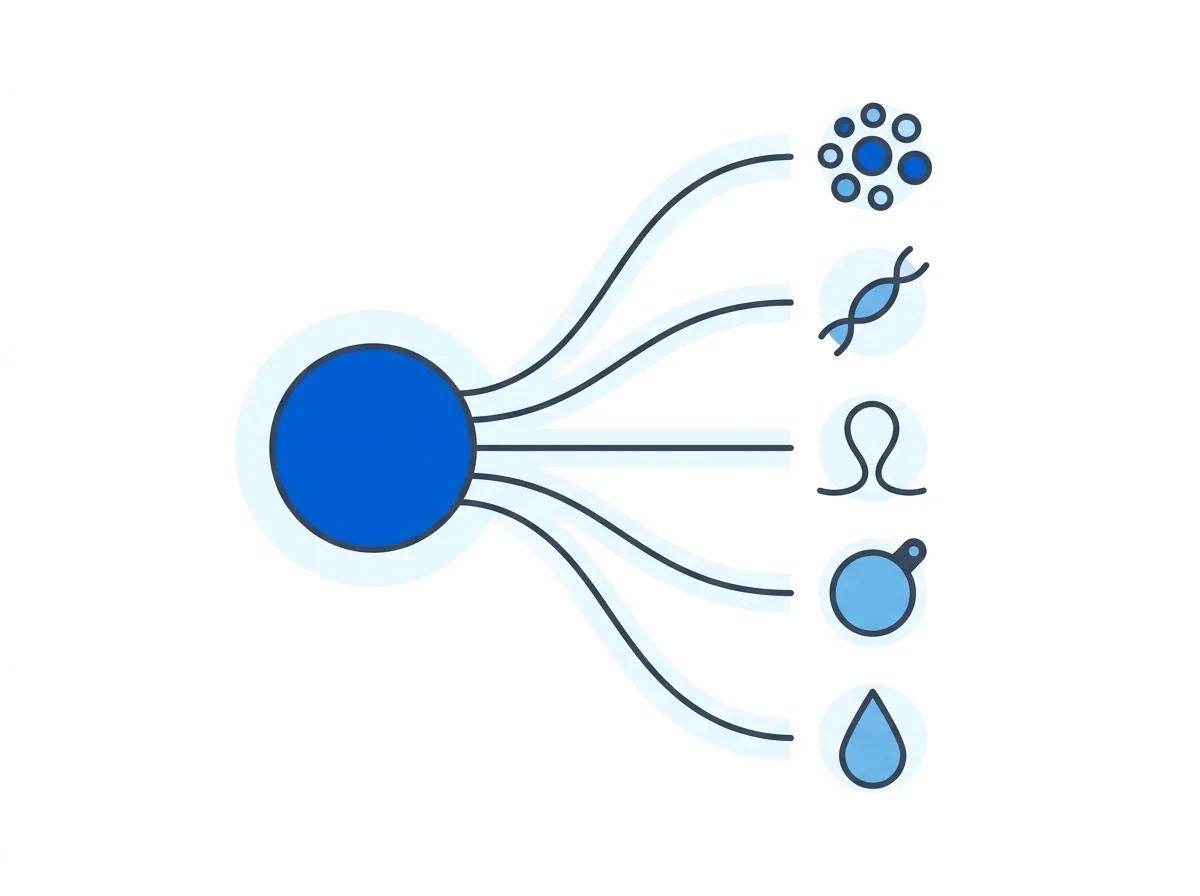
- One footprint feeds five different assays. The Yale Center for Genome Analysis (YCGA) runs scRNA-seq, snRNA-seq, ATAC-seq, CITE-seq, and FACS off a single Singulator footprint, so a shared core serves the whole menu from one bench.
- That is possible because one automated platform turns fresh, frozen, OCT, and FFPE tissue into either cells or nuclei on the same software-controlled workflow, across a broad range of validated tissue types.
- Running every assay off one prep means a single standard of quality across the whole menu — the same timing, force, temperature, and chemistry on every run, whoever is at the bench.
- The quality is measurable. Head-to-head nuclei data show roughly 100% structurally intact nuclei with the lowest sample-to-sample variability of any compared method, and published multi-omics work resolved cell-type detail that one modality alone could not.
A shared single-cell core is not one workflow. It is a dozen, running side by side. One PI wants a cell suspension off fresh tumor for scRNA-seq. The next needs nuclei from frozen cortex because the cells will not survive dissociation. A third is building a CITE-seq panel, a fourth wants a clean FACS sort, and a fifth has been waiting months for the core to say yes to an ATAC-seq request.
Each of those assays has its own downstream chemistry. The question that decides whether the core can serve all of them is the same in every case: can you put a consistent, high-quality input in front of each one, from whatever tissue walks in?
That is a real constraint, and it usually pushes a core toward a wall of methods. A rotor-stator dissociator for cells. A sucrose-gradient or column protocol for nuclei. A separate, manual, fume-hood path for anything archival. Each method has its own SOP, its own failure modes, and its own dependence on which person ran it. The breadth a multi-omics core is supposed to offer turns into a maintenance burden, and the assays at the edge of the menu — the ATAC-seq request, the precious biopsy, the FFPE block — are the ones that quietly get declined.
What one footprint actually looks like
There is a more direct way to build the front end, and it is already in use at the institutional level. A core can run a single automated sample-prep instrument and feed every assay on its menu from it.
The Yale Center for Genome Analysis runs the Singulator as the sample-preparation platform feeding its single-cell and multi-omics services — one footprint supporting:
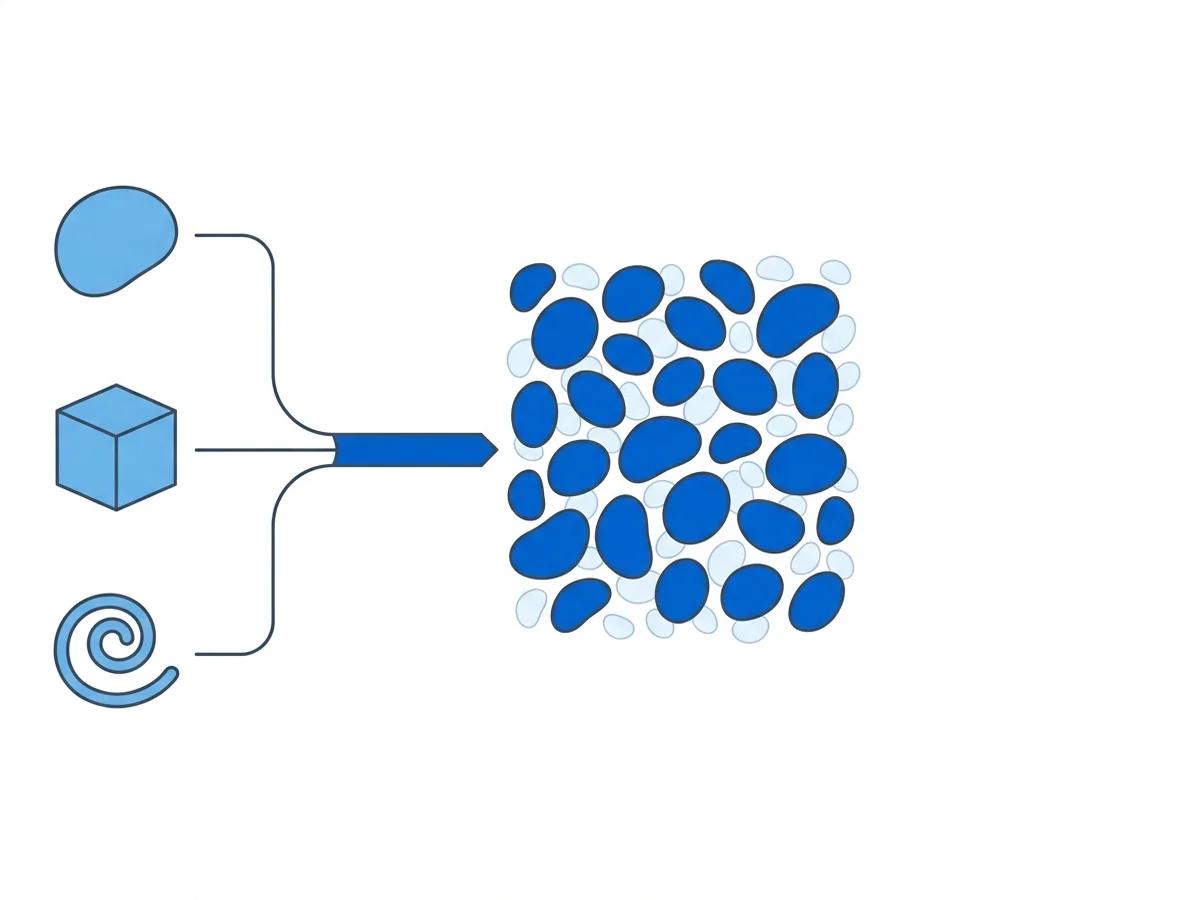
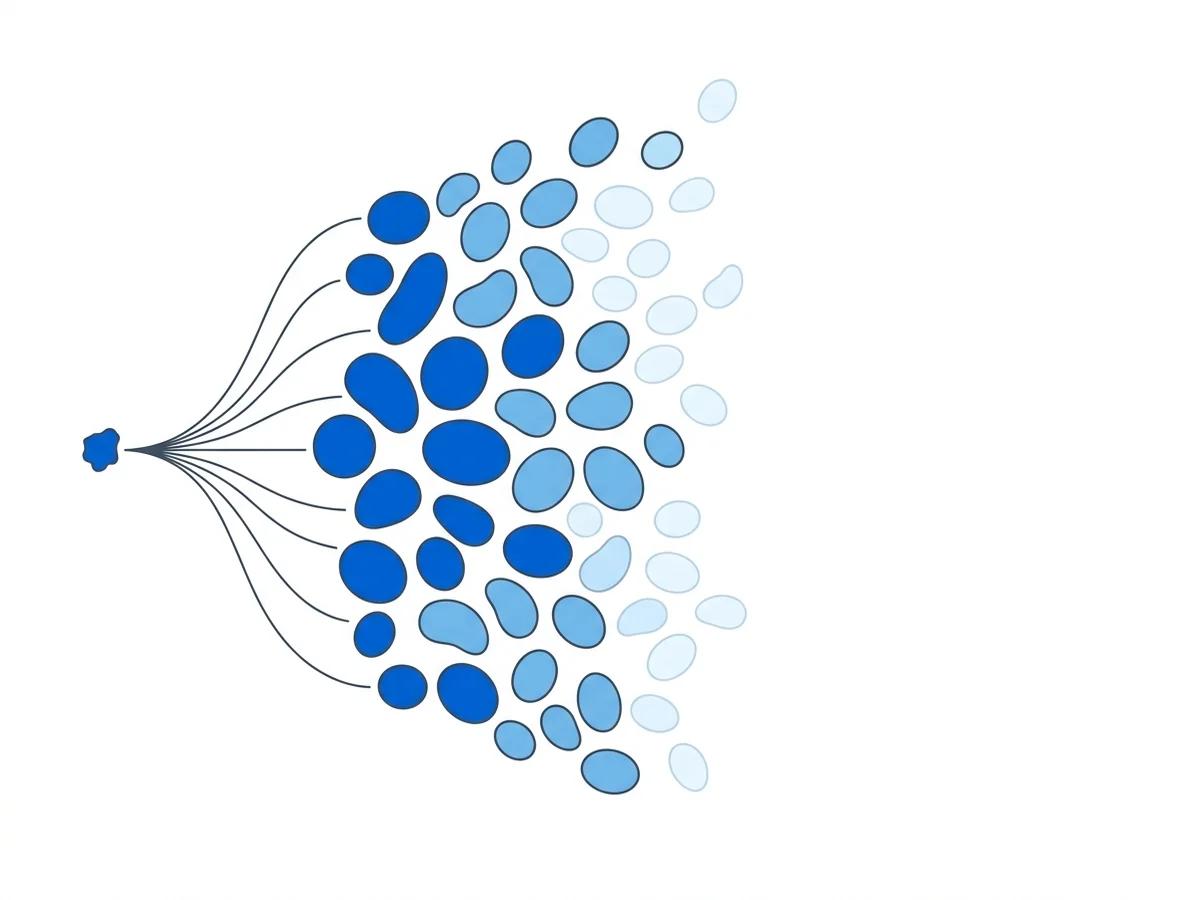
Read that list as a workflow diagram. It is the same physical prep step branching into five different downstream methods. The core does not maintain five front ends. It maintains one, and that one produces the input each assay needs: cells where the protocol wants cells, nuclei where the tissue or the chemistry demands nuclei.
Why one prep can serve assays that want opposite things
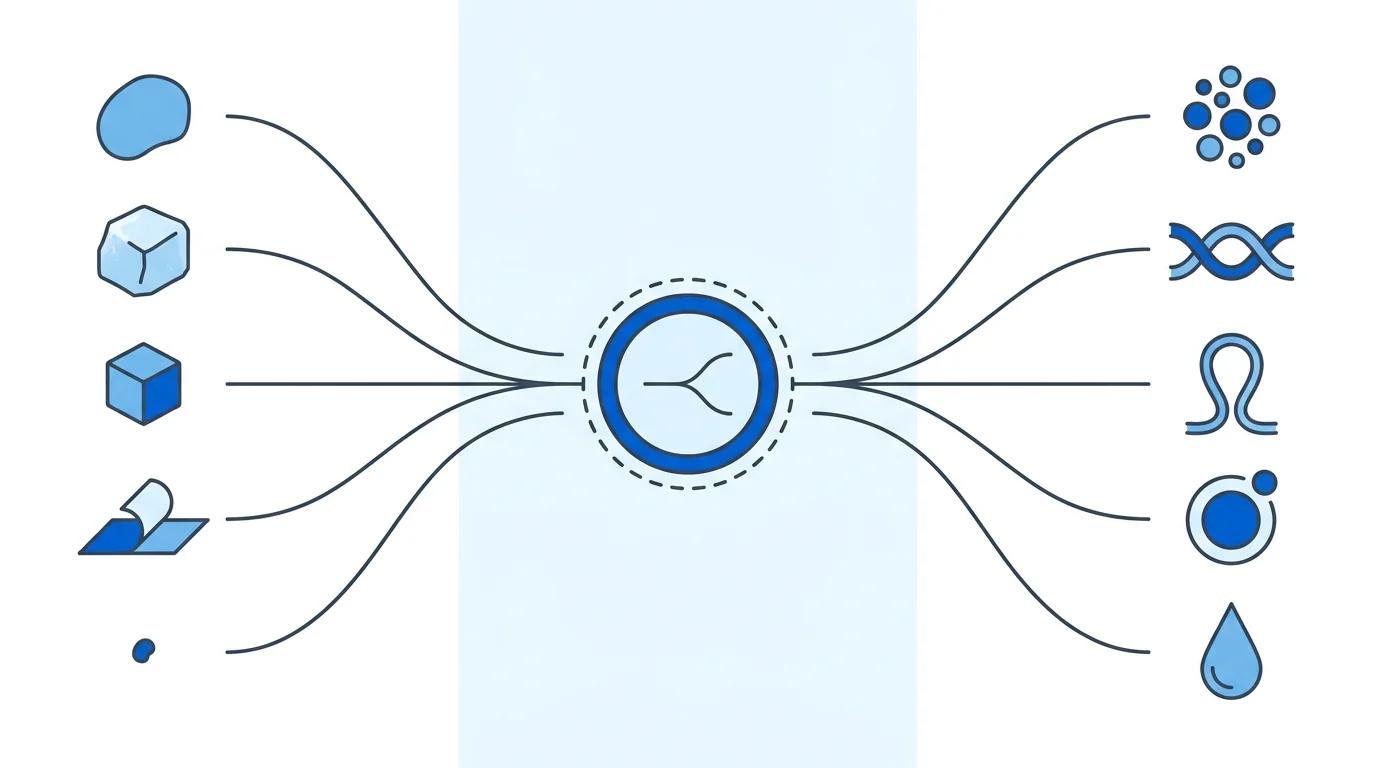
The reason one instrument can stand in front of five methods is that those methods do not actually need five different prep philosophies. They need two outputs — cells or nuclei — produced consistently. The Singulator makes both on one software-controlled workflow, and it does it across the range of tissue a core cannot predict from one week to the next.
scRNA-seq, CITE-seq, FACS
A clean single-cell suspension off fresh tissue, with cold, gentle chemistry that preserves fragile and rare populations for sorting and surface-marker work.
snRNA-seq, ATAC-seq
High-integrity nuclei from frozen, OCT, or archival tissue, where the cells will not survive dissociation and the assay reads chromatin or nuclear RNA.
The whole intake queue
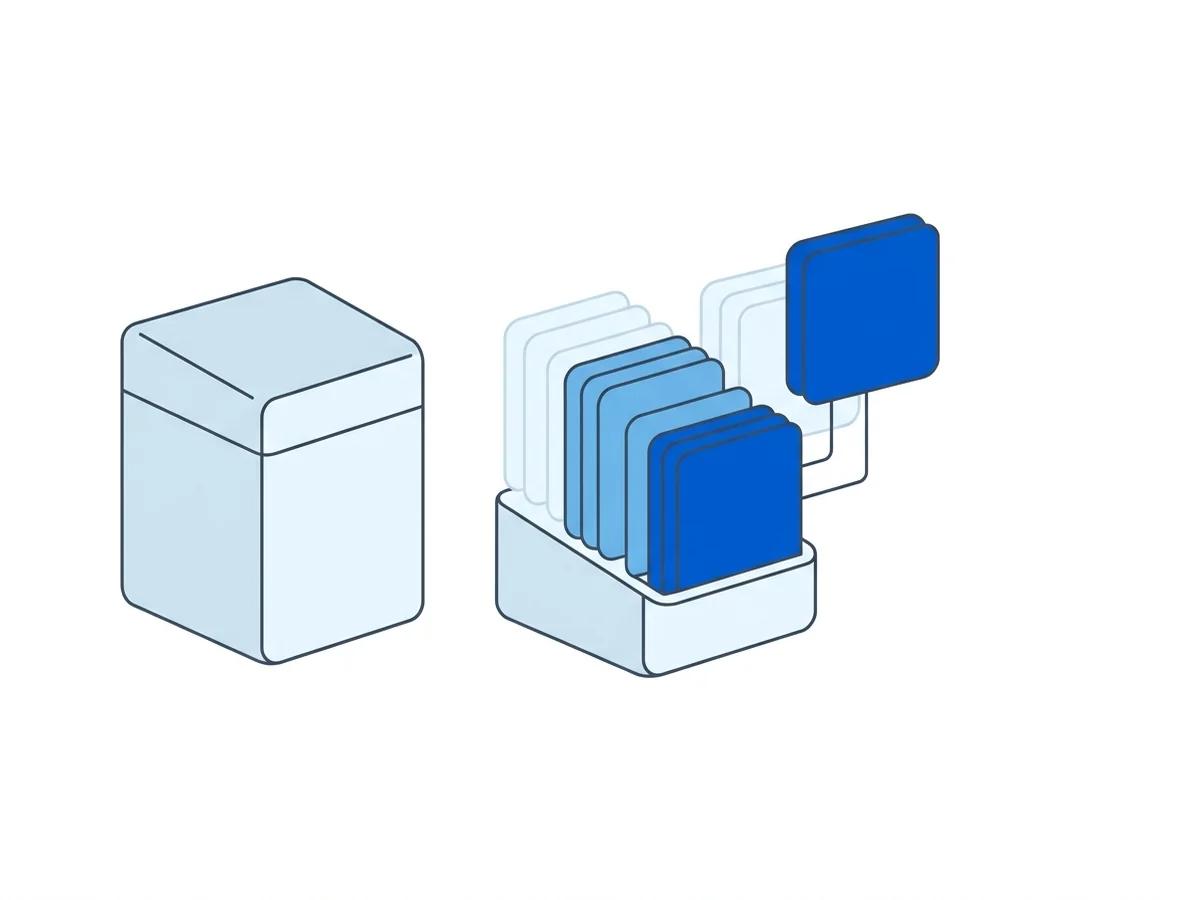
Fresh, frozen, OCT, and FFPE on one platform family, down to inputs as small as 2 mg, so the core says yes to the request instead of declining the hard ones.
This is the point where breadth and standardization stop competing. With a wall of manual methods, every new assay you add is another SOP to maintain and another way for the result to track the operator instead of the sample. With one automated step, adding an assay downstream does not add a prep to babysit. The front end is already consistent, so the core can extend its menu without diluting its quality. That is the through-line of this whole series: the variability that usually drifts with whoever is at the bench moves into the instrument, where it holds still. The variable middle becomes the steady one, for every assay at once.
Add an assay downstream and you do not add a prep to babysit. The front end is already consistent.
The quality holds, and it is measurable
A capability list is only worth as much as the data behind it. The reason a core can run snRNA-seq and ATAC-seq off the same nuclei prep, and trust the result, is that the nuclei come out intact and clean enough for both. That has been measured directly, by an independent group, against the alternatives a core would otherwise use.
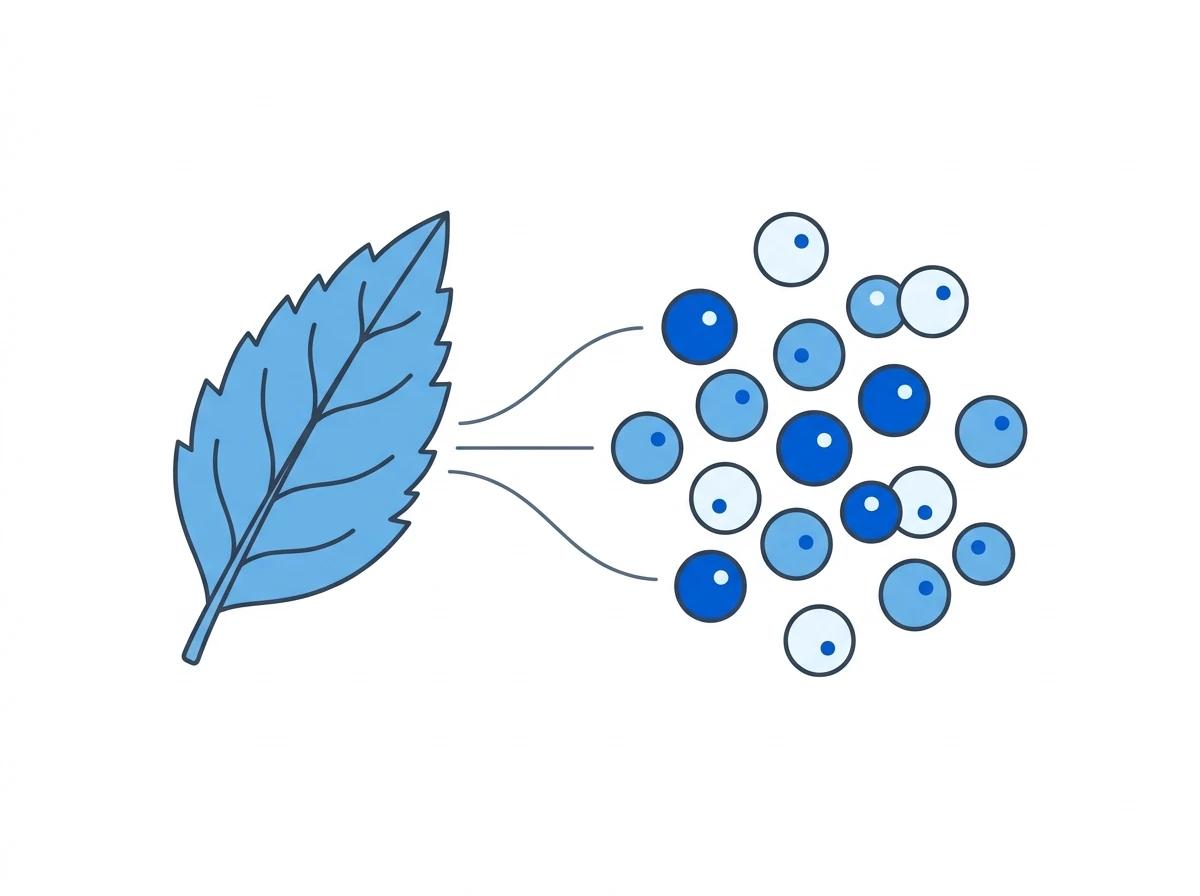
In a published comparison of nuclei isolation methods on frozen mouse cortex, the Singulator-prepared nuclei held up where the common alternatives did not.
Integrity and low contamination are exactly what an ATAC-seq or snRNA-seq core cares about, because damaged nuclei and ambient signal are what a bioinformatician spends downstream effort trying to rescue. Setting that quality upstream, on the same prep that also feeds the RNA assays, is what makes one footprint credible rather than just convenient (Kersey et al., 2026; Singulator 100, frozen mouse cortex).
The multi-omics case has independent published support too. In work from a single-cell genomics lab (Haviv et al., 2024, Nature Biotechnology), Singulator-derived single-nucleus RNA-seq identified the same major cell types as matched spatial data and resolved immune-cell differences that the spatial modality alone could not. That is the multi-omics promise stated as a result: two methods, fed from the same prep, each contributing what the other misses, and the combined picture sharper than either one.
None of this requires the core to fabricate a number or take a vendor's word for it. The integrity data is third-party and peer-reviewed. The multi-omics result is published. The capability list is a working core's own account of how it runs. Together they answer the only question that matters when a director is deciding whether one instrument can really sit in front of the whole menu: does the quality hold across assays, or does consolidating the front end cost you something downstream? The evidence says it holds.
What this changes for the core
The practical shift is in what the core can offer without growing its method count. Instead of one front end per assay, with the training, drift, and maintenance each one carries, the core runs a single automated prep and lets the downstream methods branch off it. New requests at the edge of the menu stop being special cases that need a new protocol: the ATAC-seq the core kept declining, the precious biopsy, the archival block. Each becomes one more thing the existing front end already handles.
It also changes who carries the standard. When every assay traces back to one software-controlled step, the core's reputation does not rest on which technician happened to run the prep that week. It rests on the instrument, which runs the same way on every shift. That is the difference between a core that is as good as its current staff and one that is as good as its method, made concrete across five assays instead of one. The same versatility argument plays out sample type by sample type in the case for one platform across every sample your core sees, and the operator-consistency question is answered directly in whether one instrument can really standardize prep across every operator.
The intake queue still changes every day. A multi-omics core would not want it any other way. What does not have to change with it is the quality of the input feeding every assay on the menu. Your intake queue changes every day. Your prep quality shouldn't.