Automated Nuclei Isolation from Diverse Plant Tissues Using the Singulator 200
Plant single-cell work has long been held back by the rigid cell wall and by slow, operator-dependent manual nuclei prep — this University of Minnesota Genomics Center study shows the Singulator 200 automating that isolation into a standardized workflow across diverse plant species and tissues.
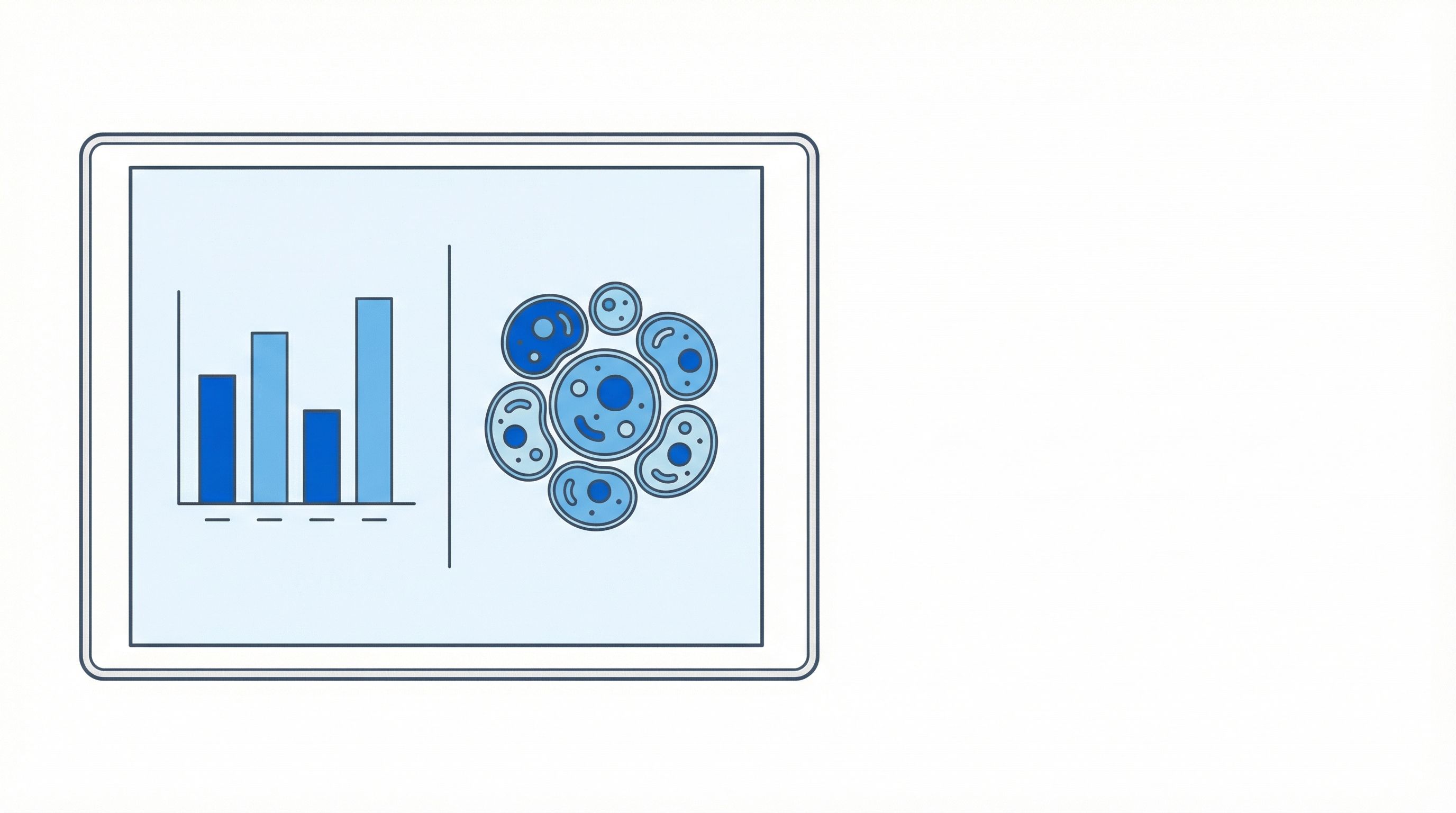
A University of Minnesota Genomics Center team evaluated the Singulator 200 for automated, standardized single-nucleus isolation across pennycress, soybean, corn, and tobacco — from leaf, root, and flower tissue, using just 50–150 mg of input. Frozen leaf tissue yielded results comparable to fresh, confirming the workflow for stored and field-collected samples and producing nuclei suitable for downstream 10x Genomics snRNA-seq. The note also reports candidly where the method excelled (soft flowers and standard leaves) and where recalcitrant tissues such as corn leaf and soybean needed further optimization.
Read or download to see:
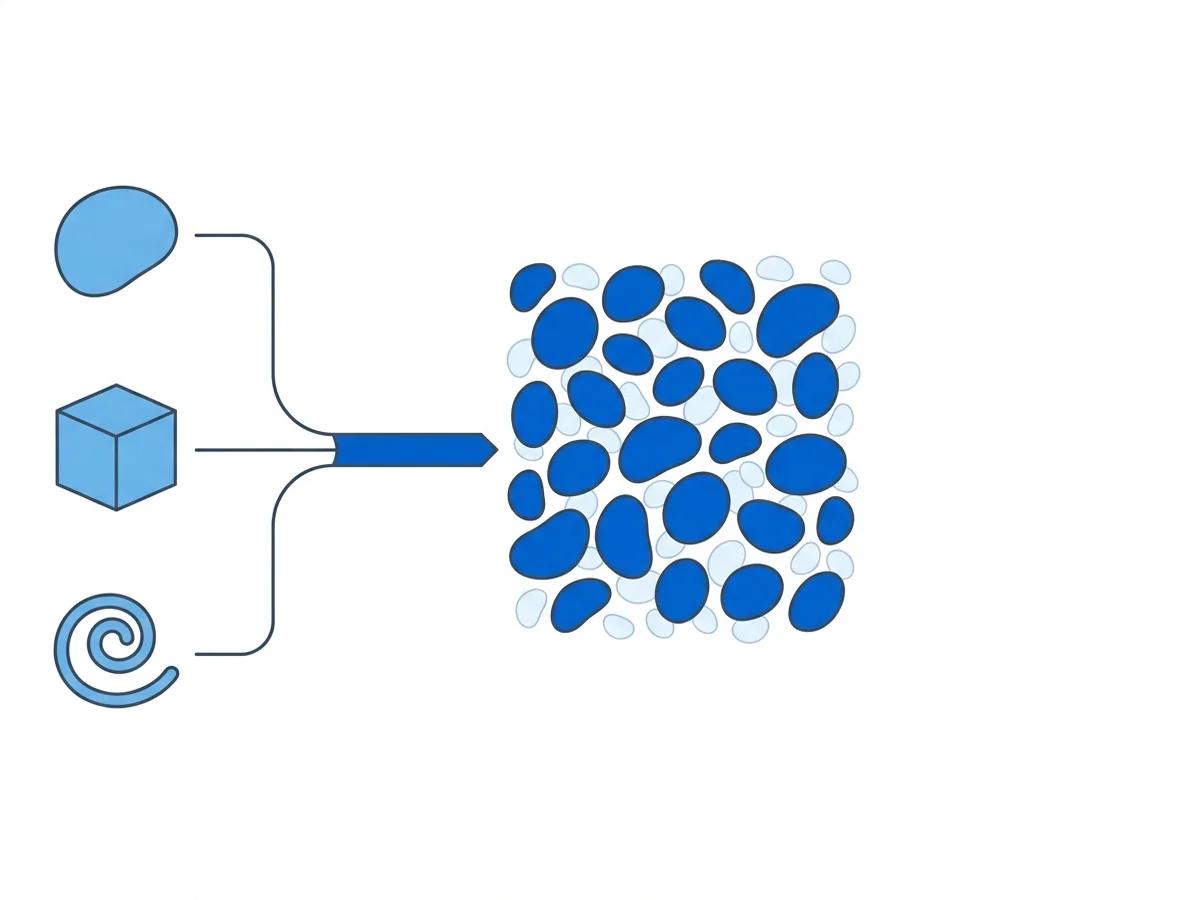
- Four species, three tissue types, fresh and frozen — how the automated workflow was evaluated across pennycress, soybean, corn, and tobacco, spanning leaf, root, and flower tissue.
- Frozen tissue matched fresh — pennycress leaf yielded 7.00 × 10⁵ nuclei from frozen versus 6.57 × 10⁵ from fresh at 50 mg, showing freezing did not compromise recovery and validating the workflow for stored and field-collected samples.
- Only 50–150 mg of input tissue — the Singulator method needs far less starting material than conventional protocols, making it well suited to rare or developmentally restricted samples.
- Automated mechanical disruption and filtration — the Singulator 200 automates the disruption and filtration steps that are otherwise tedious, low-throughput, and highly operator-dependent, standardizing a step that drives batch effects between operators.
- Yield tuned to tissue type — soft pennycress flowers scaled nearly 5-fold from 50 to 150 mg (1.41 × 10⁶ to 6.91 × 10⁶ nuclei), while tougher, fibrous tissues such as corn leaf and root recovered fewer nuclei — with practical recommendations for each.
- Nuclei ready for 10x Genomics snRNA-seq — AO/PI-stained, LUNA-FX7-counted preparations suitable for downstream single-cell applications such as 10x Genomics snRNA-seq on the Chromium platform.