Brain Tumor FFPE Processing: From Surgical Resection to Single-Nucleus Insights
Why brain tumor tissue is different from everything else in neuro-oncology FFPE
A neuropathologist sends a glioblastoma resection block to the research lab. The tissue was excised at 9 AM, sat in a specimen container for two hours while the surgeon finished the case, went to fixation sometime before lunch, and was embedded in paraffin the next day. Nobody documented the warm ischemia time. The block contains tumor core with extensive necrosis on one side, infiltrating tumor margin with normal brain parenchyma on the other, and an immune infiltrate that varies by region.
This is the reality of brain tumor FFPE tissue. Unlike postmortem brain samples where the primary variables are postmortem interval and fixation duration, surgical resection tissue introduces warm ischemia, intraoperative handling variability, and tissue heterogeneity that reflects the biology of the tumor itself. The cancer cells, immune infiltrate, stromal components, and residual normal brain tissue all coexist in the same block -- and they all respond differently to nuclei extraction.
Manual FFPE processing makes this harder. Harsh trituration breaks fragile cancer stem-like cells and vascular endothelial populations while robust tumor-associated macrophages survive. The resulting snRNA-seq data shows an immune-dominated profile that may not reflect the actual tumor composition. For researchers trying to understand treatment resistance, subclonal evolution, or the tumor-immune interface, that bias distorts the biology under investigation.
TL;DR -- Brain tumor FFPE processing essentials
- The Singulator 200+ processes brain tumor FFPE from surgical resections, biopsies, and clinical trial biobanks
- Controlled cartridge-based extraction preserves fragile cancer cell and stromal populations that manual methods destroy
- Variable fixation from surgical logistics (warm ischemia, delayed fixation) is handled by the standardized two-cartridge workflow
- Tumor core vs. margin sections can be processed separately to map spatial heterogeneity at single-nucleus resolution
- Validated for 10x Flex and PERFF-seq, with snRNA-seq data serving as companion to Xenium spatial analysis -- enabling paired tumor microenvironment analysis
Process brain tumor FFPE with the biology intact
From surgical resection to single-nucleus data -- practical strategies for handling the heterogeneity, fixation variability, and cellular complexity of brain tumor specimens.
Handle surgical resection fixation variability Handle the fixation variability that surgical resection introduces
Postmortem brain tissue has a known postmortem interval and a documented fixation protocol. Surgical resection tissue does not. The time between excision and fixation depends on operating room logistics -- how long the specimen sits in a container on the back table, when someone walks it to pathology, whether it arrives at 4 PM on a Friday. These variables directly affect nuclei quality, and they are rarely recorded in the clinical record.
Warm ischemia and delayed fixation
Warm ischemia begins the moment the surgeon cuts the tissue and ends when formalin reaches the cells. For most brain tumor resections, this window runs between 30 minutes and 4 hours. Smaller biopsy fragments fixate faster because formalin penetrates thin tissue quickly. Large en bloc resections may have a gradient -- the surface is fixed while the core remains unfixed for hours.
Overfixation creates the opposite problem. Some pathology departments place tissue in formalin Friday afternoon and do not process it until Monday morning, resulting in 60+ hours of fixation. Heavily cross-linked tissue is harder to dissociate and yields nuclei with more fragmented RNA.
If you have any influence over tissue handling upstream, ask the surgical team to record three timestamps: excision time, time to formalin, and time from formalin to processing. These three numbers predict nuclei quality better than any other variable. When blocks arrive without this information -- as they often do -- run a DV200 check on a thin test section before committing your primary curls.
Why standardized extraction matters more for surgical tissue
When the input is variable, the processing must be constant. Manual protocols compound fixation variability with operator variability -- a technician adjusting trituration force based on how "tough" the tissue feels introduces another uncontrolled variable on top of the unknown fixation history. The Singulator 200+ applies identical mechanical force, identical enzymatic conditions, and identical timing regardless of the block's history. The two-cartridge workflow -- GREEN for deparaffinization, then YELLOW NIC+ for nuclei isolation -- standardizes the one step in the pipeline that researchers can actually control.
For brain tumor blocks with unknown fixation histories, process a single curl first and assess nuclei yield and DV200 before committing additional tissue. The Singulator 200+ processes inputs as small as 2 mg or a single 50 um curl, so this pilot approach costs minimal tissue.
Preserve tumor heterogeneity and rare subpopulations Preserve the tumor heterogeneity that defines brain cancer biology
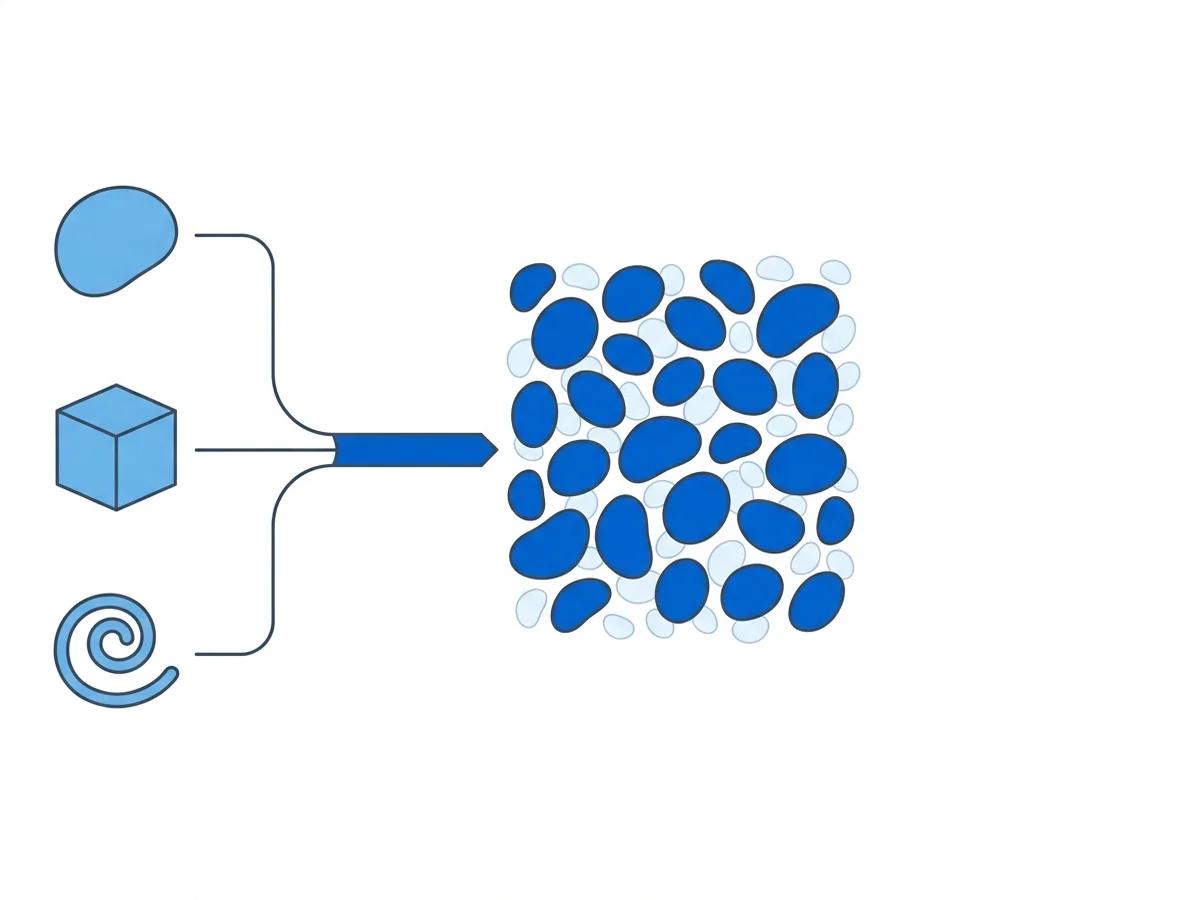
A glioblastoma is not one disease. Within a single resection block, there are proliferating cancer cells, quiescent cancer stem-like cells, reactive astrocytes, infiltrating immune populations, vascular endothelial cells, pericytes, and oligodendrocyte precursors trapped in the tumor margin. Each of these populations contributes to treatment resistance, recurrence patterns, and patient outcomes. Losing any of them during sample prep distorts the picture.
The cell-type bias problem
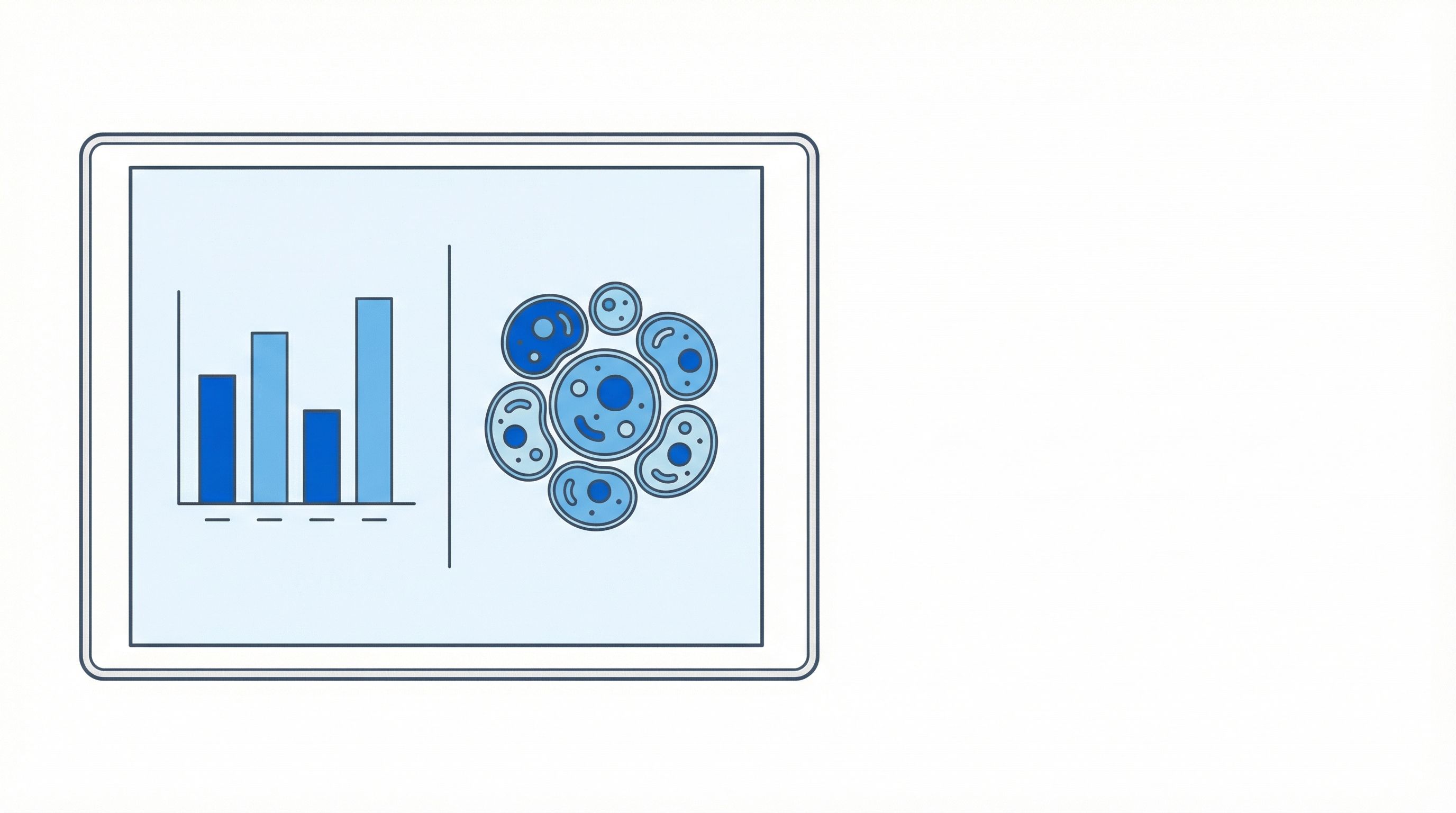
Manual FFPE trituration applies uniform force to a population with non-uniform fragility. Tumor-associated macrophages (TAMs) and microglia are mechanically robust -- they survive harsh processing and dominate snRNA-seq datasets. Cancer stem-like cells, which tend to be smaller and more fragile, are disproportionately destroyed. Vascular endothelial cells, critical for understanding tumor angiogenesis, are similarly vulnerable. The result is a dataset where the immune compartment is overrepresented and the cancer cell subpopulations driving resistance are underrepresented or missing entirely.
The Singulator 200+ uses controlled mechanical and enzymatic processing within sealed cartridges. Comparable FFPE studies showed the Singulator enriched for fragile attached cell types -- cancer cells and cancer-associated fibroblasts -- while semi-automated methods skewed toward immune populations. For brain tumors, this means the cancer stem-like cells, vascular components, and stromal populations that manual methods break are preserved in the final nuclei suspension.
Processing tumor core vs. infiltrating margin
The biological composition of a brain tumor changes across its spatial extent. The core typically contains dense cancer cell populations, extensive necrosis, and aberrant vasculature. The infiltrating margin -- where tumor cells invade normal brain parenchyma -- contains mixed populations of cancer cells, reactive astrocytes, and neurons. Processing core and margin sections separately on the Singulator 200+ generates two complementary datasets that, combined, reveal the full heterogeneity of the tumor.
Mark the block face before sectioning so you know which curls come from which region. If the block is small, a single curl may contain both core and margin tissue -- in that case, the regional information will come from downstream clustering and spatial validation rather than from pre-processing separation.
Glioblastoma cores frequently contain necrotic zones. Necrotic tissue yields fewer intact nuclei and more debris. If possible, avoid sectioning directly through large necrotic areas. The Singulator 200+ cartridge filters handle moderate necrotic debris, but heavily necrotic sections will produce lower yields compared to viable tumor regions.
Profile the immune microenvironment without bias Profile the immune microenvironment without introducing prep-driven bias
The tumor immune microenvironment in brain tumors is a central focus of neuro-oncology research. Whether tumor-associated macrophages are pro-tumorigenic or anti-tumorigenic, whether T cells have infiltrated the tumor or sit excluded at the margin, whether the microglia surrounding the tumor have adopted a disease-associated phenotype -- these questions drive immunotherapy strategies. The answers depend on getting an unbiased snapshot of the immune composition, and manual processing introduces systematic bias at the extraction step.
Microglia vs. infiltrating macrophages
Distinguishing resident microglia from bone marrow-derived macrophages that have infiltrated the tumor is one of the central questions in brain tumor immunology. Both populations express overlapping markers, and their transcriptomic differences are subtle enough that cell-type annotation depends on capturing sufficient cells from each population. If the extraction method preferentially destroys one population over the other -- which manual trituration does, since microglia and macrophages differ in size and mechanical resilience -- the resulting dataset will misrepresent the relative proportions and may miss transitional states between the two.
If your snRNA-seq data from a brain tumor shows an unexpectedly high proportion of macrophage-like cells relative to spatial transcriptomics data from the same region, the extraction method may be the source of the discrepancy. Robust immune cells survive harsh processing at higher rates than fragile cancer cells, creating an artifactual enrichment that does not reflect the actual tissue composition.
T cell and lymphocyte recovery
Brain tumors are generally considered immunologically "cold" compared to melanoma or lung cancer, but T cell infiltration varies by tumor type and patient. Glioblastoma may have sparse T cells concentrated at the tumor-brain interface. Lymphomas of the central nervous system, by contrast, are lymphocyte-rich. For either scenario, capturing the T cell compartment accurately requires a prep method that does not preferentially destroy lymphocytes during extraction. The Singulator 200+ produces output with 1% erythrocyte contamination compared to 5% for semi-automated methods -- cleaner suspensions mean fewer wasted sequencing reads and clearer immune population resolution.
For comprehensive tumor immune microenvironment analysis, process one section through the Singulator 200+ for snRNA-seq and analyze an adjacent section with Xenium spatial transcriptomics. The snRNA-seq data provides transcriptomic depth to distinguish microglia from macrophages at the gene expression level. The spatial data maps where each immune population sits relative to the tumor boundary. Together, the two approaches answer both "what" and "where."
Process clinical trial and biobanked tumor FFPE Process clinical trial and biobanked brain tumor FFPE
Clinical trials in neuro-oncology generate FFPE tissue at multiple timepoints -- diagnostic biopsy, surgical resection, and sometimes re-resection at recurrence. These blocks sit in biobanks for years while trial data matures, drug efficacy is assessed, and retrospective questions emerge. When the time comes to analyze them at single-nucleus resolution, the tissue may have been archived for five to ten years, and the processing must be consistent across all timepoints within a patient and across all patients within the trial.
Cross-timepoint consistency
A clinical trial comparing pre-treatment and post-treatment tumor microenvironments needs nuclei extraction that does not introduce batch effects between timepoints. If the diagnostic biopsy is processed by one technician using one trituration protocol, and the resection specimen is processed months later by a different technician with slightly different technique, the batch effect may be larger than the treatment effect you are trying to measure. The Singulator 200+ delivers replicate yields of 1.0 million and 1.0 million nuclei -- not 1.5 million one run and 0.4 million the next, as documented with semi-automated methods.
Clinical trial tissue analysis often happens under time pressure -- a publication deadline, an FDA submission timeline, or a conference abstract due date. The Singulator 200+ completes the entire workflow in approximately 60 minutes with less than 5 minutes of hands-on time. A single technician can process multiple samples sequentially in a day without fatigue-related quality degradation, which matters when a trial cohort requires dozens of blocks processed within a narrow window.
Pediatric brain tumor specimens
Pediatric brain tumors -- medulloblastoma, pilocytic astrocytoma, ependymoma, diffuse midline glioma -- present a specific constraint: small specimen volumes. A stereotactic biopsy from a child's brainstem yields far less tissue than an adult gross total resection. The FFPE block may contain only a few square millimeters of tumor, and the paraffin surrounding it may account for most of the block face. The Singulator 200+ processes inputs as small as 2 mg, which accommodates most pediatric biopsy specimens. Careful sectioning to avoid wasting tissue in non-tumor paraffin is the main practical consideration.
Medulloblastoma has four molecular subgroups (WNT, SHH, Group 3, Group 4) with distinct prognoses and treatment implications. Single-nucleus profiling from FFPE archival tissue enables retrospective subgroup classification on diagnostic biopsies that predate molecular subtyping. Process each specimen individually -- do not pool tissue from different patients or different tumor regions, as the cellular composition differences between subgroups carry biological and clinical significance.
Pair snRNA-seq with spatial for tumor mapping Pair snRNA-seq with spatial transcriptomics for comprehensive tumor mapping
Brain tumors occupy a three-dimensional space within the most structurally complex organ in the body. The tumor-brain interface, the immune exclusion zones, the vascular niches, and the regions of necrosis each have distinct cellular compositions that carry biological meaning. No single analytical platform captures all of this. Spatial transcriptomics maps where cells are. Single-nucleus sequencing tells you what each cell is doing. The field is converging on paired approaches as the standard for comprehensive tumor profiling, and the nuclei extraction step determines whether the single-nucleus arm of that pairing produces representative data.
10x Genomics Flex for brain tumor FFPE
The Flex assay is the default choice for brain tumor FFPE snRNA-seq. Its probe pairs have a compact 50-nucleotide footprint, bypassing the need for intact poly-A tails -- which handles the RNA degradation typical of surgical specimens with variable fixation histories. Loading requires 10,000 to 20,000 nuclei -- a small fraction of the 1 million or more that a single curl yields on the Singulator 200+. This surplus provides room for QC aliquots, concentration adjustments, and the option to run replicate libraries from the same extraction if the first run raises questions.
Xenium spatial mapping of the tumor-immune boundary
The tumor-immune boundary is where immunotherapy succeeds or fails. Spatial platforms like 10x Xenium map gene expression in situ, showing exactly where T cells, macrophages, and tumor cells sit relative to each other. Memorial Sloan Kettering's Dana Pe'er lab used Singulator 200+ nuclei alongside Xenium spatial analysis for a brain melanoma metastasis study -- the same paired approach applies to primary brain tumors. Section adjacent slices from the same block: one for Xenium (analyzed in situ, no dissociation needed) and one for S200+ nuclei extraction and Flex snRNA-seq.
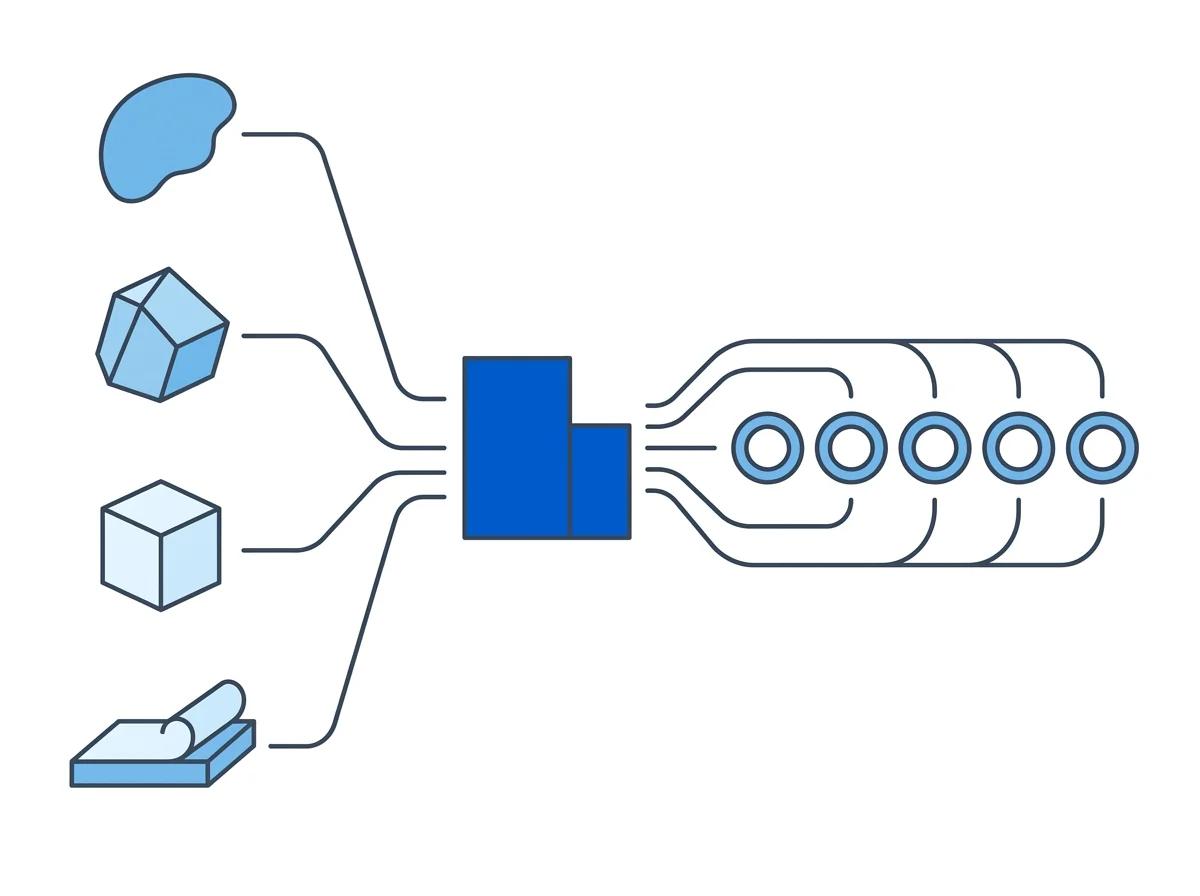
Cut three adjacent sections from the tumor block. Section 1: H&E stain for pathological assessment and region annotation. Section 2: Xenium spatial transcriptomics. Section 3: Singulator 200+ nuclei extraction for Flex snRNA-seq. The H&E section provides the anatomical map, the Xenium section provides spatial gene expression, and the snRNA-seq section provides the full transcriptomic depth to annotate every cell type on the spatial map.
PERFF-seq for rare tumor populations
Some of the most clinically important populations in brain tumors are rare. Cancer stem-like cells may represent less than 5% of the tumor mass. Specific T cell clonotypes may be present at frequencies below 1%. PERFF-seq -- validated by Stanford and Memorial Sloan Kettering -- captures rare cells from FFPE tissue at depths that standard snRNA-seq cannot match. The Singulator 200+ nuclei are validated for this workflow, and the high yield per curl (over 1 million nuclei) provides enough input material for PERFF-seq's deeper capture requirements.
Decide on your downstream platform strategy before sectioning any tumor block. Each platform has different input requirements, quality thresholds, and section needs. If you cut curls for snRNA-seq and then decide you also want spatial, you may not have enough block remaining for Xenium sections. Plan the complete analytical strategy, count the sections needed, and verify the block has sufficient tissue before making the first cut.