Make the S10 case write itself
An S10 reviewer scores documented need, utilization across an NIH-funded user base, and whether the resource will hold up. Standardized, auditable single-cell sample prep maps to all three, and gives a shared core the run logs and reproducibility data to put in front of a study section.
- An S10 is scored on shared use, not one lab's need. The strongest case shows a documented bottleneck, a broad NIH-funded user base, and a resource the institution can sustain. Sample prep makes all three concrete.
- Standardization turns a wish into a measurable claim. When prep runs the same way for every PI and sample type, you can show one standard of quality across the user base, the breadth-of-benefit a study section weighs.
- Auditable prep is provenance you can attach. A native digital run log on every run gives exportable records that align with the NIH Data Management and Sharing Policy and with ABRF's reproducibility framing, so one instrument supports both the grant and the data plans built on it.
A single-cell genomics core does not get to pick its samples. Different tissue arrives from a different PI on every shift, and the front end of the workflow has to hold steady through all of it. Your intake queue changes every day. Your prep quality shouldn't. That same idea is what makes an instrument fundable on a Shared Instrumentation Grant: the S10 mechanism rewards a resource that serves many independent users to one standard.
Standardized, auditable single-cell sample prep maps to every criterion a study section scores, with numbers and records you can put on the page. This piece is the spoke of a longer argument; if you have not read it yet, the case for why prep is the step a shared core controls least is laid out in your intake queue changes every day, your prep quality shouldn't.
What an S10 reviewer is actually scoring
The S10 program funds instruments a group of NIH-supported investigators will share, so the justification that earns a fundable score is built around the resource, not the science of one application. Three questions sit at the center: is the need documented and current, with existing options shown to be inadequate; how broad and strong is the NIH-funded user base; and can the institution sustain the resource with a credible management and utilization plan? Prep answers all three, because it touches every user and every sample type that comes through the door. The table later in this piece maps each criterion to a specific property of standardized prep.
Standardization is the breadth-of-benefit argument
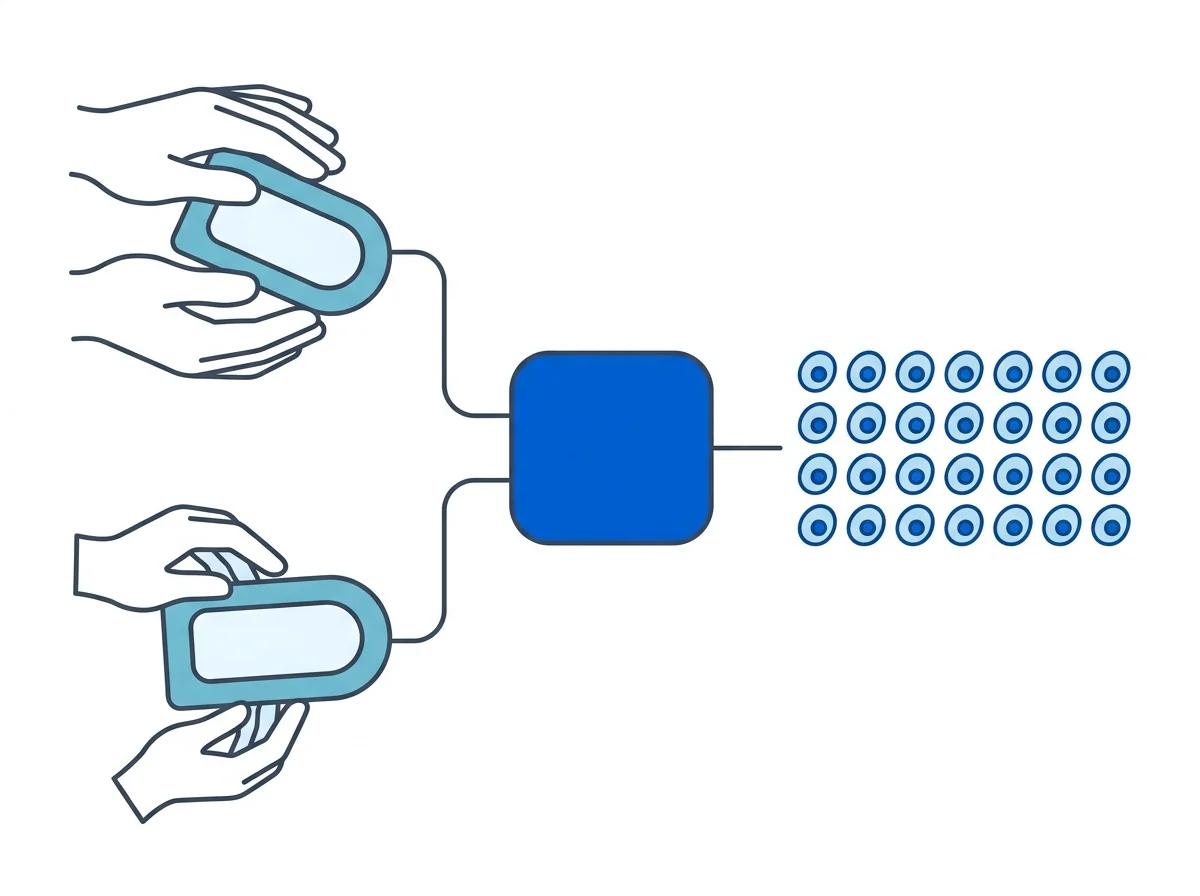
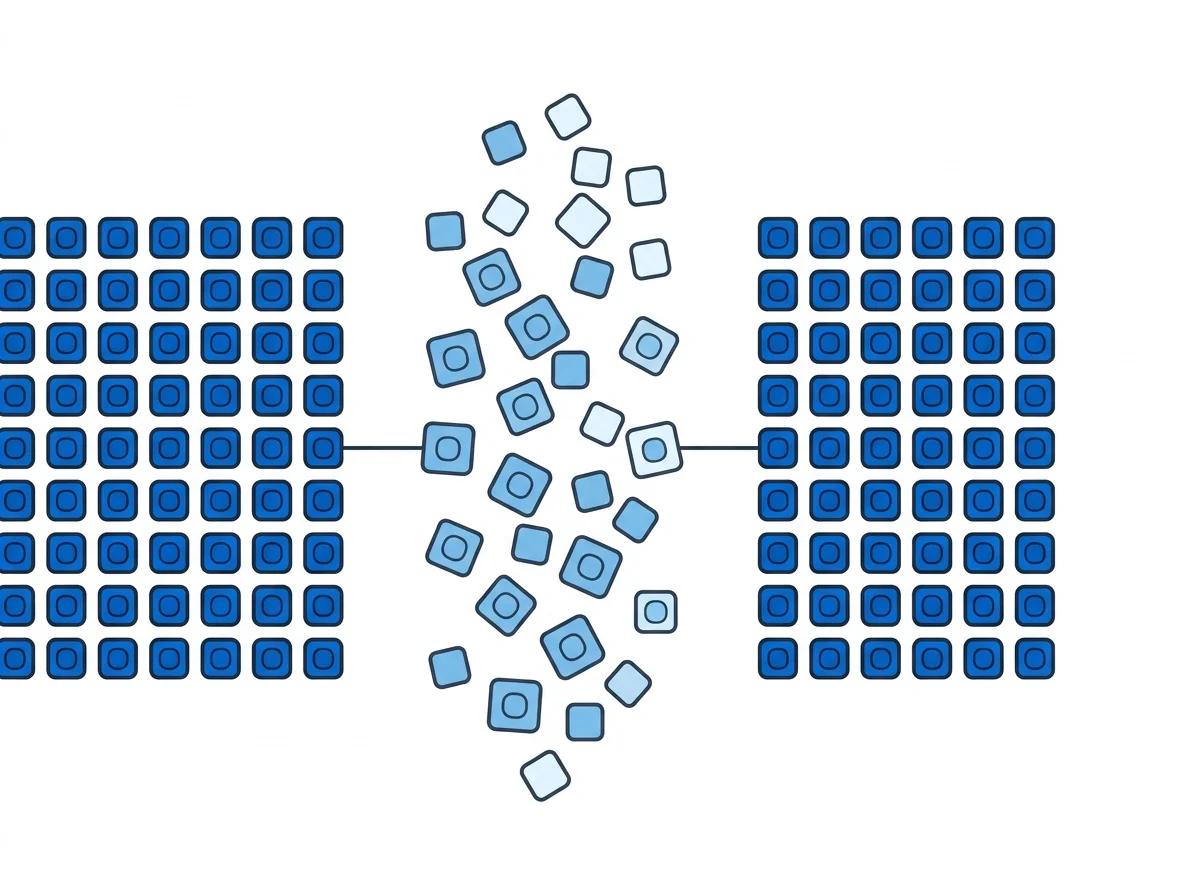
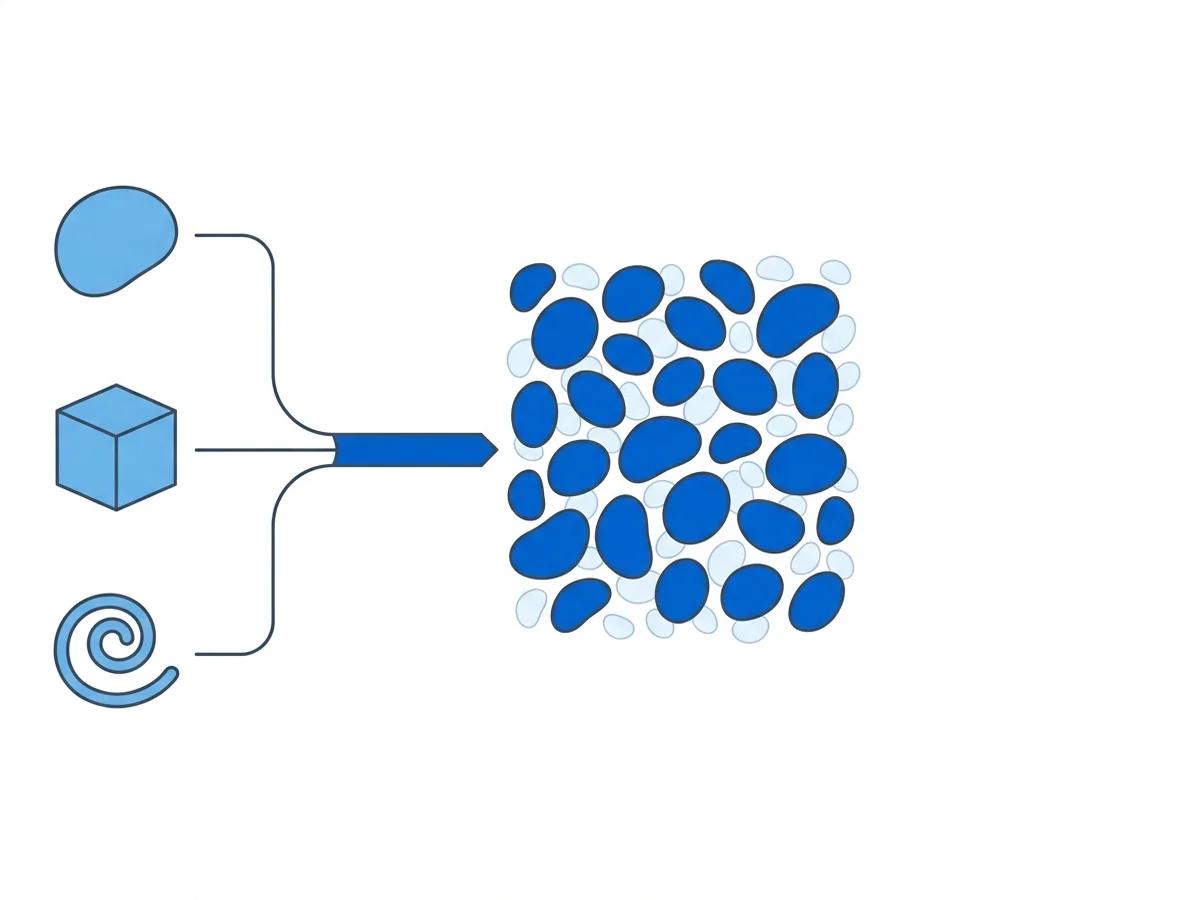
A shared core lives or dies on consistency across users: can a sample from any PI, run by whoever is at the bench, come out to the same standard of quality? Manual prep cannot promise that, because it depends on technique that drifts as a protocol passes between people. The Singulator runs software-controlled protocols on enclosed single-use cartridges, with the same timing, force, temperature, and chemistry on every run. The senior scientist and the rotating new hire produce comparable prep, so the justification can claim one quality standard across the entire user base, whoever runs the sample, rather than a vague "this will help many labs."
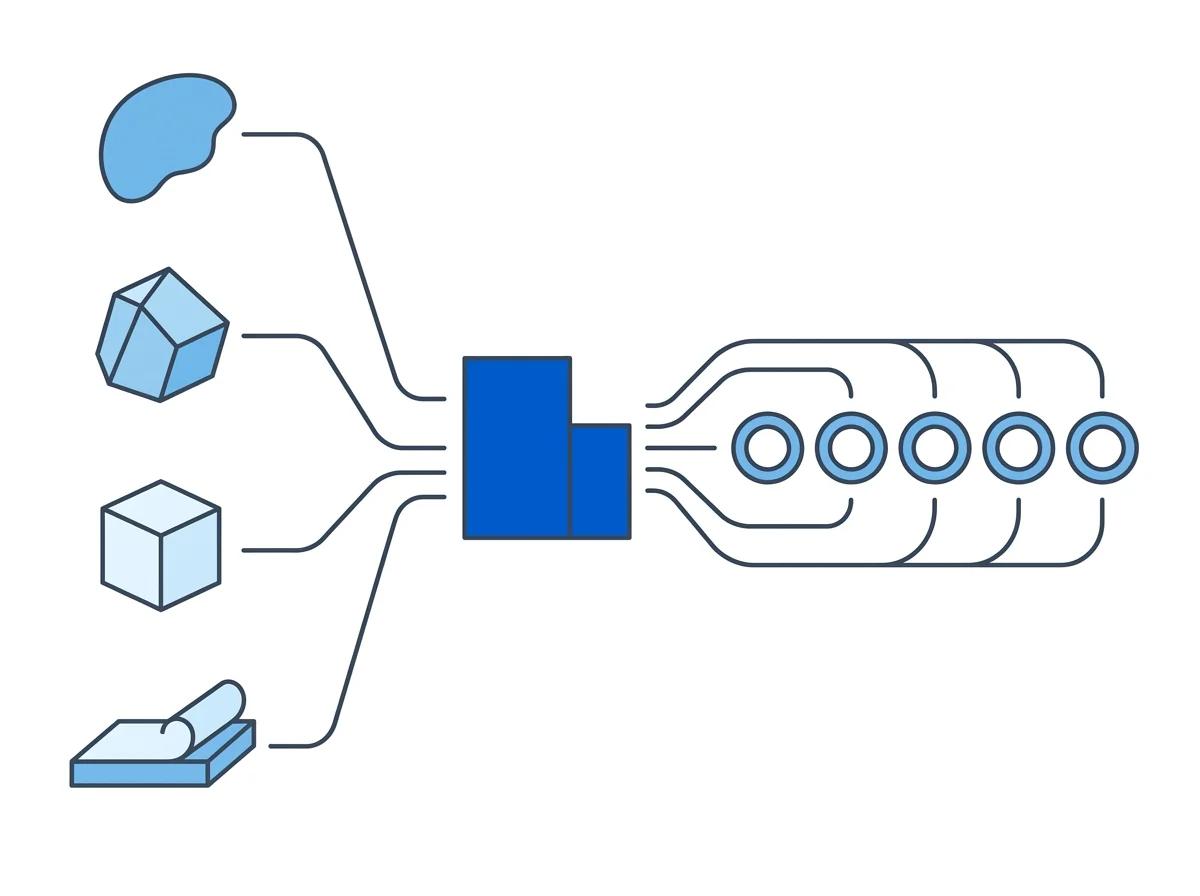
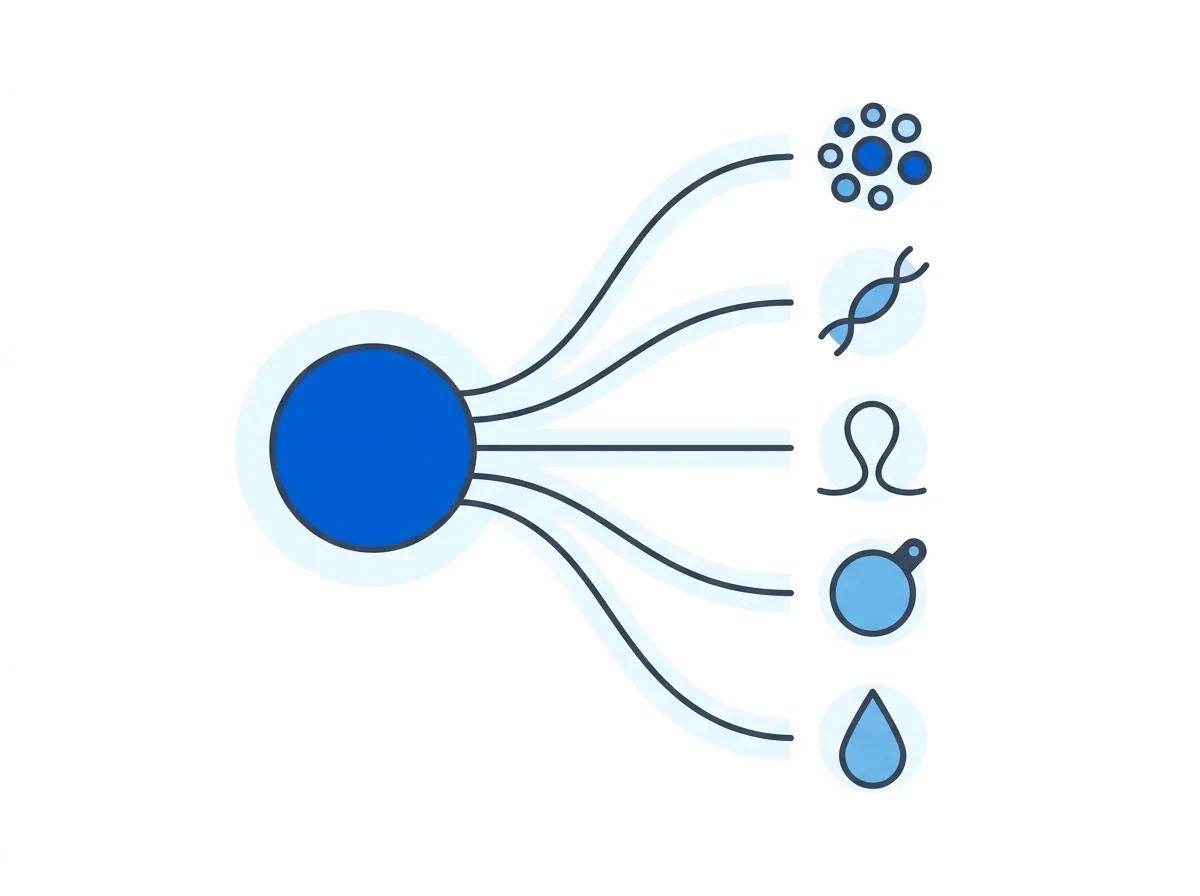
Breadth also means sample-type range. One walk-up instrument handles fresh, frozen, OCT, and FFPE tissue and outputs either single cells or single nuclei, so the core can serve archival projects on equal footing with everything else, without standing up a separate method. The user base you describe in the application is genuinely the whole core, not a subset.
In an independent comparison of nuclei isolation methods in frozen mouse cortex, the Singulator showed the lowest sample-to-sample variability of any method compared. Structural integrity ran about 100%, versus roughly 85% for a sucrose-gradient method and 35% for a column kit. Contamination ran below 0.5% mitochondrial reads, and the method was among the lowest in ribosomal reads, with cell-type and cell-state markers preserved consistently across samples (Kersey et al., 2026, Cell Reports Methods).
Replicate consistency tells the same story in a yield metric a reviewer reads quickly. In a mouse PDAC FFPE study, technical replicates returned identical nuclei yield, 1.0 million and 1.0 million. A manual workflow on the same material swung close to four-fold, 1.5 million and 0.4 million (n = 4, single PDAC block). When you argue that a shared instrument removes operator-added variability, that contrast is the concrete kind that survives study-section scrutiny.
Auditability is the provenance and data-plan argument
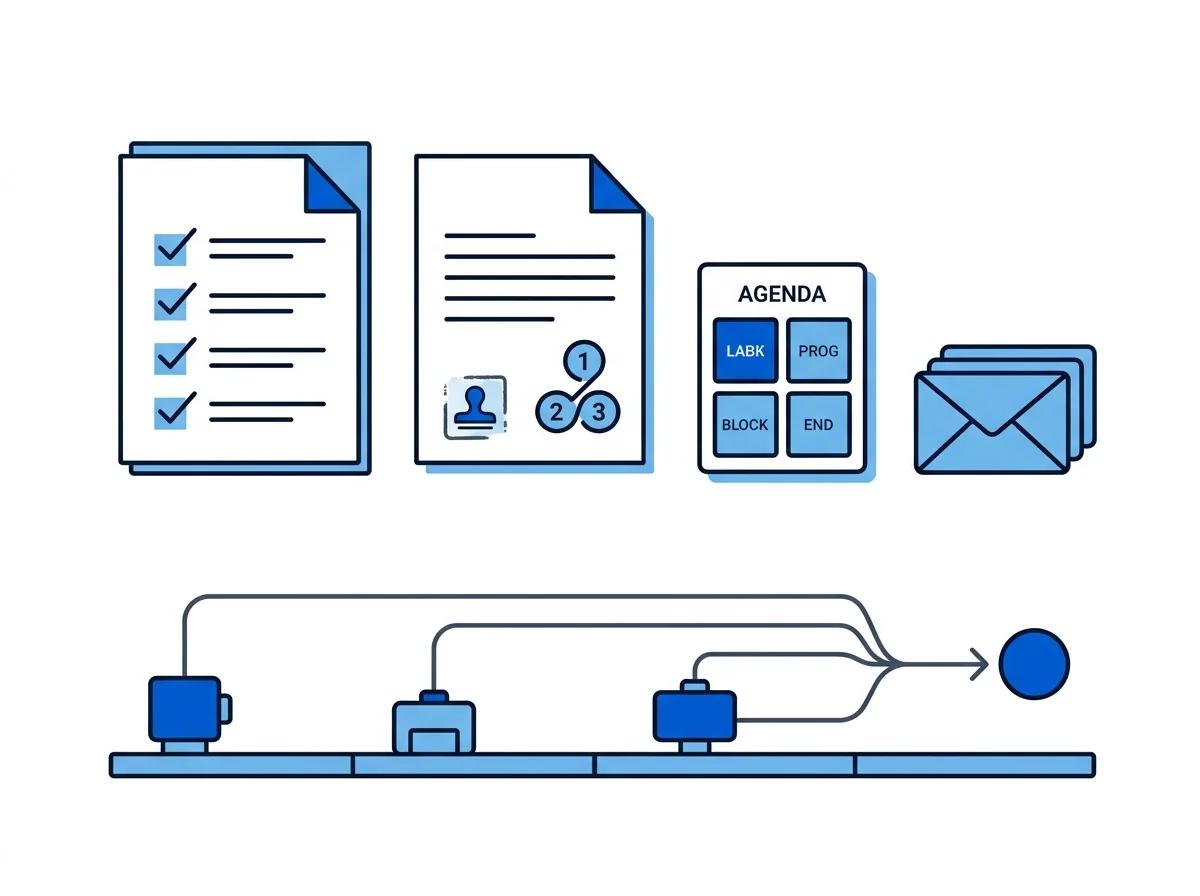
An auditable prep step earns its place twice: once in the S10 justification, and again in every NIH application that later runs samples through the core. Every Singulator run writes a native digital run log, giving the core exportable provenance for SOPs, IRB documentation, and the data-management materials investigators now have to supply. The records align with the NIH Data Management and Sharing Policy, which has been in effect since January 2023, and with how ABRF frames reproducibility for shared research resources. This is alignment with those frameworks, not an endorsement by NIH or ABRF. The same instrument that standardizes the prep also documents it, so provenance is produced by default rather than reconstructed after the fact.
Standardize the most variable step and document it, and the capital case rests on a record the institution already holds.
For the shared-resources chair, that is the difference between a resource that generates data and one that generates trusted, traceable data: the sustainability story a study section looks for.
The criteria, mapped to the prep step
| What the review weighs | How standardized, auditable prep speaks to it |
|---|---|
| Documented need, existing options inadequate | Manual prep varies with technique and has no FFPE-to-nuclei path; the bottleneck is real and measurable, not forecast. |
| Broad NIH-funded user base | One quality standard across every PI, plus fresh, frozen, OCT, and FFPE and both cells and nuclei, so the whole core benefits. |
| Consistent results users can rely on | Lowest sample-to-sample variability of compared methods (Kersey 2026); identical replicate yield versus a near-four-fold manual swing. |
| Utilization tracking and management plan | Native digital run log on every run gives exportable utilization and provenance records, by default. |
| Long-term institutional support, reproducible methods | Software-controlled protocols survive staff turnover; run logs align with NIH DMSP and ABRF reproducibility framing. |
Where this already looks like a shared resource
The strongest version of the user-base argument is an existing core that already runs many assays off one footprint. The Yale Center for Genome Analysis (YCGA) runs scRNA-seq, snRNA-seq, ATAC-seq, CITE-seq, and FACS off a single Singulator footprint, the multi-assay, multi-user breadth an S10 case is meant to describe. A standardized front end is what feeds that many downstream methods to a consistent quality. What that looks like in practice is the subject of one core, every assay, one Singulator footprint.
The downstream evidence is published, too. In work from the Dana Pe'er lab, Singulator-derived single-nucleus RNA-seq identified the same major cell types as Xenium spatial data, and in one published mouse melanoma model it helped resolve immune-cell differences the spatial data alone did not capture (Haviv et al., 2024). That is third-party evidence the prep feeds reference-grade work, not only that it runs.
For a neuroscience-heavy core: enzymatic dissociation at 37 °C can induce artifactual stress-response and microglial-activation signatures (Marsh et al., 2022). Cold, enzyme-free chemistry is part of why a gentle, standardized prep matters for brain, and a defensible reason to choose a controlled instrument over an open-bench method.
The objections a study section will raise
Won't the core get locked into one vendor's protocols and cartridges? Software-controlled protocols stay consistent and remain yours to run and revise, and the single-use cartridge model is already the category standard. The number that matters is all-in cost per usable sample: the lowest published sample-to-sample variability means one avoided downstream failure offsets a great many runs.
Our senior tech already gets excellent results. Why fund automation? The exposure is what happens when that person is unavailable. A software-controlled protocol encodes the expert's standard so a committed sample runs the same way when a newer hire takes the bench, the continuity a sustainability plan must demonstrate.
Can one instrument really serve a user base with this many tissue types? One walk-up instrument covers fresh, frozen, OCT, and FFPE for cells and nuclei, validated across a broad range of tissue types and down to 2 mg of input. For severely degraded archival material, a quick block-quality check before committing a precious curl is the right move, and PCS applications support can help set those criteria.
How does this help with throughput across a busy core? Throughput is on par with established semi-automated methods, without the manual technique they require. Because each run needs only a few minutes of hands-on time, a core can scale capacity by adding instruments rather than headcount.
What to do next
If a Shared Instrumentation Grant is on your horizon, the prep step is the part of the case you can make concrete today.
- Inventory your user base by sample type. List the PIs, tissues, and assays your core would serve with a standardized front end. That table is the breadth-of-benefit core of the narrative.
- Decide what provenance you need to attach. Map the run-log and utilization records you want for the management plan and investigators' NIH data-management plans, so the instrument you choose produces them by default.
- Pressure-test the standardization claim itself. If a reviewer might ask whether one instrument really holds the line across every operator you have, the honest answer to that objection is worth reading before you draft the narrative.
- Bring a PCS specialist into the planning. Talk through your core's representative samples and the standardization case, so the variability and yield expectations in your justification are grounded in your workflow, not a brochure's.