Navigating postmortem brain tissue for FFPE genomics
Why postmortem brain tissue is uniquely difficult
Neurodegenerative disease research depends on a resource that is simultaneously irreplaceable and compromised by design. Unlike tumor biopsies from living patients, Alzheimer's cortex, Parkinson's substantia nigra, and Lewy body brainstem tissue come exclusively from postmortem collection. No one schedules a necropsy to optimize conditions for single-nucleus sequencing. The tissue was fixed under whatever protocol the hospital or medical examiner followed, archived under whatever storage conditions existed, and sectioned whenever the biobank had time.
The result is that every postmortem brain block carries a unique history of pre-analytical variables -- and researchers almost never have complete records of what those variables were. This guide walks through the specific challenges of postmortem brain FFPE tissue and how to approach them practically, whether you are working with a single section from a 20-year Alzheimer's cohort or processing blocks from a multi-site consortium where fixation protocols varied across institutions.
TL;DR -- Postmortem brain FFPE essentials
- Postmortem interval (PMI) before fixation varies from minutes to 24+ hours and directly affects RNA quality in the block
- Fixation duration varies from 4 hours to several days across institutions, with longer fixation causing more crosslink damage
- Brain tissue generates more myelin and lipid debris during dissociation than most other tissue types
- The Singulator 200+ two-cartridge workflow handles deparaffinization and nuclei isolation on-instrument, removing operator variability from the equation
- You cannot improve what the tissue experienced before collection, but standardized processing ensures you do not make it worse
Working with postmortem brain FFPE tissue
Five areas where postmortem brain tissue creates unique challenges for single-nucleus genomics, and what you can do about each one.
Postmortem interval and fixation Understand what postmortem interval and fixation do to your tissue
The clock starts ticking at the moment of death, and everything that happens before fixation affects the RNA you will eventually try to sequence. Postmortem interval -- the time between death and tissue preservation -- triggers enzymatic degradation of nucleic acids. RNases released from dying cells begin digesting transcripts. In brain tissue, which has high metabolic activity and abundant RNases, this degradation is particularly aggressive.
Necropsy timing is out of your hands
A surgeon performing a necropsy may begin minutes after death or hours later, depending on the circumstances, institutional procedures, and time of day. Weekend deaths at facilities without 24-hour pathology coverage can mean PMIs of 12 hours or more. The tissue you receive from a biobank carries no memory of these conditions in its appearance -- a block that sat for 18 hours before fixation looks identical to one that was fixed within 2 hours.
When available, PMI records provide context for setting expectations. Tissue fixed within 4-6 hours of death generally retains better RNA quality than tissue with 12+ hour PMI. But PMI alone does not predict outcome -- fixation conditions matter at least as much. A short PMI followed by 72 hours in unbuffered formalin can produce worse results than a longer PMI with properly buffered 24-hour fixation. Request both PMI and fixation records from the biobank when possible.
Fixation duration varies wildly
Hospital pathology labs fix tissue based on their own protocols, not yours. Some institutions fix brain tissue for 4-6 hours in 10% neutral buffered formalin. Others leave specimens in formalin for 24 hours, 48 hours, or even longer if the tissue is collected late in the week and fixation continues through the weekend. Prolonged fixation creates more formaldehyde crosslinks between proteins and nucleic acids, which degrades RNA quality and reduces the number of fragments longer than 200 nucleotides -- the threshold measured by DV200.
Blocks fixed in buffered formalin for under 24 hours tend to produce DV200 values above 50%, which is compatible with 10x Flex library prep. Blocks fixed for 48+ hours or in unbuffered formalin often fall into the 30-50% range. If fixation records are unavailable, a DV200 measurement from a test section gives you the information you need before committing your remaining tissue.
Biobank sourcing realities Navigate what biobanks and hospitals actually provide
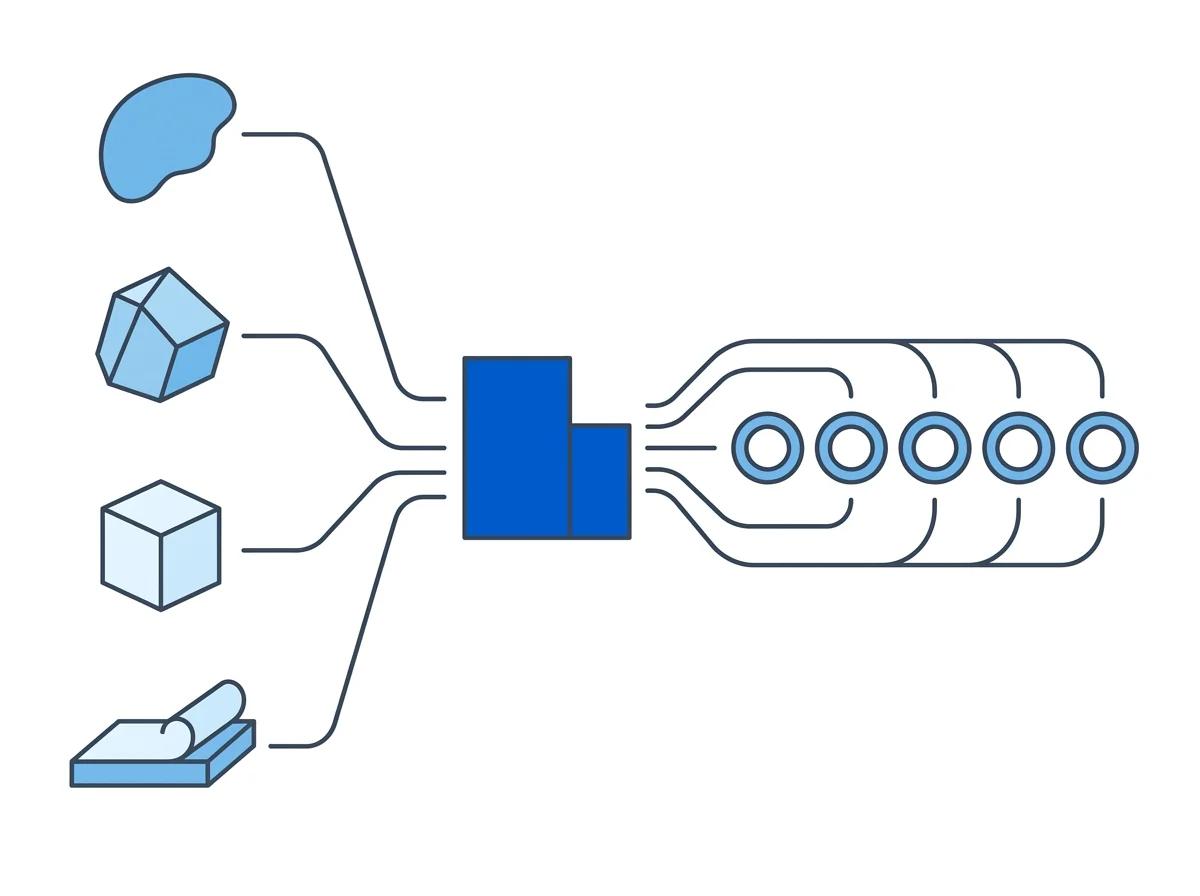
Researchers working with postmortem brain FFPE tissue rarely handle the original block. Tissue arrives from brain banks, hospital pathology archives, multi-site consortia, or collaborators -- and what you receive depends on the institution's policies, the original study design, and sometimes the preferences of whoever filled the request.
Pre-cut sections versus blocks
Many biobanks ship pre-cut sections rather than intact blocks. These sections are typically 5-10 micrometers thick -- cut for histology, not dissociation. Some may have been sitting on glass slides for months or years before you requested them. The tissue has been exposed to air, ambient humidity fluctuations, and whatever the storage conditions happened to be. Blocks, when available, generally preserve tissue quality better because the paraffin wax protects the interior from oxidation and humidity.
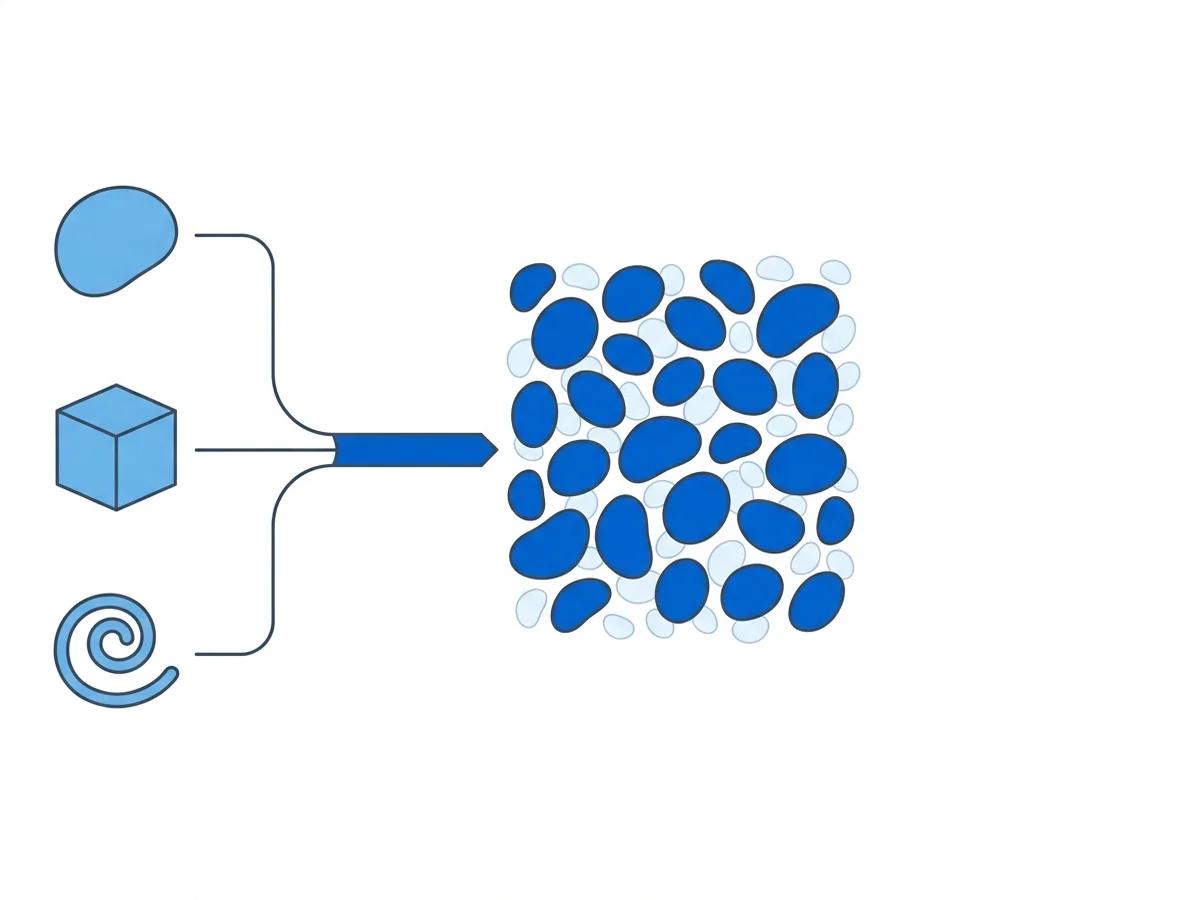
If you receive pre-cut thin sections (5-10 micrometers), multiple sections can be pooled to reach the 2 mg minimum input for the Singulator 200+. Five to ten thin sections typically provide sufficient material. Scrape sections from glass slides into a tube, weigh the tissue, and proceed with the standard two-cartridge workflow. The Singulator 200+ can process these pooled inputs, but expect proportionally lower nuclei yields compared to a single 50-micrometer curl from an intact block.
Variable metadata quality
The metadata accompanying biobank tissue ranges from detailed clinical annotations with fixation records, PMI, and tissue processing histories to a label with a case number and brain region. Longitudinal cohort tissue -- from Alzheimer's Disease Research Centers, for example -- tends to have better documentation. Pathology archive tissue retrieved for retrospective studies often has minimal records beyond the diagnosis and block location.
Without fixation records, treat each block as an unknown. Run a DV200 measurement on a small aliquot before committing your section to library prep. This 15-minute quality check tells you more about what the tissue experienced than any metadata record could. Blocks with DV200 above 50% are strong candidates for snRNA-seq. Those below 30% may be better allocated to spatial transcriptomics platforms that do not require dissociation.
Brain-specific debris challenges Manage the myelin and lipid debris that brain tissue produces
Brain tissue is not like other tissue types when it comes to dissociation. White matter regions are dense with myelin -- the lipid-rich sheath surrounding axons -- which produces abundant debris during mechanical and enzymatic processing. This debris does not dissociate into clean suspension. It persists as sticky, lipid-laden fragments that clog microfluidics, contaminate nuclei suspensions, and increase ambient RNA background in sequencing data.
Myelin creates problems that other tissues do not
A pancreatic FFPE block or a breast tumor section produces some debris during nuclei isolation, but brain white matter generates substantially more. The myelin sheath -- a lipid-protein complex that is roughly 80% lipid by its own dry weight -- is abundant in white matter regions and breaks into fragments that are similar in size to nuclei. Manual processing methods struggle to separate myelin debris from intact nuclei because trituration -- the repeated pipetting that manual protocols rely on -- liberates myelin fragments while simultaneously damaging fragile neuronal nuclei.
Cortical gray matter produces less myelin debris than deep white matter structures. Hippocampus, a common target for Alzheimer's research, contains a mix of gray and white matter. Substantia nigra, relevant for Parkinson's work, is heavily myelinated. When choosing which region to section from a brain block, consider that gray-matter-enriched regions will produce cleaner nuclei suspensions. If working with white-matter-heavy regions, expect higher debris levels and plan for additional cleanup if needed.
Built-in filtration addresses brain-specific debris
The Singulator 200+ uses controlled mechanical processing within sealed cartridges, combined with built-in filters, to separate nuclei from myelin and lipid debris. This is different from manual approaches where the researcher relies on visual assessment and manual filtration steps that vary between operators and between runs. The filtration is part of the automated workflow, not a separate manual step that can be done more or less carefully depending on the day.
The GREEN FFPE cartridge handles deparaffinization and rehydration on-instrument -- no xylene, no fume hood. The YELLOW NIC+ cartridge then isolates nuclei with controlled mechanical processing that is gentler than manual trituration. For brain tissue specifically, this controlled processing preserves fragile neuronal nuclei while the built-in filtration reduces the myelin debris burden.
Standardize the extraction step Standardize the one variable you can actually control
Here is the honest framing for postmortem brain FFPE work: you cannot control the PMI. You cannot control the fixation duration. You cannot control how long the block sat in a drawer. You cannot control how the sections were cut or stored. What you can control is the nuclei extraction step -- and making that step consistent is the difference between adding more variability to an already variable sample and holding at least one part of the process constant.
Why operator variability compounds tissue variability
Manual FFPE nuclei extraction protocols involve 28 pipetting steps and 25 minutes of hands-on time. Each step introduces a source of variation. Deparaffinization timing -- whether the xylene wash runs for 10 minutes or drifts to 15 -- changes how completely the paraffin is removed. Trituration force, which depends entirely on the individual at the bench, determines whether fragile nuclei survive or break. Rehydration through the ethanol series adds more steps where inconsistency accumulates.
When the starting tissue already carries variable quality from uncontrolled pre-analytical conditions, adding operator variability during extraction makes it impossible to distinguish biological signal from technical noise. Was the difference between two samples real, or did one get trituration from a postdoc who pipettes gently and the other from a technician who pipettes aggressively?
The Singulator 200+ reduces the extraction to 4 pipetting steps and less than 5 minutes of hands-on time. The instrument handles deparaffinization, rehydration, enzymatic digestion, and mechanical processing with the same parameters every time. This is particularly valuable for postmortem brain tissue because the starting material is already variable. Standardizing extraction means the only variability in your output reflects the tissue itself, not who processed it.
FFPE two-step workflow S200+ Only
Consistency data from challenging tissue
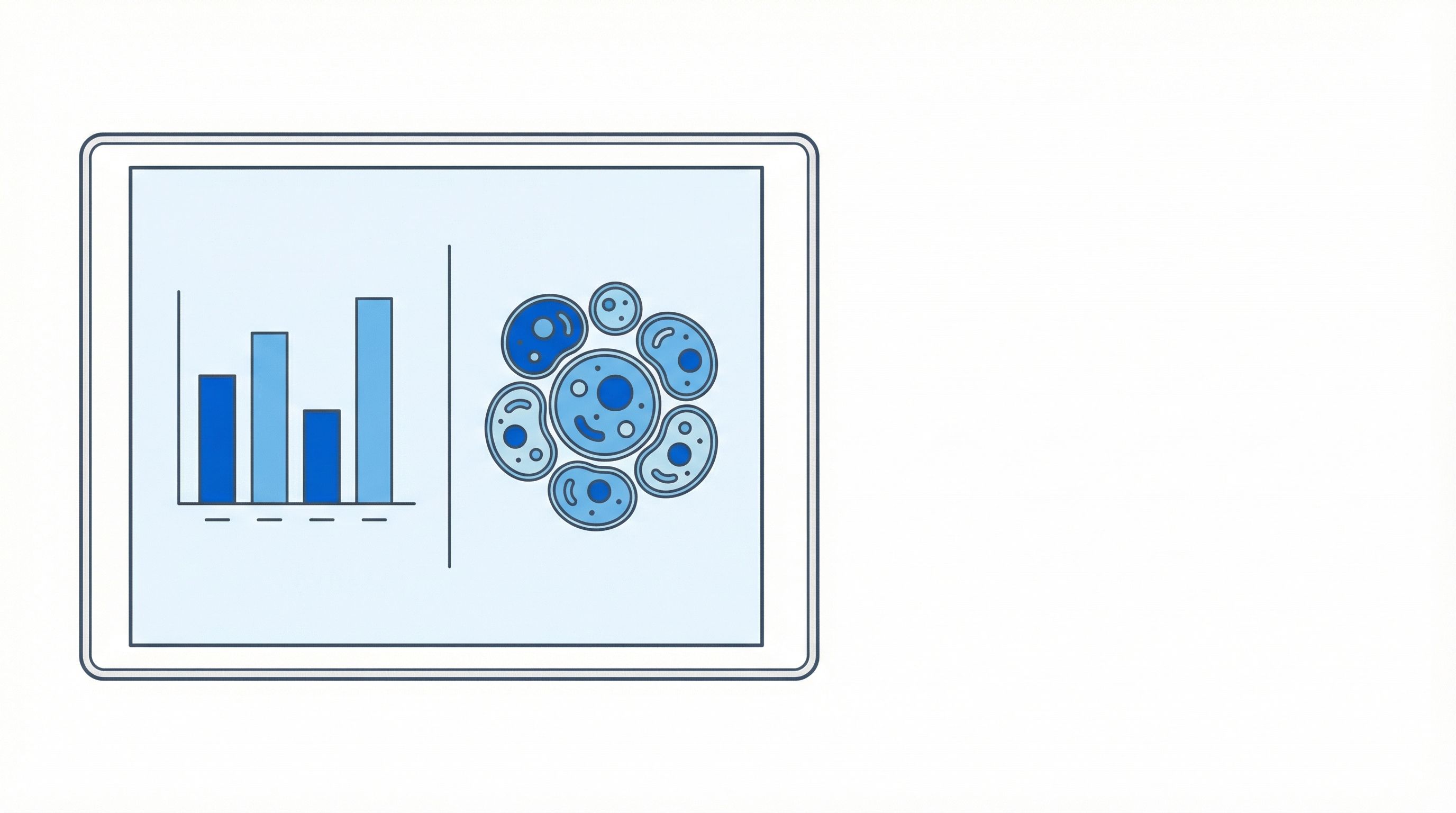
In the PDAC FFPE tissue study, the Singulator 200+ produced replicate yields of 1.0M and 1.0M nuclei from the same tissue block. A semi-automated approach from the same block yielded 1.5M and 0.4M -- a 3.75-fold difference between replicates. For postmortem brain tissue, where every section may be the last available from a decades-old cohort, that consistency is the difference between interpretable data and noise.
Preserve fragile neuronal nuclei Preserve the fragile neuronal populations that manual methods lose
Not all cell types survive FFPE processing equally. Neurons -- the cells driving most neurodegenerative disease biology -- are disproportionately fragile. Their large, extended morphology and thin axonal processes make them vulnerable to mechanical disruption. Astrocytes and microglia, with their more compact morphology, tend to survive harsh processing better. The practical consequence is that aggressive manual trituration biases your cell-type composition toward immune and glial populations while losing the neuronal nuclei you are actually studying.
Cell-type skew is not just a statistics problem
When your single-nucleus dataset from postmortem Alzheimer's cortex shows an overrepresentation of microglia and an underrepresentation of excitatory neurons, the question becomes: is that the biology, or is that the prep? In manually processed brain tissue, the answer is often both -- but you cannot separate the contributions. The prep itself introduces a systematic bias that is difficult to computationally correct because you do not know the true underlying composition.
The Singulator 200+ uses controlled mechanical and enzymatic processing that is gentler than manual trituration. In the PDAC FFPE study, the Singulator 200+ enriched for fragile cell populations (ductal cancer cells, cancer-associated fibroblasts) while the semi-automated approach skewed toward robust immune cells like neutrophils. The same principle applies to brain tissue: controlled processing preserves fragile neuronal nuclei that aggressive manual pipetting would break.
Why this matters for longitudinal cohort studies
A longitudinal Alzheimer's cohort might include blocks from dozens of patients collected over 10 to 20 years. If the cell-type composition in your snRNA-seq data shifts because of processing differences rather than disease biology, your statistical power to detect disease-associated changes disappears. The effect you are trying to find -- say, a reduction in a specific neuronal subtype across disease stages -- gets buried under technical variability in cell-type recovery.
Each Singulator 200+ run takes about 60 minutes with less than 5 minutes of hands-on time. A single researcher can process multiple samples per day by loading one cartridge set while the previous run completes. For a cohort of 20 postmortem brain blocks, this means consistent nuclei extraction across all samples within a few days, with the same protocol parameters applied to every block regardless of its age or fixation history.