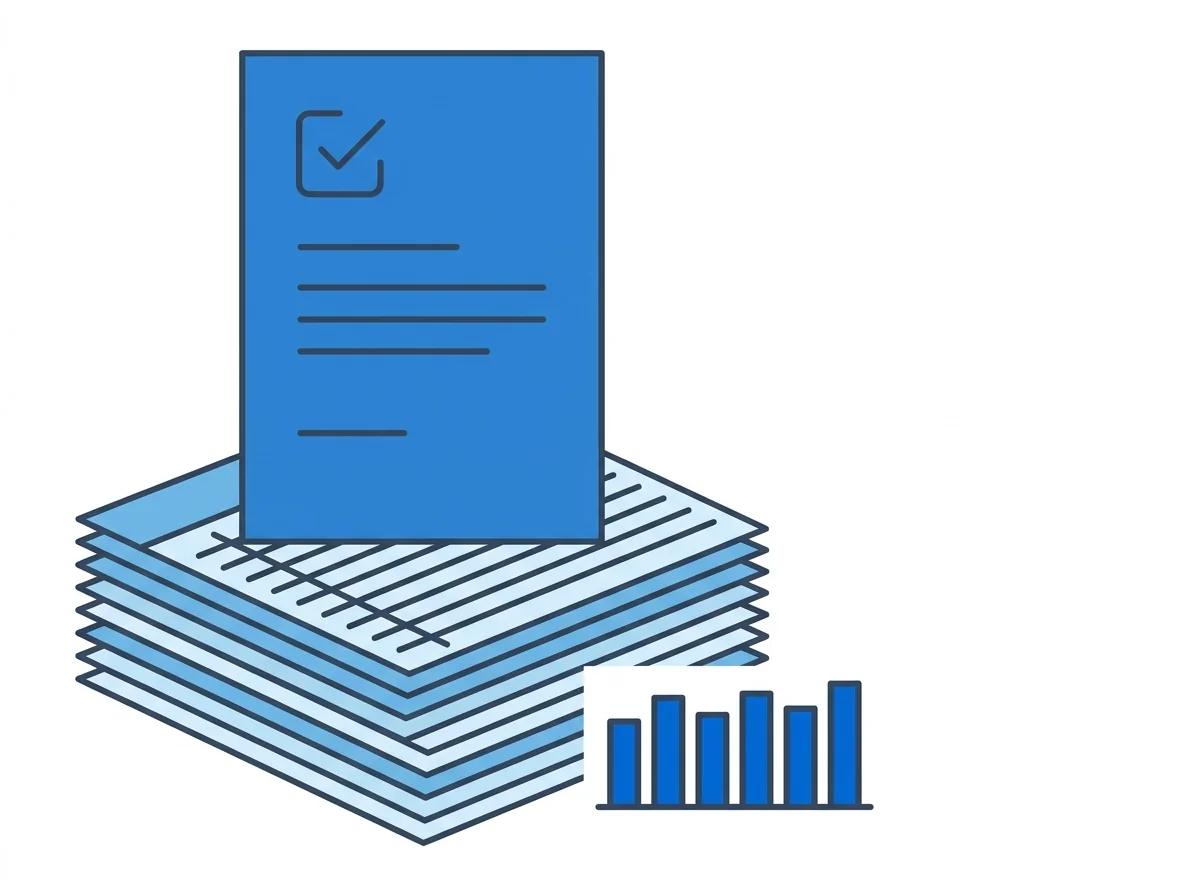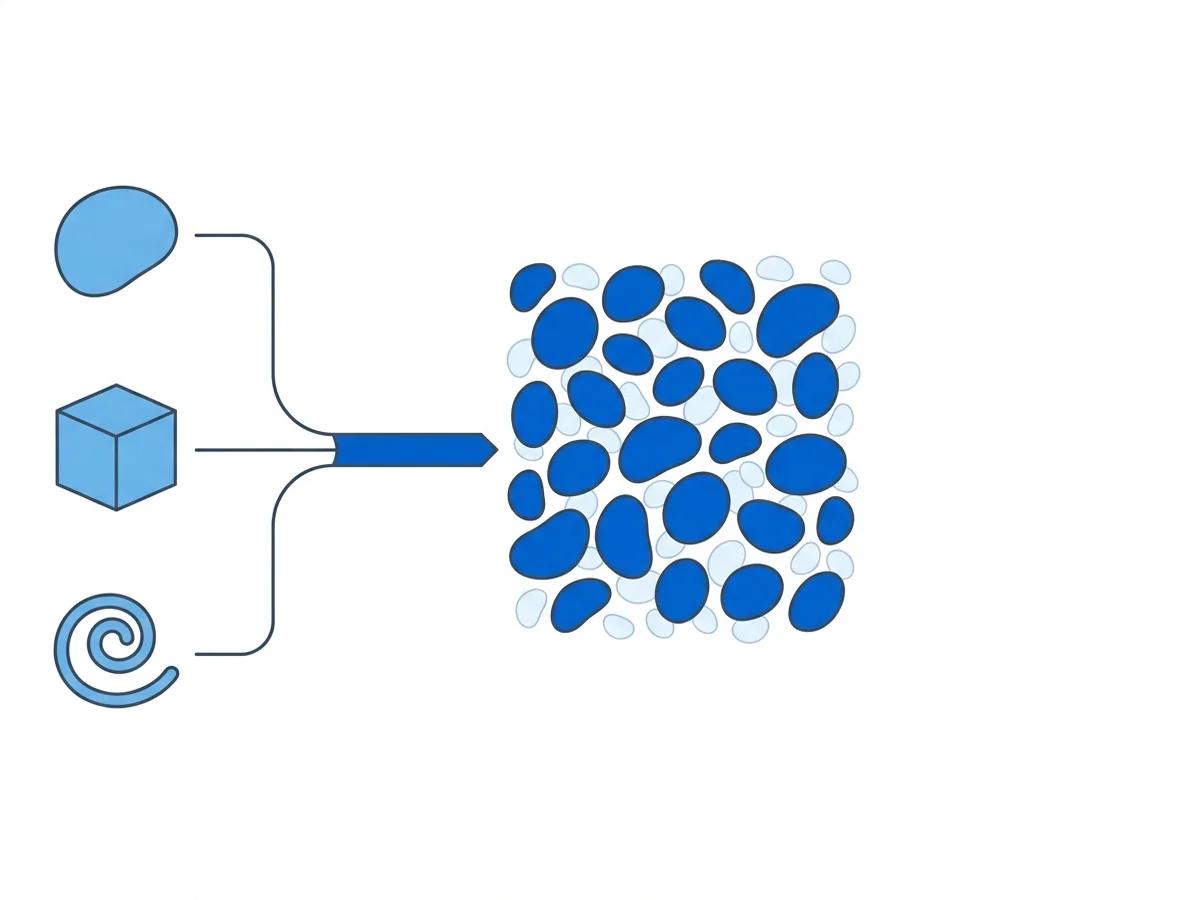
Your intake queue changes every day. Your prep quality shouldn't.
A shared core takes in different tissue from different labs every shift. The one step that should hold steady is the one that drifts most with whoever is at the bench. It does not have to.
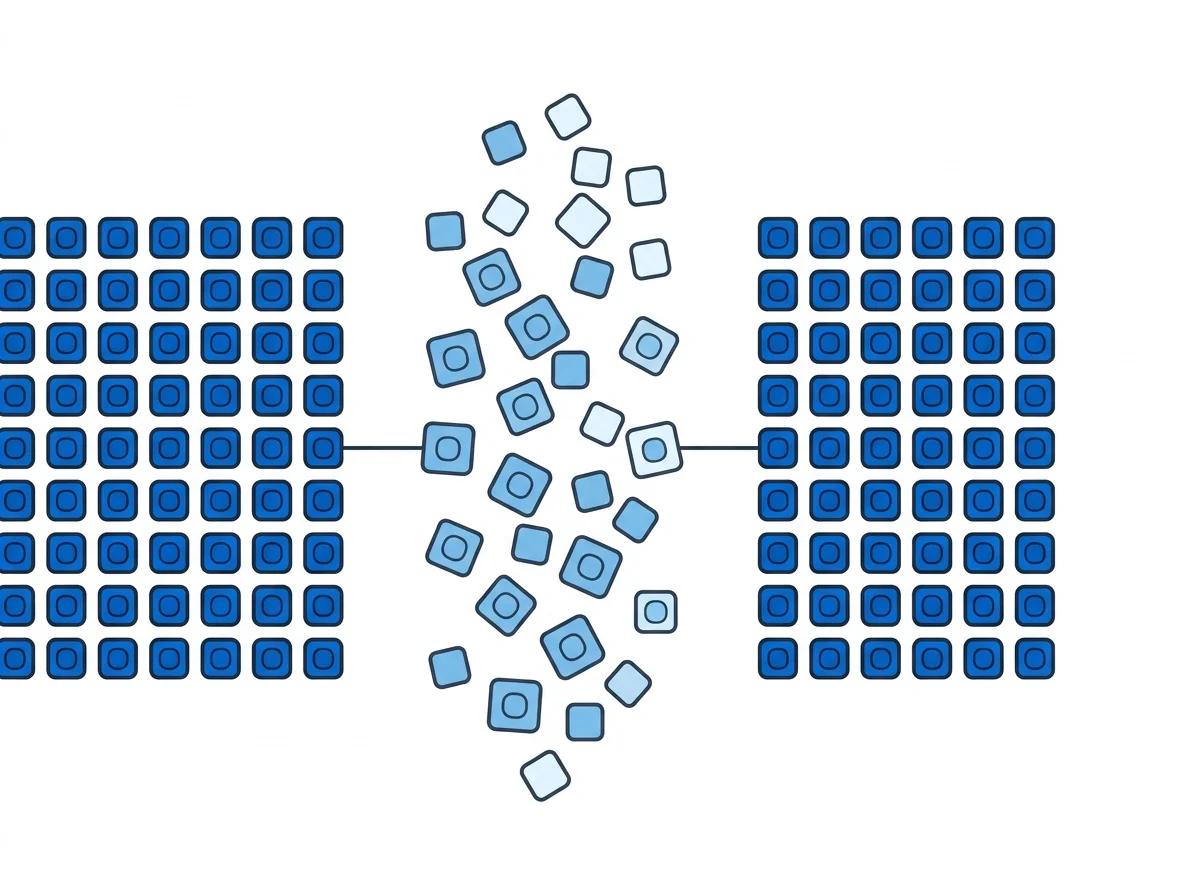
- Sample prep is the most variable step in the single-cell workflow — and in a shared core it is the step the facility controls least, because the result tracks whoever ran it that morning.
- The front end and the back end have been engineered toward consistency for a decade. The middle, where tissue becomes a sample, still runs on hands, timing, and judgment — the variable middle.
- The durable fix is not better technique; it is moving the standard off the bench and into the instrument, where it runs the same regardless of who triggers it.
- When prep holds steady, reproducibility becomes the core's service, not a hope that rides on the day's operator.
Sample prep is the most variable step in the single-cell workflow. In a shared core it is also the one step you control least, because the result tracks whoever ran it that morning.
The protocol arrives defined and the sequencer is calibrated. What drifts is the bench in between, where a thin run or a cluster that looks like batch instead of biology usually starts.
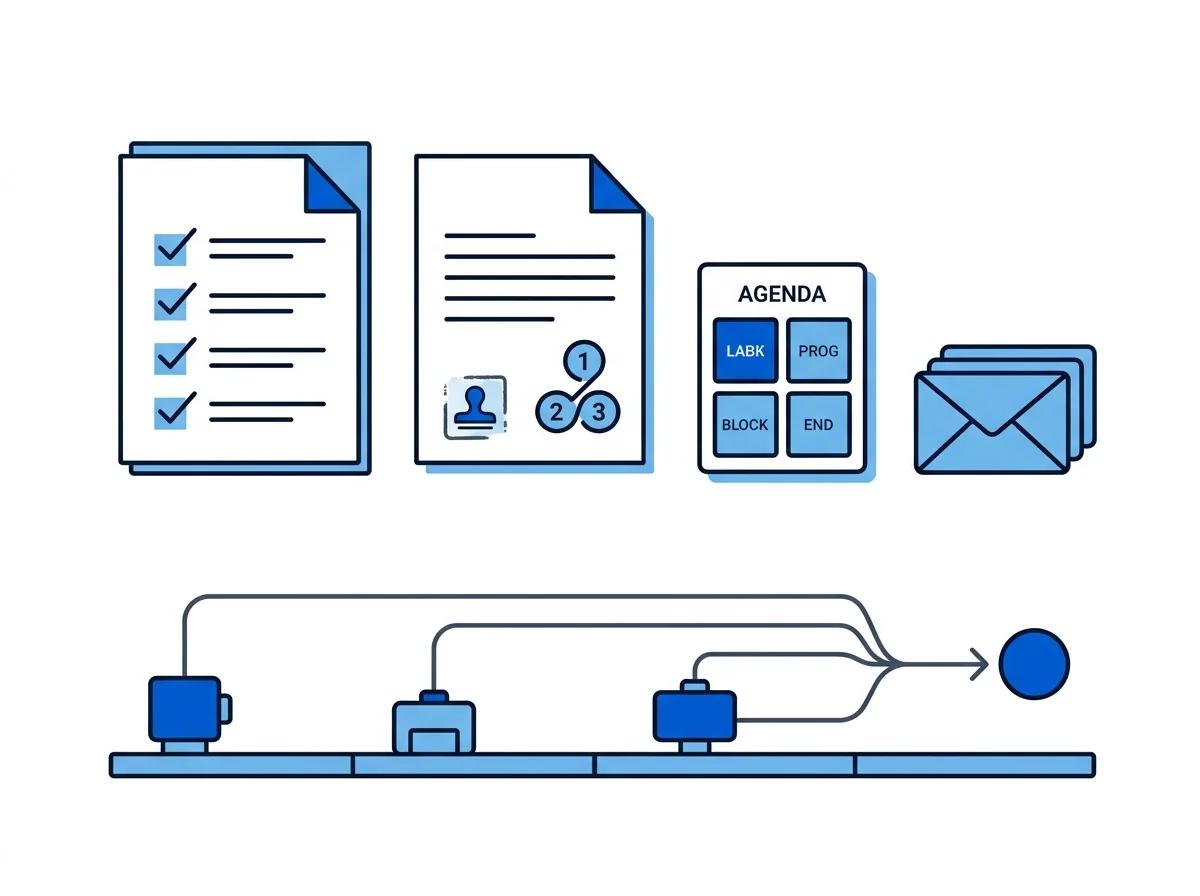
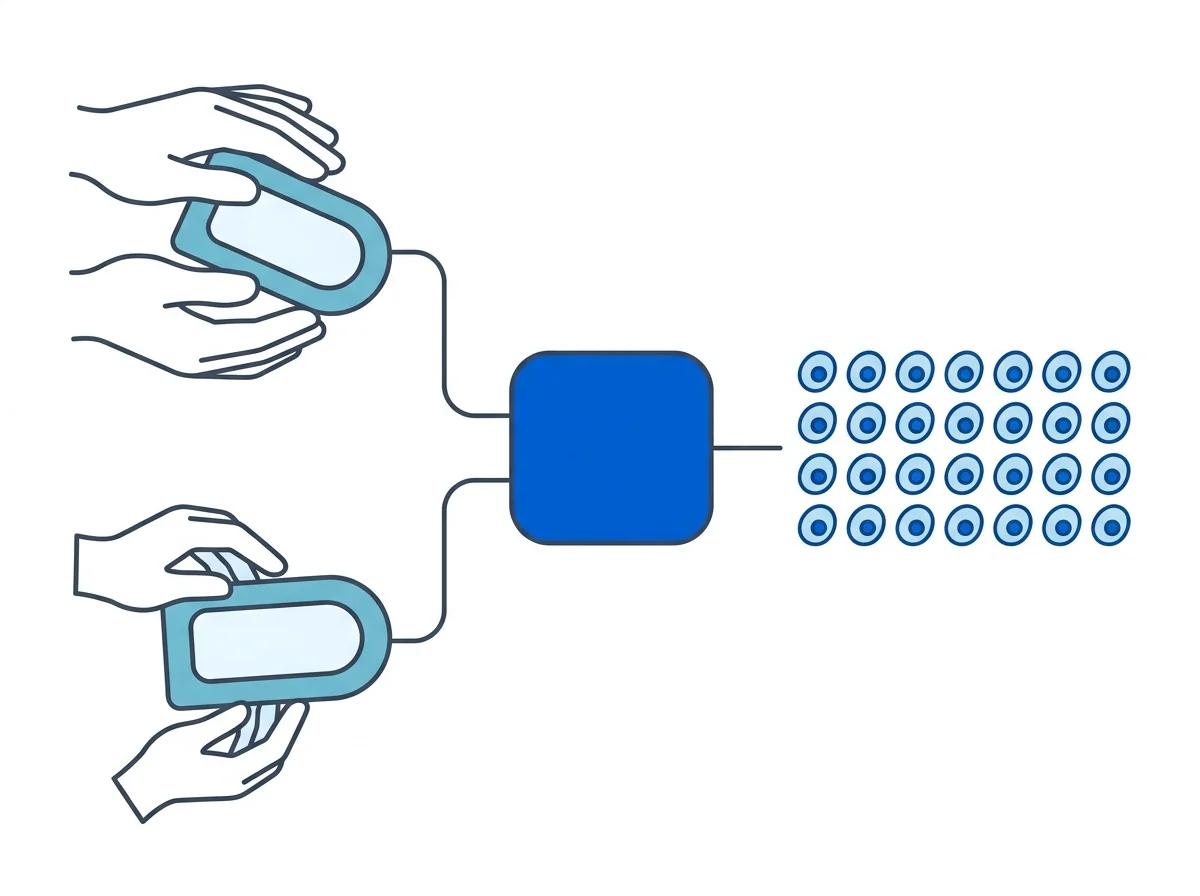
Picture the workflow as three parts. The front end is defined: a protocol, a platform, a question the PI already knows how to ask. The back end is calibrated: a sequencer that self-checks and a pipeline that flags what it cannot explain. Both have been engineered toward consistency for a decade. The middle, where tissue becomes a sample, still runs on hands, timing, and judgment. A rotating cast of operators runs it, on a different specimen every time.
The variable middle
Call it the variable middle. A core's reputation lives there. So does the failure rate the PIs blame on the sequencer.
Working scientists already have a name for the symptom. They call the senior tech who always gets clean suspensions the one with magic hands, and they are only half joking. When that person is the SOP, the SOP takes vacations, goes to conferences, and eventually walks the institutional method out the door in someone's head.
Why the middle drifts in a shared core
A single-PI lab with one tech can sometimes hold the middle steady by sheer repetition. A shared core cannot. The people rotate, so technique drifts with every handoff. The intake never repeats, so each tissue carries its own way to go wrong. And a per-sample chargeback model makes you answer for reproducibility across users who submit months apart, run by different hands on different days. Consistency is the service you are selling.
A weak prep does not announce itself at the bench. It surfaces downstream as ambient RNA to scrub and a rare population that never got captured, on a run already charged to a grant. None of this means your people are the problem. They are carrying a step that was never designed to be carried by people at all.
Put the standard where it cannot drift
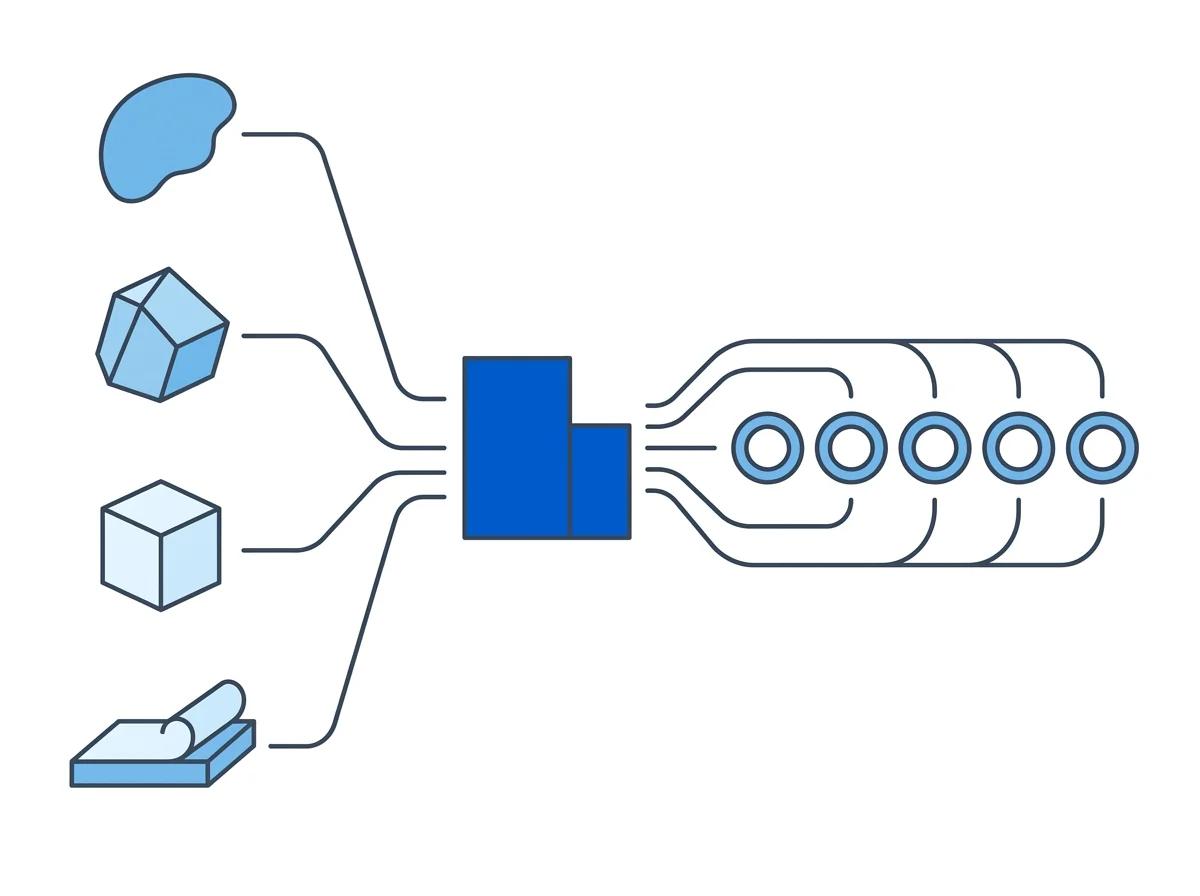
The fix is to move the part of the prep that depends on hands somewhere it cannot drift. An automated single-cell sample prep system runs the same timing, force, temperature, and chemistry on every run, set in software rather than reproduced from memory. The standard stops living in one person's hands and starts living in the instrument, where the new hire and the senior scientist trigger the identical sequence. So the result stops tracking the operator and starts tracking the sample, the only variable you want in your data.
Put it in the instrument and the only thing left varying is the tissue, which is what you were trying to measure.
This is testable, and the numbers are not subtle. In frozen mouse cortex, the Singulator recovered ~100% structurally intact nuclei against ~85% for a sucrose-gradient prep and ~35% for a column kit, with the lowest sample-to-sample variability of the methods compared (Kersey et al., 2026, Cell Reports Methods). Run the identical block twice and the yields match, 1.0M and 1.0M, where a manual workflow on the same material swung close to four-fold, 1.5M against 0.4M (PCS FFPE application note, n = 4). So you stop re-running failed samples and re-charging the PI.
The Kersey head-to-head is frozen mouse cortex; human-postmortem translation should be caveated until a human-tissue comparison is published. What carries across species is the mechanism — gentle, cold prep without an enzymatic 37 °C step, which is independent of species. Enzymatic dissociation at 37 °C can induce artifactual stress-response and microglial-activation signatures in brain tissue (Marsh et al., 2022, Nature Neuroscience) — context for why gentle, cold prep matters.
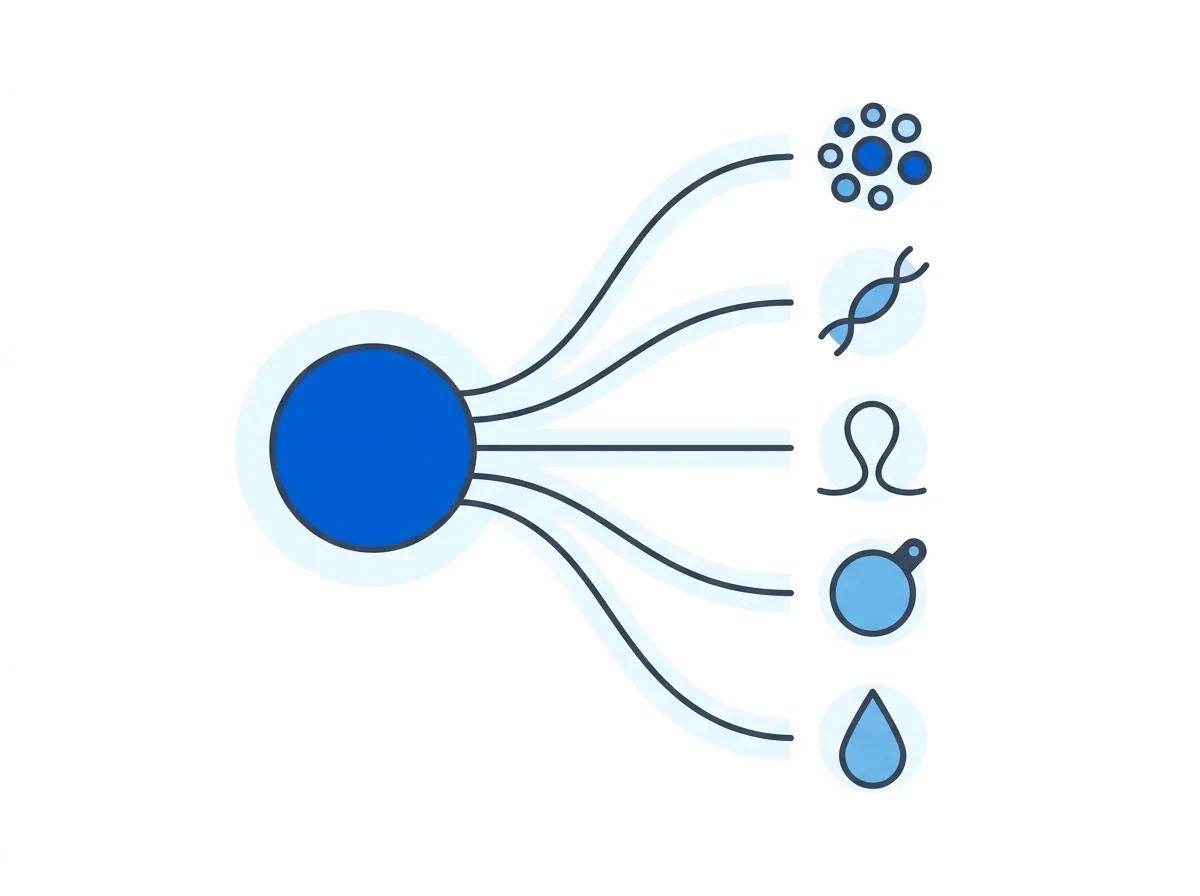
The reproducibility of your core is a property of where the standard lives. Keep it in people and it drifts every time the people change. Put it in the instrument and the only thing left varying is the tissue, which is what you were trying to measure. That does not deskill anyone: your senior scientists stop being a single point of failure and start setting the criteria and reading the edge cases. One platform runs fresh, frozen, and FFPE tissue, for cells or nuclei, down to inputs as small as 2 mg, to one standard of quality.