Complete FFPE workflow: from archive to publication with the Singulator 200+
The protocols, benchmarks, and expected results described in this guide assume properly prepared, high-quality FFPE blocks. Fixation conditions, storage history, and block age all affect downstream performance. Results from degraded, over-fixed, or improperly stored specimens may differ. Always validate block quality before committing precious samples to a full experiment.
Why the full workflow matters more than any single step
Most FFPE extraction guides focus narrowly on one piece of the process: how to curl tissue, which enzyme to use, or how to load a 10x chip. That compartmentalized approach misses the reality of working with archival tissue. Every step in the FFPE pipeline influences the next. A poorly assessed block wastes a perfectly good nuclei extraction. Excellent nuclei run through an unoptimized library prep produce mediocre sequencing data. The workflow is a chain, and the weakest link sets the ceiling.
This guide walks through the entire process, from pulling a block out of the biobank to submitting the sequencing run. It covers the decisions, timing, and quality checkpoints that separate a clean dataset from a failed experiment. The goal is practical: after reading this, the complete path from FFPE archive to publication-quality data should feel like a defined sequence of steps rather than a series of open questions.
TL;DR - Archive to publication essentials
- Assess the block first: visual inspection, H&E review, and DV200 measurement before committing to extraction
- Section at 50 micrometers for maximum nuclei yield from the Singulator 200+ two-cartridge workflow
- The S200+ automates deparaffinization and nuclei isolation in 60 minutes with 4 pipetting steps total
- Check nuclei concentration, morphology, and debris levels before loading onto the sequencing platform
- Validated for 10x Flex, Xenium, and PERFF-seq with publication-grade sequencing metrics
The complete FFPE workflow, step by step
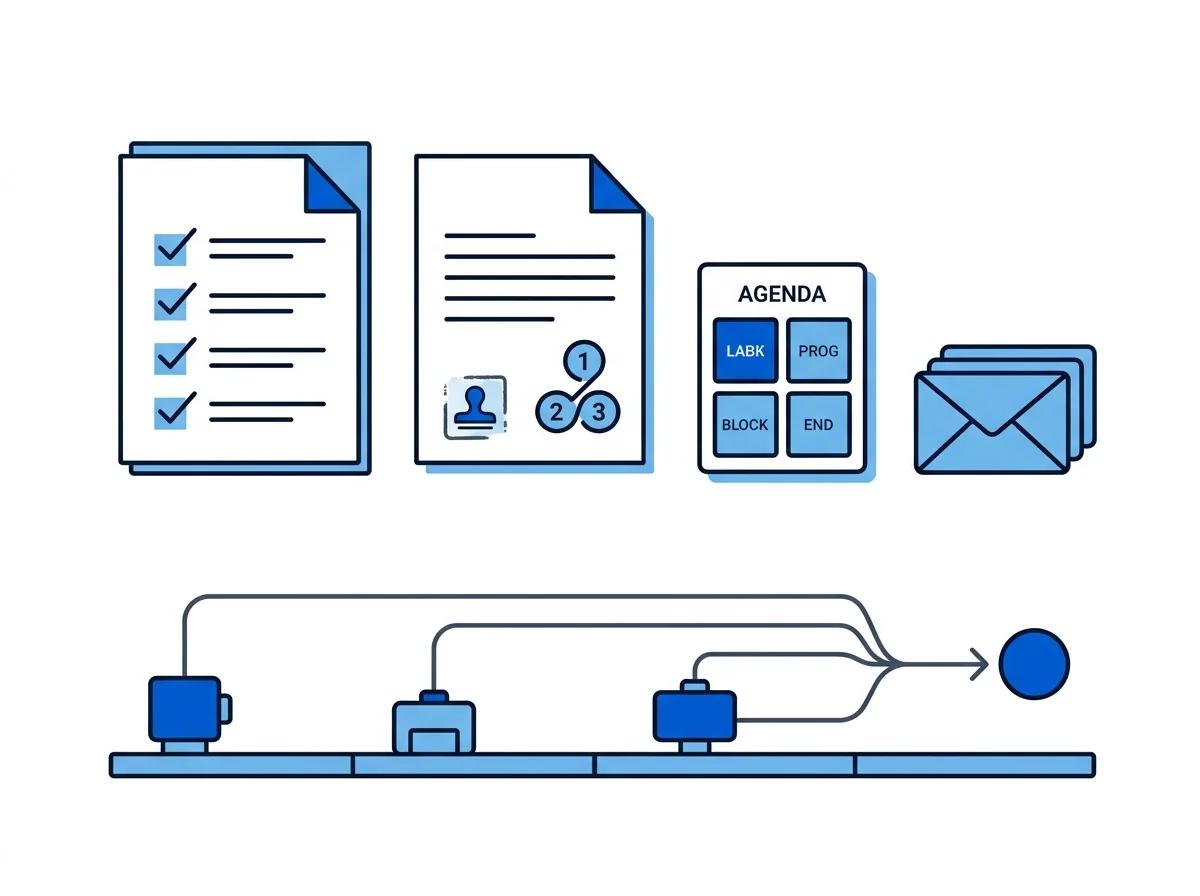
Five stages that take FFPE archival tissue from the storage cabinet to sequencing-ready nuclei and analyzable data.
Block assessment Evaluate your FFPE block before committing tissue
The single most common cause of a failed FFPE experiment is starting with a block that was never going to work. A 10x Flex run costs thousands of dollars in reagents alone. Spending 30 minutes on quality assessment before starting the extraction is cheap insurance against wasting that investment.
Visual inspection
Pick up the block and look at it. Cracks running through the tissue face, heavy discoloration, or tissue that has separated from the surrounding paraffin all signal potential problems. Small surface cracks are usually cosmetic and do not affect nuclei recovery, but deep fissures that penetrate the tissue can indicate dehydration damage. Blocks stored at room temperature for decades may show a yellowish paraffin discoloration that is normal and does not predict processing failure.
H&E assessment
Cut a single thin section (3-5 micrometers) and stain it with H&E. This serves two purposes: confirming that the tissue region of interest is actually present in the block face, and assessing general tissue preservation. Look for the cell populations that matter to the research question. In an oncology block, confirm that tumor tissue is present rather than adjacent stroma or necrotic regions. The H&E costs almost nothing and takes less than an hour.
Blocks stored for 0-5 years generally yield good nuclei and RNA quality. At 5-15 years, results become variable, and DV200 testing is strongly recommended. Beyond 15 years, nuclear membranes usually remain intact enough for nuclei isolation, but RNA quality may be marginal for transcriptomic applications. Always test before committing.
DV200 measurement
DV200 measures the fraction of RNA fragments longer than 200 nucleotides. It is the most informative single metric for predicting whether FFPE tissue will produce usable sequencing data. Extract RNA from a small test section and run it on a Bioanalyzer or TapeStation.
- DV200 >50% -- Good RNA integrity, proceed with confidence
- DV200 30-50% -- Marginal, expect reduced gene detection per cell
- DV200 <30% -- Severe degradation, sequencing costs may not be justified
Skipping DV200 on a block of unknown age or history is the most expensive shortcut in FFPE genomics. A $2 RNA quality check prevents a $3,000 failed sequencing run. If the DV200 comes back below 30%, it is better to know that before consuming the cartridges, not after loading a 10x chip.
Sectioning and input Section at 50 micrometers and prepare the input
FFPE blocks require different sectioning parameters depending on the downstream application. For dissociation-based workflows where tissue will be broken down into nuclei, thicker sections maximize tissue per cut. For spatial transcriptomics where tissue stays intact on a slide, thinner sections are standard. The Singulator 200+ workflow uses thick curls.
Section thickness: 50 micrometers
Set the microtome to 50 micrometers. This is the standard recommendation for the Singulator 200+ FFPE workflow (the Singulator 200+ FFPE nuclei isolation protocol). Thicker curls contain more tissue per section, which means more nuclei per cut and fewer total cuts needed from the block. Thinner sections (3-10 micrometers) are intended for slide-based spatial assays and provide far less tissue mass for dissociation.
Cool the block face on an ice pack for 5-10 minutes before sectioning. The cold firms the paraffin and produces cleaner curls. Collect each curl directly into a 1.5 mL tube. If the block crumbles rather than curling cleanly, collect the fragments anyway. Crumbled tissue works just as well in the Singulator 200+ because the material will be deparaffinized and dissociated regardless of its initial shape.
Minimum input requirements
The Singulator 200+ processes FFPE inputs as small as 2 mg of tissue or a single 50 micrometer curl. The Singulator 200+ FFPE nuclei isolation protocol consistently recovers over 1 million nuclei from a single 50 micrometer curl. For needle biopsies or very small specimens where a single curl weighs under 2 mg, pool 3-5 curls from the same block.
Precious sample strategy
When working with irreplaceable clinical blocks, use the first curl as a pilot run. Process it through the full workflow, check the yield, and evaluate data quality before committing the remaining material. This costs one curl but protects the rest of the block from being consumed by an untested protocol. The Singulator 200+ handles the pilot and the final run identically, so the pilot data is representative of what the full run will produce.
Every re-facing pass on the microtome permanently removes 10-20 micrometers of tissue. For blocks with limited material, get the block face flat in as few passes as possible, then cut the 50 micrometer sections. Each unnecessary re-facing wastes tissue that could have been a nuclei-producing curl.
Automated extraction Run the two-cartridge extraction on the Singulator 200+ S200+ Only
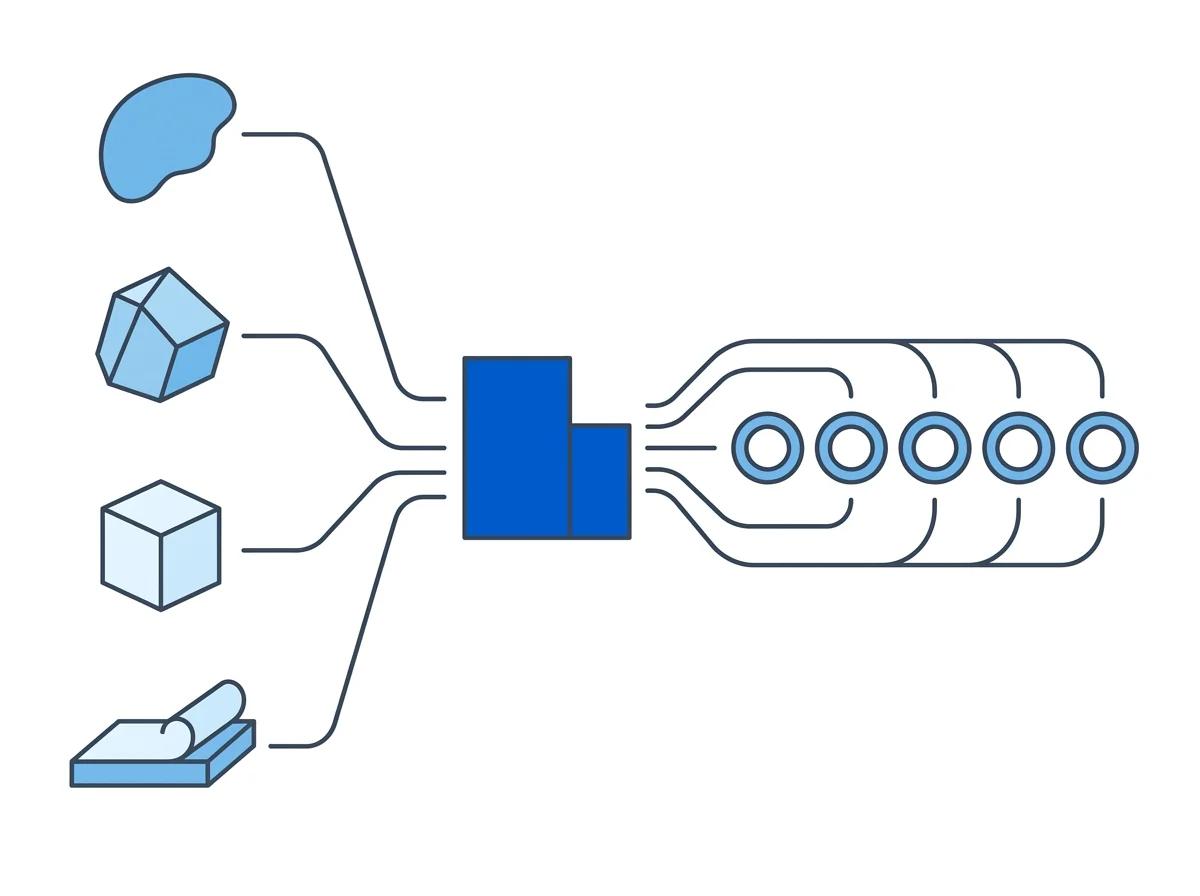
This is the step where the Singulator 200+ replaces what used to be 2 hours of manual work. Traditional FFPE nuclei isolation involves three cycles of toxic solvent incubation under a fume hood, a manual ethanol rehydration series, 45 minutes of enzymatic digestion, and multiple centrifugation and filtering steps. The S200+ compresses all of that into two cartridge steps.
FFPE two-step workflow S200+ Only
Step 1: deparaffinization and rehydration
Load the FFPE curl into the GREEN FFPE cartridge and place it on the Singulator 200+. The instrument automates deparaffinization using a proprietary safe solvent that replaces toxic xylene and CitriSolv. No fume hood needed. No ethanol rehydration series to pipette manually. The GREEN cartridge handles the entire chemical conversion from wax-embedded tissue to rehydrated, process-ready material.
Step 2: nuclei isolation
Transfer the processed tissue from the GREEN cartridge to the YELLOW NIC+ cartridge. The instrument automates enzymatic digestion and mechanical disruption using pre-optimized protocols. Every run follows the same mechanical force, the same enzyme exposure, the same timing. The output is a clean nuclei suspension.
Total instrument time: approximately 60 minutes. Hands-on time: less than 5 minutes. Pipetting steps: 4. Compare this to the manual Miltenyi protocol: 25 minutes hands-on, 28 pipetting steps, and approximately 2 hours total. The S200+ reduces hands-on time by 81% and pipetting steps by 86%.
What about reproducibility?
In head-to-head studies on mouse PDAC FFPE tissue, Singulator 200+ replicates yielded 1.0M and 1.0M nuclei. Manual Miltenyi replicates from the same tissue block yielded 1.5M and 0.4M -- a 3.75-fold difference. Erythrocyte contamination was 1% with the S200+ versus 5% with manual processing. The automated cartridge system removes the operator from the equation, which is where most batch-to-batch variability originates.
FFPE tissue processing is exclusive to the Singulator 200+. The Singulator 100 and Singulator 200 do not support the FFPE workflow. The GREEN FFPE cartridge and the two-cartridge FFPE protocol are only compatible with the S200+ platform.
QC and library prep Verify nuclei quality and prepare the sequencing library
Getting nuclei out of the tissue is only half the job. The nuclei suspension needs to pass quality checks before it goes onto a sequencing platform. Loading poor-quality nuclei onto a 10x chip is an expensive way to generate unusable data.
Quality checkpoints
After the Singulator 200+ run completes, evaluate the nuclei suspension on three criteria:
- Concentration: Count the nuclei. The Singulator 200+ FFPE nuclei isolation protocol typically yields over 1 million nuclei from a single 50 micrometer curl. If yield is significantly lower than expected, the issue is usually the input tissue rather than the instrument.
- Morphology: Inspect a small aliquot under a microscope or on a hemocytometer. Nuclei should appear as discrete, round to oval bodies. Clumps or large debris fragments suggest incomplete processing.
- Debris level: Assess the ratio of clean nuclei to debris. The S200+ typically produces suspensions with around 1% erythrocyte contamination. Excessive debris can clog microfluidic devices and introduce ambient RNA.
If debris or small clumps are visible after the S200+ run, pass the suspension through a 40 micrometer cell strainer. This removes aggregates that could clog the 10x chip. Most S200+ FFPE preparations do not require additional filtration, but it is a simple safeguard that takes less than a minute and costs almost nothing.
Library preparation on 10x Genomics Flex
The Singulator 200+ FFPE nuclei are validated for the 10x Genomics Chromium Flex assay. Flex uses probe-based chemistry rather than poly(A) capture, which is critical for FFPE samples where RNA is fragmented. Load the nuclei at the manufacturer's recommended concentration and follow the standard Flex protocol.
Sequencing metrics from the PDAC FFPE study confirm publication-grade data quality:
- Median genes per cell: 1,209-1,456
- Median UMI counts: 1,844-2,245
These numbers were consistent across both Singulator and manual preparations, confirming that the automated workflow does not compromise sequencing data quality.
The 60-minute extraction time means it is practical to go from FFPE block to loaded 10x chip in a single day. Block assessment in the morning, S200+ extraction over lunch, library prep in the afternoon. This compressed timeline reduces sample degradation from extended handling and storage.
Analysis and publication Analyze your data and build toward publication
Publication-quality FFPE single-nuclei data requires more than passing reads through a standard pipeline. FFPE samples carry specific artifacts -- RNA fragmentation signatures, fixation-induced mutations, and variable cell-type representation -- that need to be addressed during analysis.
Bioinformatics pipeline
The PDAC FFPE study used Cell Ranger v8 for primary analysis and Seurat v5 for downstream processing. These are well-documented, widely adopted tools that reviewers and collaborators will recognize. The probe-based Flex chemistry sidesteps the 3' bias problems that plague poly(A) capture on degraded FFPE RNA.
During quality filtering, expect to set thresholds for minimum genes per cell and maximum mitochondrial gene percentage. FFPE samples typically show higher mitochondrial fractions than fresh tissue, so adjust filtering parameters accordingly rather than using default fresh-tissue cutoffs.
Cell-type representation: what the data actually shows
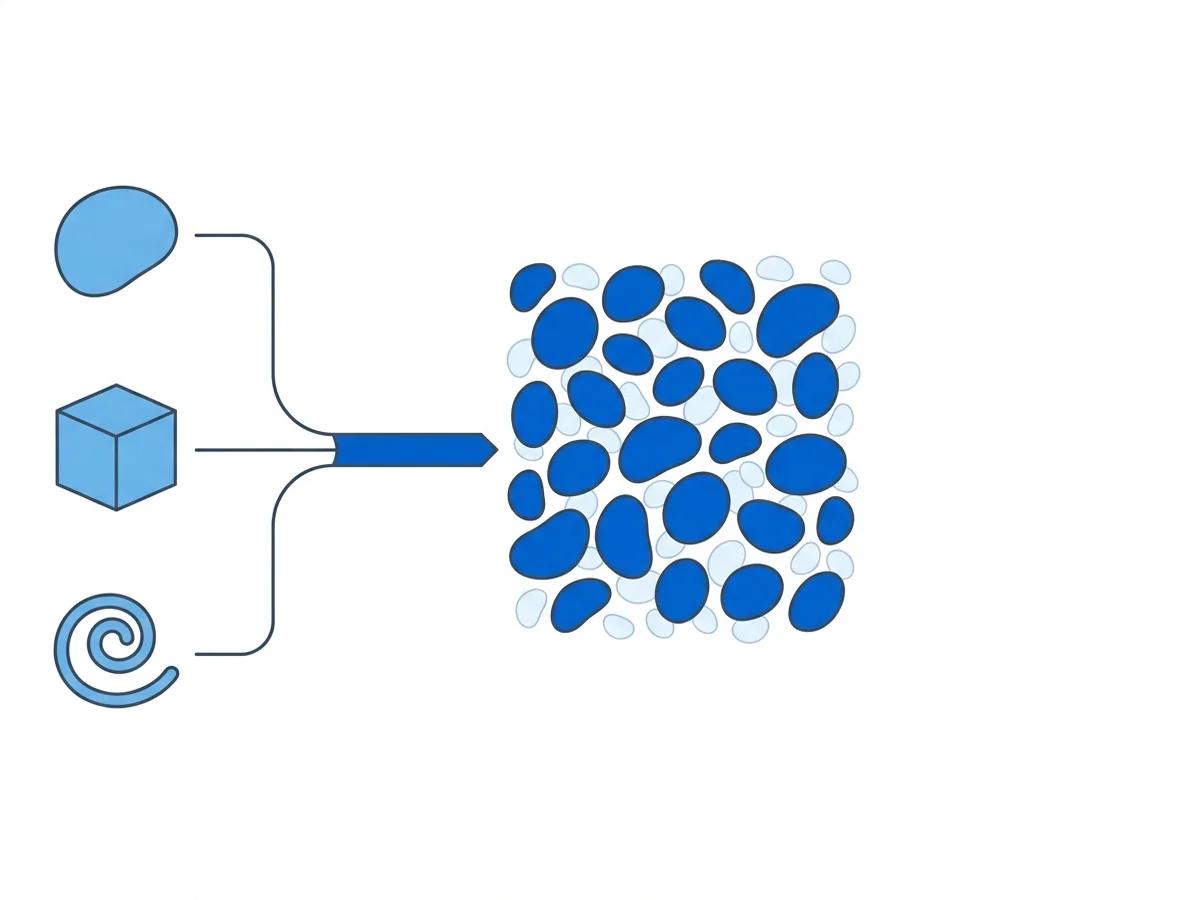
One of the strongest arguments for automated processing is what appears in the UMAP plots. In the PDAC FFPE study, the Singulator 200+ preparation enriched for ductal cancer cells and cancer-associated fibroblasts (CAFs) -- the populations that define the tumor microenvironment and drive treatment resistance. The manual Miltenyi preparation from the same tissue was skewed toward neutrophils, losing the very cell populations that most translational research questions depend on.
This is not a minor data quality difference. If the sample preparation method systematically destroys the cells that matter most to the research question, no amount of computational correction can reconstruct them.
The Memorial Sloan Kettering group (Dana Pe'er lab) demonstrated how S200+ FFPE nuclei integrate with spatial transcriptomics. They generated snRNA-seq data from FFPE mouse brain tissue with melanoma metastasis, then used that data as a reference atlas to annotate Xenium spatial data. The snRNA-seq revealed immune cell differences that overlapping Xenium signatures could not resolve on their own.
Publication validation: who has already published
Two high-profile validation cases provide reviewers with precedent for the S200+ FFPE workflow:
- MSKCC (Dana Pe'er lab): Used S200+ FFPE nuclei from mouse brain melanoma metastasis tissue. Combined snRNA-seq with Xenium for spatial-single-cell integration.
- Stanford/MSKCC: Validated PERFF-seq, a rare cell sequencing approach, using S200+ FFPE nuclei. Described as an "exciting breakthrough in nuclei profiling" in the context of the PERFF-seq method.
Formalin fixation introduces C>T and G>A transition artifacts from cytosine deamination. If variant calling is part of the analysis, apply UDG treatment during library preparation or use bioinformatic filters to flag and remove these characteristic mutation signatures. For transcriptomic-only studies, these artifacts have minimal impact on gene expression quantification.