One platform for every sample your core sees
Fresh, frozen, and FFPE tissue. Cells or nuclei. A core's intake range is the reason most labs end up running a method for each problem. One automated sample-prep instrument holds the whole range to a single standard of quality.
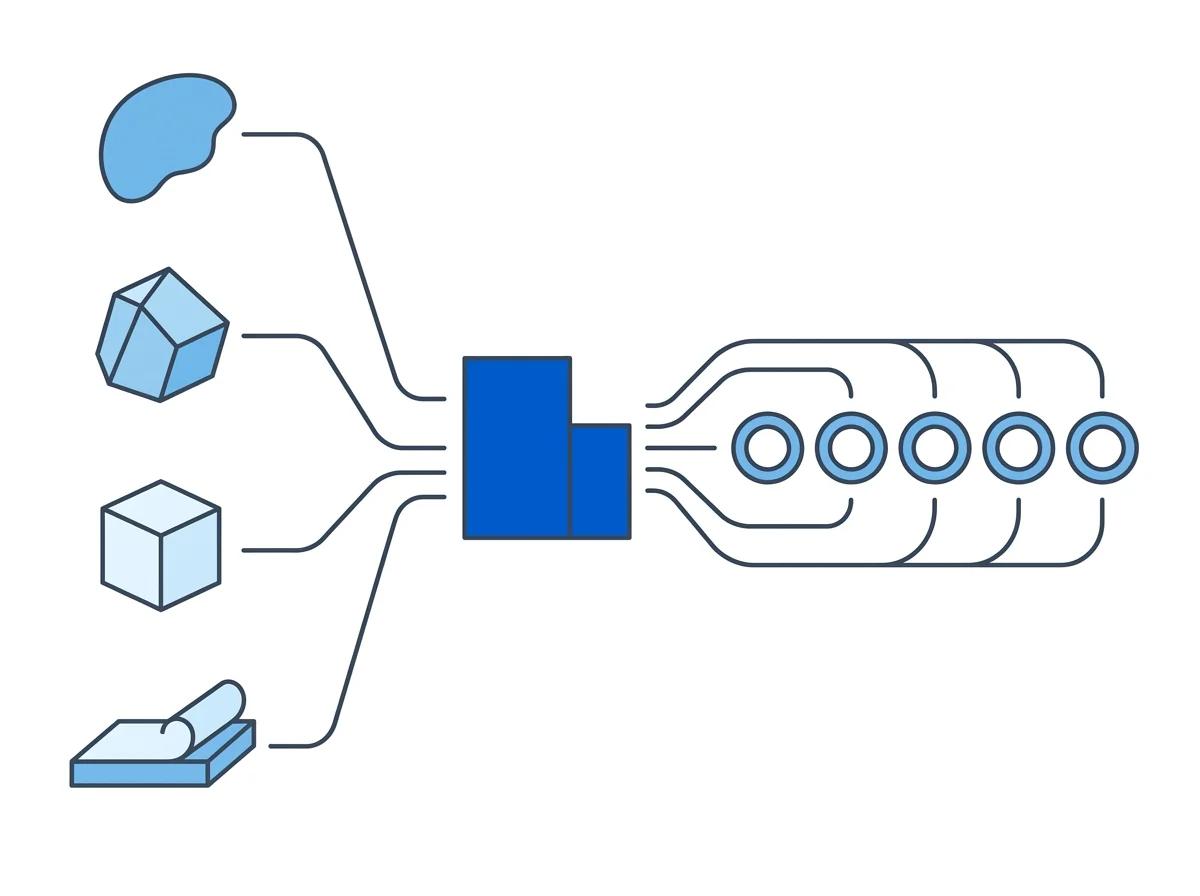
- One Singulator covers the full intake range a shared core sees — fresh, frozen, OCT, and FFPE tissue — and it returns either single cells or single nuclei from the same instrument.
- The win is collapsing many separate methods into one software-controlled workflow family, not any single sample type, so adding a tissue type does not mean standing up, validating, and maintaining another protocol.
- Fresh, frozen, and FFPE sit on equal footing. The Singulator 200+ adds a fully automated, xylene-free FFPE-to-nuclei path, so archival blocks stop being the request a core has to decline.
- Breadth is validated, not promised: a broad, standardized range of validated tissue types, with one institution running five assay types off a single Singulator footprint.
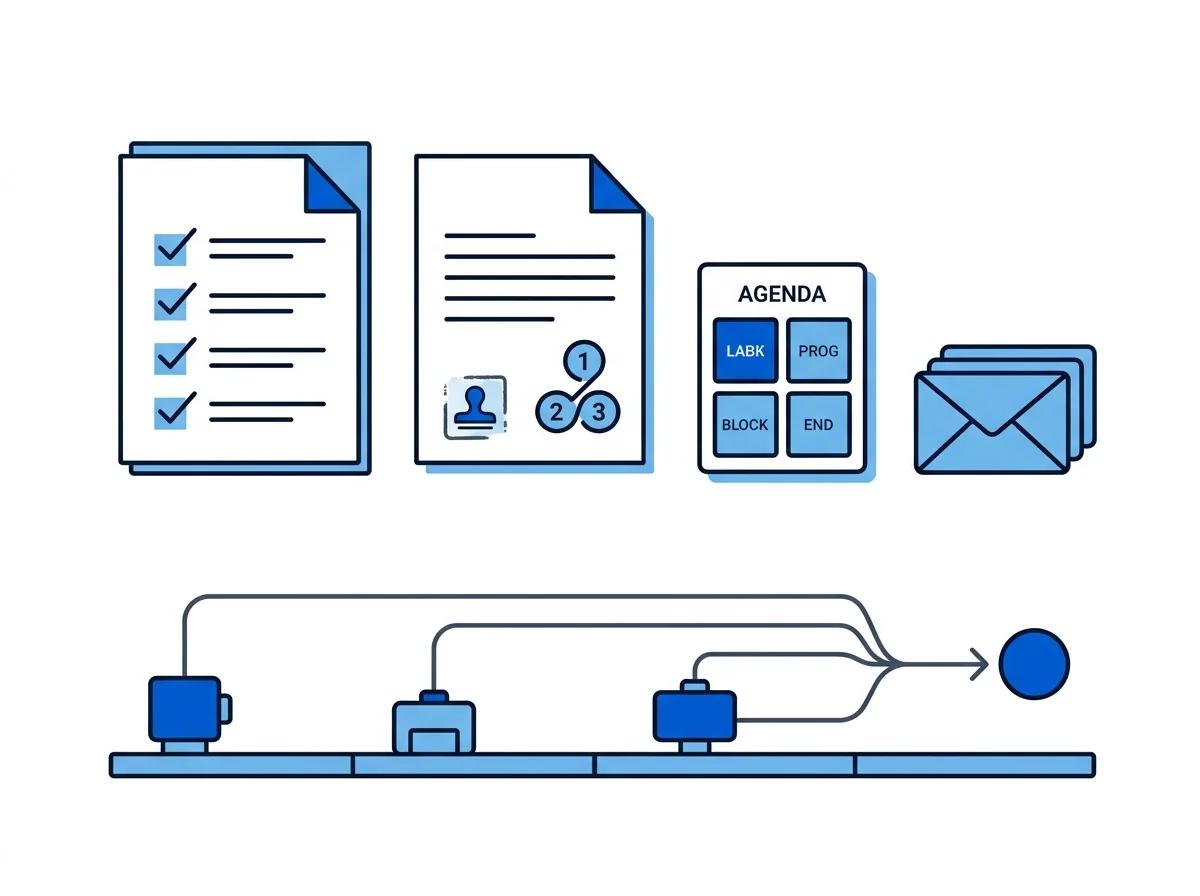
A single-cell genomics core does not get to choose what comes through the door. Monday is a fresh tumor resection a lab wants as a cell suspension. Tuesday is frozen brain for nuclei. Wednesday is a box of archival blocks from a retrospective cohort that has been sitting in pathology for six years.
Each of those is a different sample-prep problem, and the standard way to solve three problems is to run three methods. That is where the cost hides. Every method a core adds is another protocol to validate, another set of reagents to stock, another technique for a rotating bench to learn and keep current.
Breadth of service is the thing that makes a core valuable to its institution. It quietly becomes breadth of variability: each added method is one more place the result can drift, depending on who ran it and how recently they trained on that tissue.
What "one platform for every sample" actually means
The versatility claim is easy to make and easy to overstate. Here is precisely what one automated sample-prep instrument does and does not collapse into a single workflow.
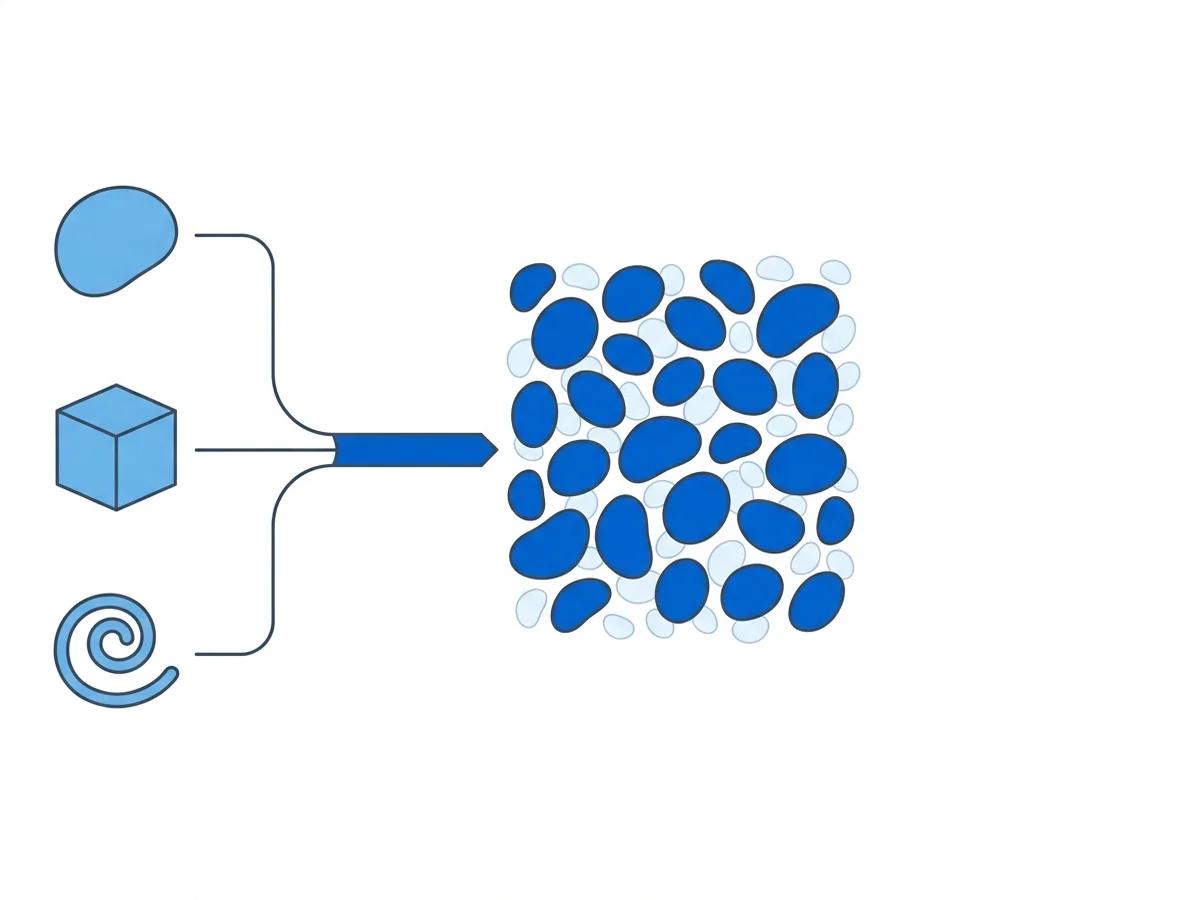
The Singulator is an automated single-cell sample-prep system that turns fresh, frozen, OCT, and FFPE tissue into sequencing-ready cells or nuclei on one software-controlled instrument, so the same enclosed, single-use cartridge family covers a core's whole intake range to one standard of quality. The variable that changes between runs is the tissue, not the method.
Two axes of breadth matter to a core, and they compound. The first is sample type: fresh, frozen, OCT, and FFPE, including hard and patient tissue. The second is output: cells when a workflow needs a live suspension, nuclei when the tissue is frozen, fragile, or archival. Many instruments handle one axis. Cells-only systems give up the nuclei half of the work; nuclei kits give up the cell half; manual workflows can do both, but only at the mercy of technique. Covering both axes on one footprint is what lets a core say yes to the next request without standing up the next method.
| Sample type | Output | On one Singulator | What the alternative usually requires |
|---|---|---|---|
| Fresh tissue | Cells or nuclei | Yes | A semi-automated dissociator or a manual dounce, with buffer prep, transfers, and filtration done by hand. |
| Frozen tissue | Cells or nuclei | Yes | A separate nuclei protocol, often a manual sucrose gradient or a column kit. |
| OCT-embedded | Cells or nuclei | Yes | Manual handling tuned per specimen. |
| FFPE block | Nuclei | Yes (200+; xylene-free) | Manual xylene deparaffinization in a fume hood, then a separate nuclei prep. Often declined entirely. |
Why running one method beats running five
The mechanism behind the versatility win is the same one behind standardization, which is why this piece sits alongside the case for treating prep as the most variable step. When a core runs a separate method for each tissue type, the prep step is operator-dependent in five different ways at once. Each method has its own hands-on choreography, its own failure modes, and its own learning curve, and the person three handoffs removed from whoever first optimized the frozen-brain protocol is improvising more than they would admit.
Folding those methods into one software-controlled workflow saves bench time, and more to the point, it removes the per-method drift. The instrument runs the same timing, force, temperature, and chemistry whether the input is a fresh tumor or an FFPE curl, set in software rather than reproduced from memory. The breadth stops multiplying the ways a prep can go wrong, because there is one prep, parameterized by tissue, not five preps held in five sets of hands.
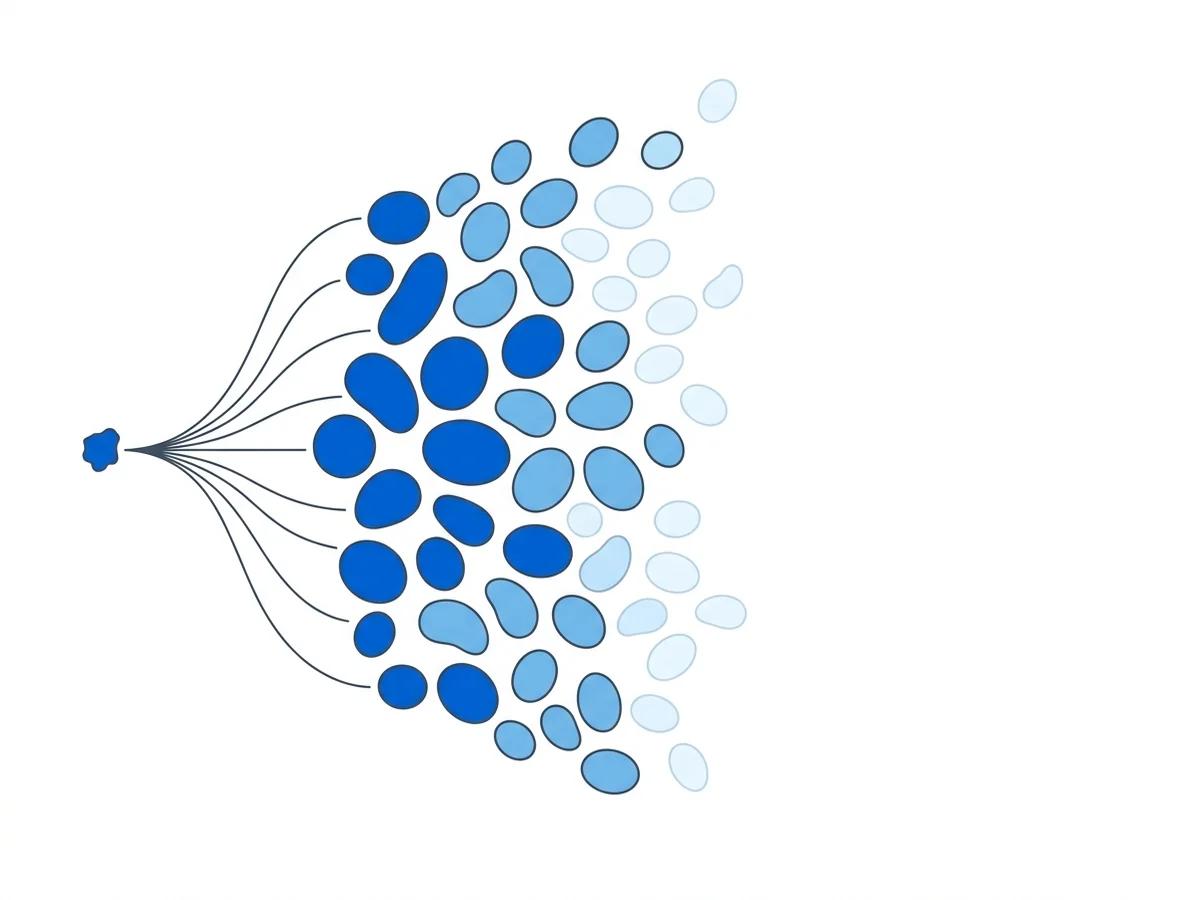
Breadth of service should not mean breadth of variability. One method, parameterized by tissue, keeps the result tracking the sample.
The chemistry is built to hold steady across that whole range. Processing is cold, with integrated 4 °C control, and enzyme-free on the nuclei side, which matters most for the fragile and degraded material a core cannot afford to lose. Enzymatic dissociation at 37 °C is known to induce artifactual stress-response and microglial-activation signatures in brain tissue (Marsh et al., 2022), the kind of method-introduced artifact a versatile cold workflow is designed to avoid. The same gentleness that protects frozen brain protects a 2 mg needle biopsy.
FFPE is part of the intake range, not a separate problem
For a core, the difficulty in versatility is usually the archival block. FFPE is where most automated prep stops, which is why the box from pathology so often gets declined or sent out. The Singulator 200+ runs a fully automated FFPE-to-nuclei path: automated deparaffinization to nuclei from a 50 µm curl in about 60 minutes, with no xylene handling, less than 5 minutes hands-on, and four pipetting steps. In a head-to-head against a manual FFPE prep on a mouse PDAC block, that automated path showed 81% less hands-on time and 86% fewer pipetting steps, with lower erythrocyte contamination (PCS FFPE application note, 2025).
FFPE earns its place here by stopping being the exception. When fresh, frozen, and FFPE all run on one instrument, a core can take in archival cohorts on the same workflow it already trusts for fresh and frozen. The decision to accept a retrospective study stops hinging on whether one person has time to babysit a fume-hood deparaffinization.
Versatility is a capability claim, so it is worth seeing where it is validated rather than asserted.
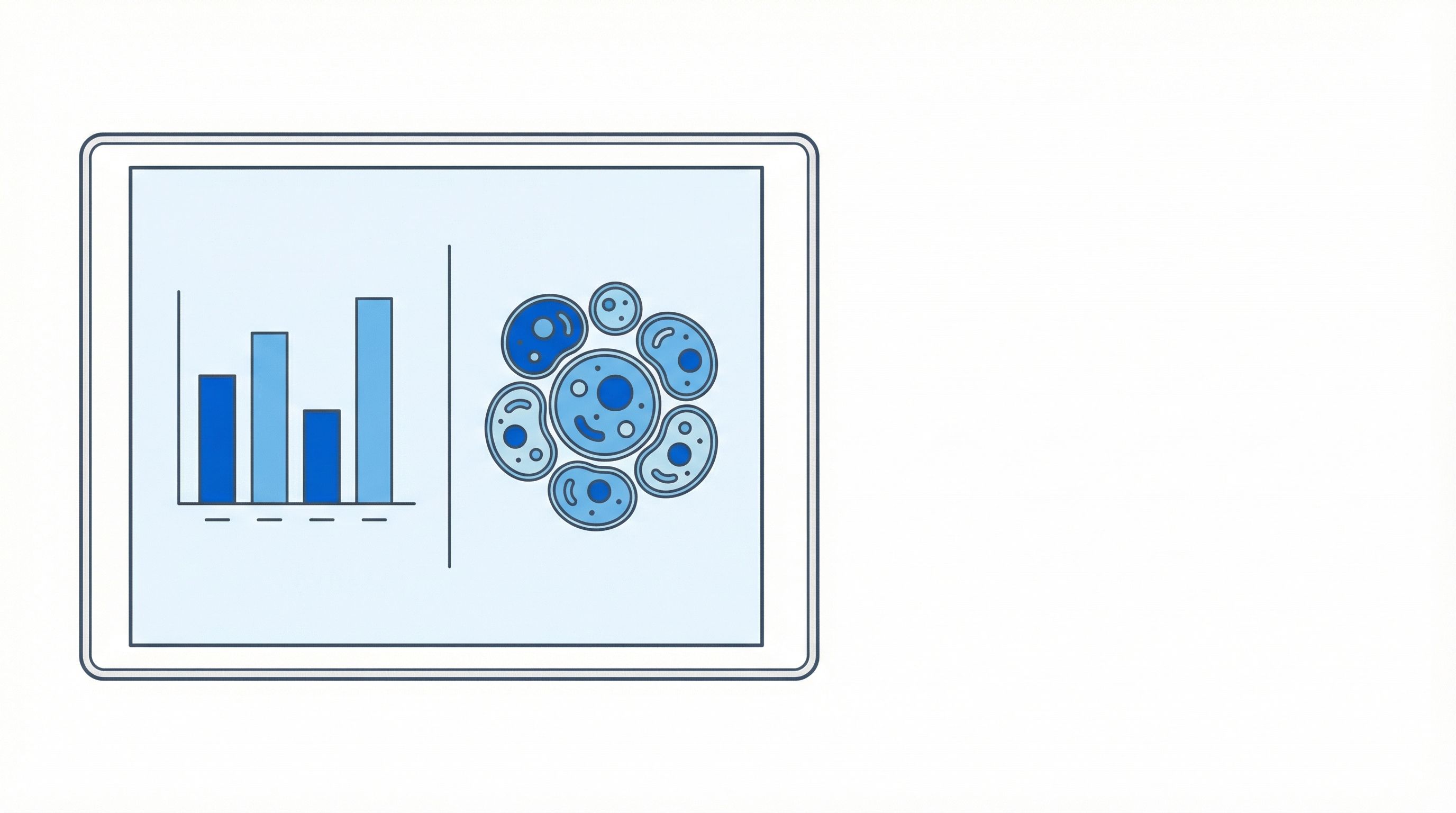
On the nuclei side, the quality of that breadth is documented independently. In a head-to-head comparison on frozen mouse cortex, the Singulator produced roughly 100% structurally intact nuclei, versus about 85% from a sucrose-gradient prep and about 35% from a column kit, with under 0.5% mitochondrial reads, the lowest sample-to-sample variability of any method compared, and among the lowest ribosomal content (Kersey et al., 2026). Output from either path feeds the platforms a core already runs, including 10x Chromium and Flex, BD Rhapsody, Parse Evercode, Visium HD, and Xenium.
The question most core directors ask
Versatility raises a fair objection, and it deserves a direct answer rather than a reassurance.
"FFPE blocks and hard tissues vary enormously. Can one instrument really handle the difficult ones?"
Block-to-block variability is real, and no instrument erases it. A six-year-old archival block is a different starting material than a fresh resection, and pretending otherwise would be the wrong claim. What a software-controlled instrument removes is the variability layered on top of the sample: the handling, timing, and technique that change with whoever is at the bench. For severely degraded archival material, the right move is a quick block-quality check before committing a precious curl, and PCS applications can help set those criteria. The instrument holds its half of the process steady so that the only variability left is the one already in the tissue, which is the variability you are actually trying to measure.
Does one instrument output both cells and nuclei?
Yes. The Singulator returns sequencing-ready single cells or single nuclei from the same instrument, using different cartridges. Cells suit fresh tissue and live-suspension workflows; nuclei suit frozen, fragile, or archival material. A core does not need a separate platform for each output.
What is the lowest tissue input it is validated for?
As little as 2 mg for fresh or frozen tissue, and a 50 µm FFPE curl on the Singulator 200+. Cold, enzyme-free chemistry and short run times are what make low input workable, which matters for needle biopsies, rare tissue, and limited patient specimens. The 2 mg figure is the non-FFPE input; the FFPE path is the curl, on the 200+.
Will it slot into the downstream platforms we already run?
Output is platform-agnostic. Cells or nuclei feed directly into 10x Chromium and Flex, BD Rhapsody, Parse Evercode, Visium HD, and Xenium, so versatility on the prep side does not lock the core into one sequencing or spatial pipeline.
Is throughput the trade-off for this breadth?
No. Throughput is on par with established semi-automated methods, without the manual technique they require. The breadth comes from the workflow family, not from slowing any one run down.
What to do next
If your core is carrying more than one sample-prep method to cover its intake, the useful next step is to look at where the methods multiply rather than where any single one is slow. Map the sample types you take in against the methods you run today, and count the protocols, reagents, and trained operators each one requires. That map usually makes the consolidation case on its own. For a structured way to run that exercise, the Core Director's Standardization Field Guide walks through it step by step.
The most direct way to pressure-test the breadth is to start from the sample type your core currently struggles with most, whether that is a frozen specimen that gives inconsistent nuclei or an archival block you have been declining. A PCS specialist can walk through how the instrument handles it and how the result compares on the metrics your downstream pipeline already reports.