 BlogPart 1
Cold Case - Part 1: The Cold Case Files
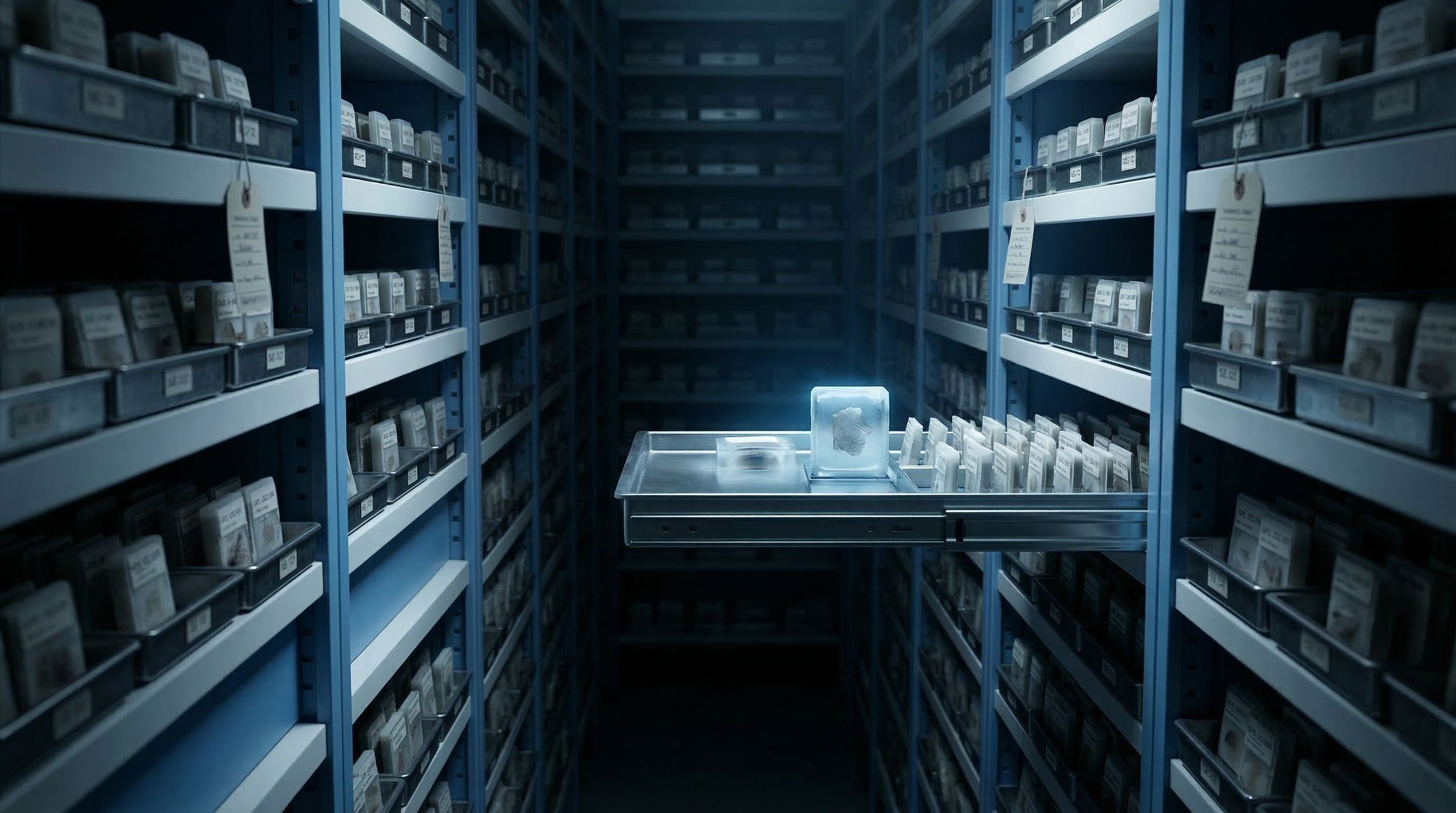
Millions of FFPE brain tissue blocks sit in biobanks worldwide, holding decades of evidence about Alzheimer's, Parkinson's, and neurodegenerative diseases. What if we could reopen these cases?

Millions of FFPE brain tissue blocks sit in biobanks worldwide, holding decades of evidence about Alzheimer's, Parkinson's, and neurodegenerative diseases. What if we could reopen these cases?
BlogPart 1Millions of FFPE brain tissue blocks sit in biobanks worldwide, holding decades of evidence about Alzheimer's, Parkinson's, and neurodegenerative diseases. What if we could reopen these cases?
 BlogPart 2
Manual extraction of nuclei from FFPE brain tissue destroys 50 to 60 percent of starting material. Fragile neurons die first, leaving biased results. Here is what goes wrong.
 BlogPart 3
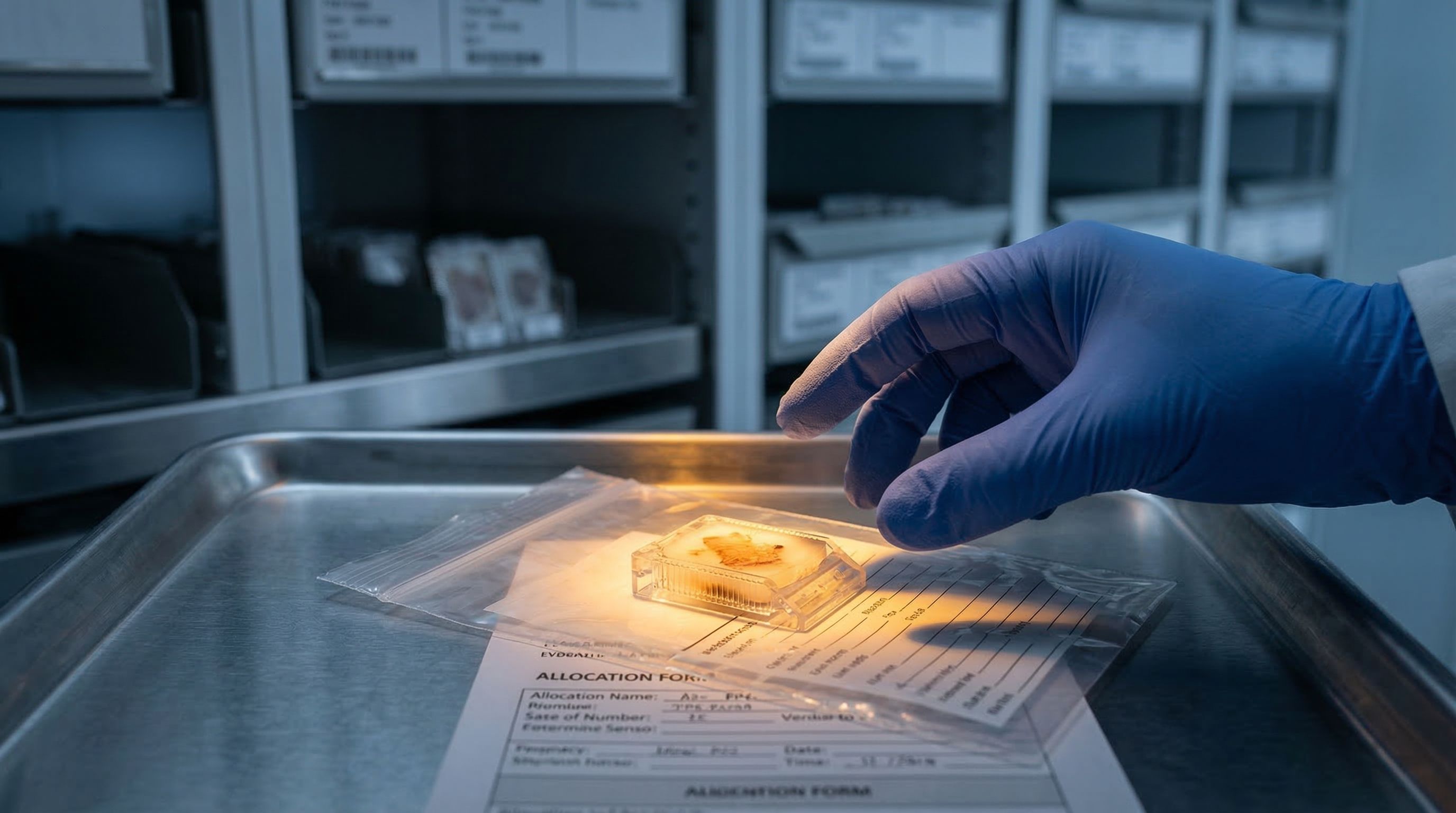
NIH biobanks give you one allocation of irreplaceable brain tissue. Manual processing destroys 50-60% before analysis begins. The extraction method is the real variable.
 BlogPart 4
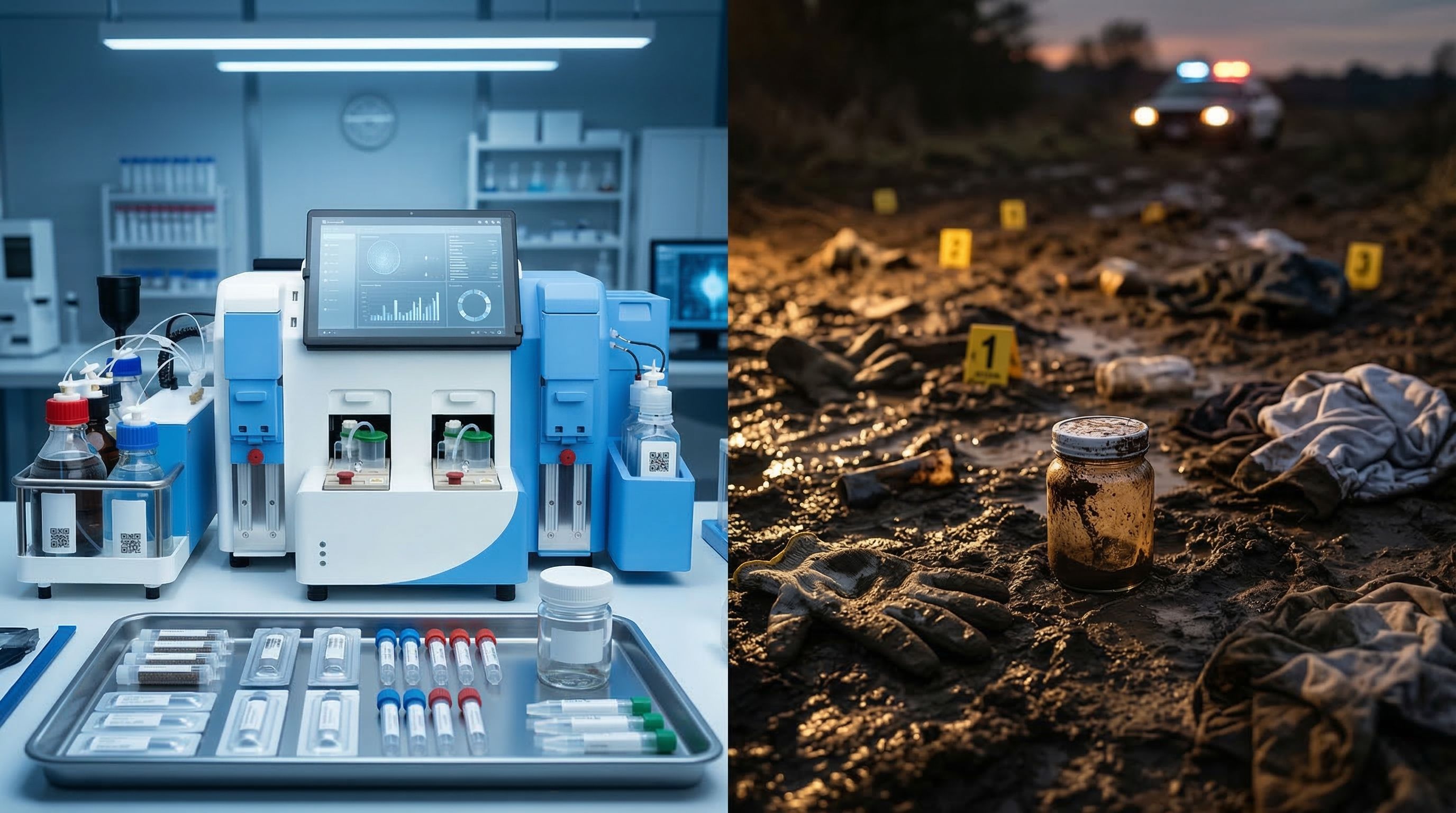
Manual FFPE processing destroys fragile neuronal nuclei and produces variable results. The Singulator 200+ automates the workflow with a two-cartridge system that delivers consistent, operator-independent results from irreplaceable brain tissue.
 BlogPart 5
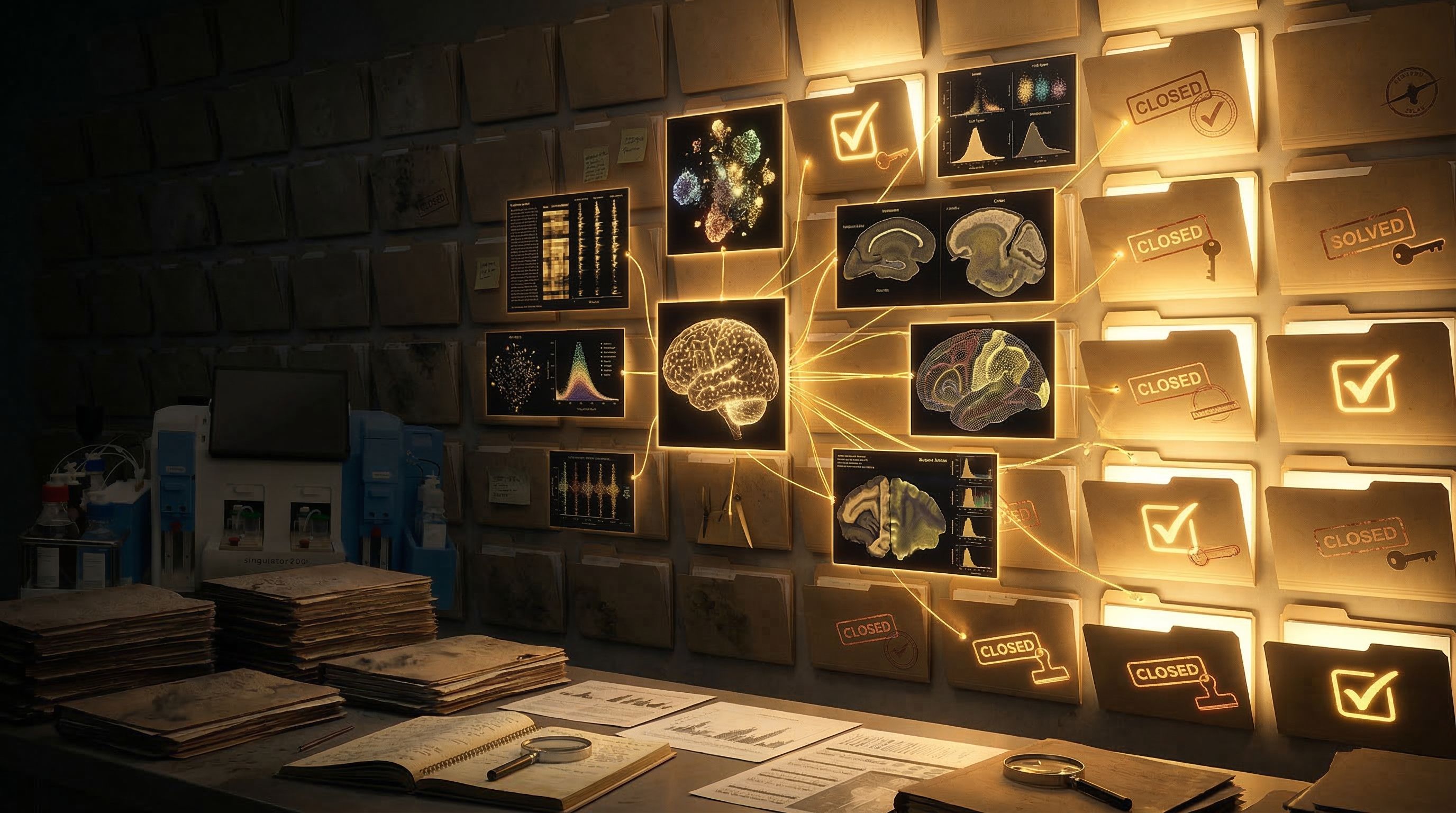
Brain atlases are being built. Archival tissue is finally talking. How standardized nuclei extraction and platform-agnostic analysis are solving neuroscience's oldest cold cases.