Blog Series 5 parts

Brain Map Series

Follow our complete Brain Map series exploring glial cells and their crucial role in neuroscience research. From the historical oversight of glia to cutting-edge mapping techniques.

1
Brain Map - Part 1: Why Did Science Miss Half the Brain? — BlogBlogPart 1
Singulator 100Singulator 200Singulator 200+

Brain Map - Part 1: Why Did Science Miss Half the Brain?

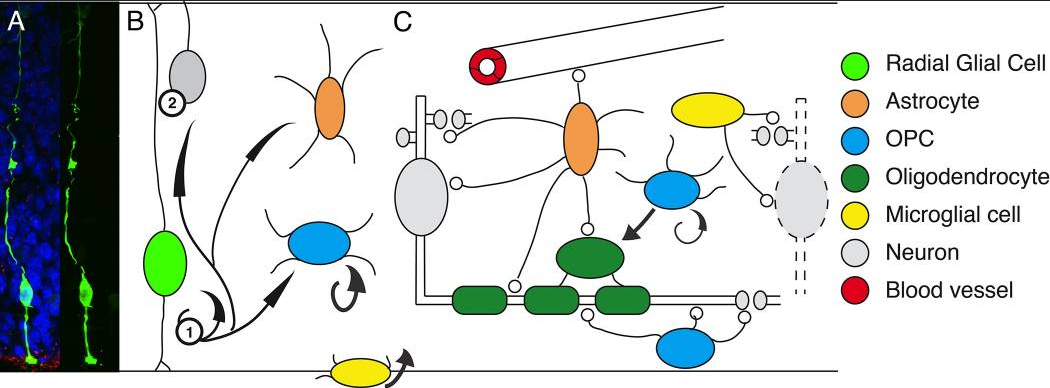
For a century, neuroscience focused exclusively on the neuron, dismissing glia as mere "packing peanuts." Discover how single-nucleus sequencing revealed the active, critical role of the brain's immune and support systems—and why this shift changes everything for Alzheimer's research.
Read Blog
2
Brain Map - Part 2: What is Ruining Your Frozen Experiments? — BlogBlogPart 2
Singulator 100Singulator 200Singulator 200+

Brain Map - Part 2: What is Ruining Your Frozen Experiments?

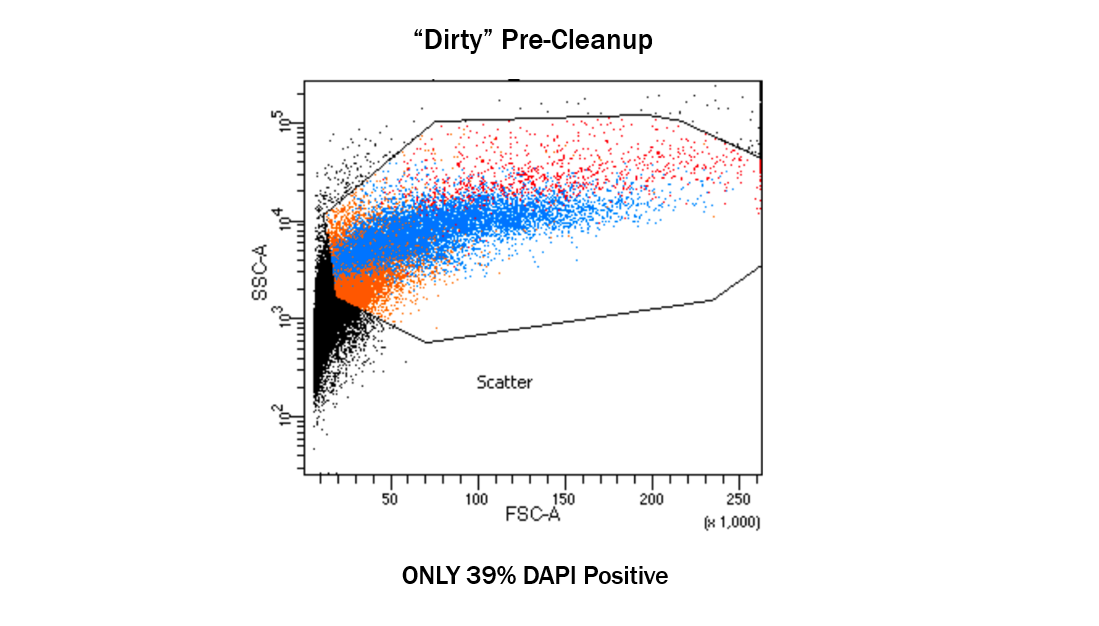
What is Ruining Your Frozen Experiments? Description: Every great story needs a villain. In frozen brain tissue processing, that villain is myelin debris. Learn how lipid contamination clogs microfluidics and ruins data, and see how the Singulator’s automated Protocol DP0006 neutralizes this threat to unlock biobank archives.

Read Blog
3
Brain Map - Part 3: Fresh vs. Frozen: Which Side Are You On? — BlogBlogPart 3
Singulator 100Singulator 200Singulator 200+

Brain Map - Part 3: Fresh vs. Frozen: Which Side Are You On?

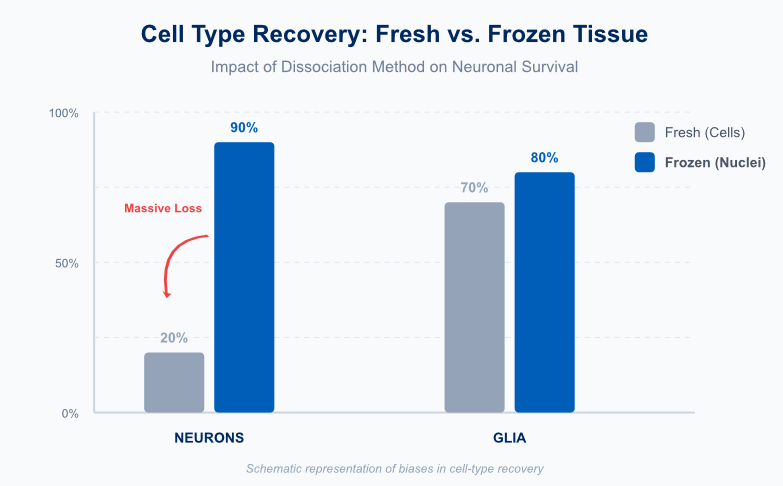
Fresh vs. Frozen: Which Side Are You On? Description: The debate between fresh tissue (whole cells) and frozen tissue (nuclei) divides labs. We explore why fresh dissociation often creates a "map of a disaster" through stress artifacts, and why frozen nuclei offer the unbiased, stable truth required for atlas-scale science.

Read Blog
4
Brain Map - Part 4: The List is Good, But Is the Map Better? — BlogBlogPart 4
Singulator 100Singulator 200Singulator 200+

Brain Map - Part 4: The List is Good, But Is the Map Better?

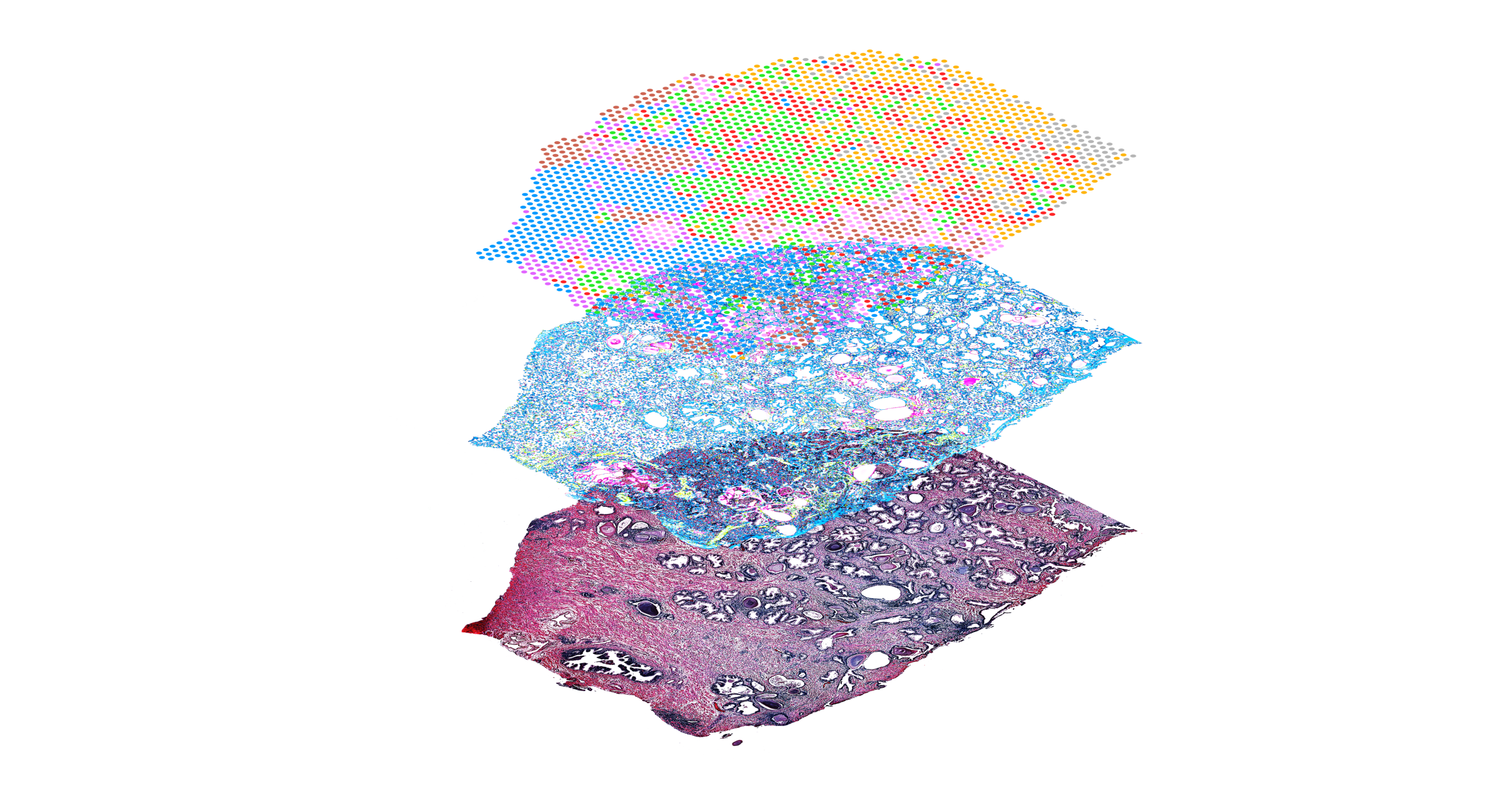
The List is Good, But Is the Map Better? Description: Single-nucleus sequencing gives you the "List" of cell types, but Spatial Transcriptomics gives you the "Map." Discover how combining these technologies creates a high-resolution "Precision Point," and how one automated platform can serve as the engine for both workflows.

Read Blog
5