In Cell Therapy, Your Cell Count Can Serve as a Release Assay
In autologous CAR-T, the lot is one patient's cells. That changes what a count has to survive.

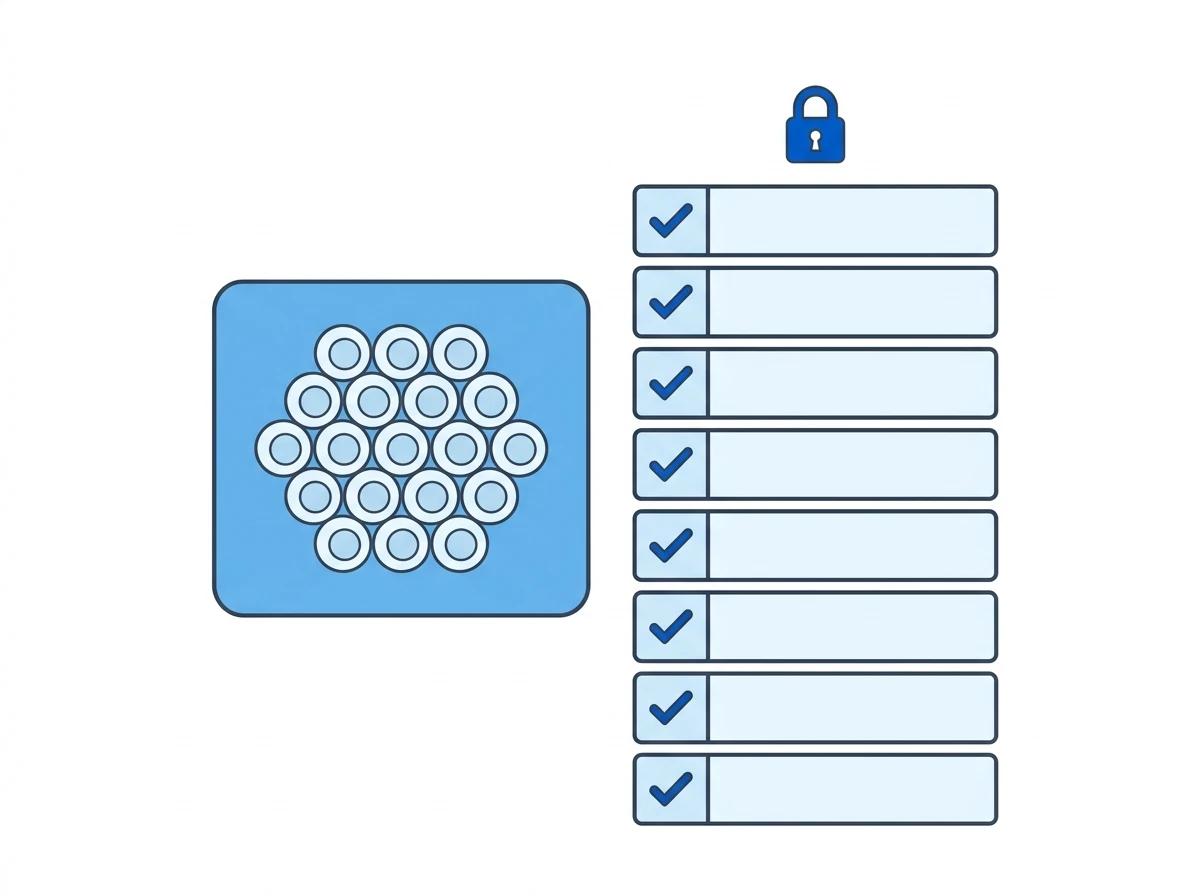
- A release assay is a result you have to prove to an auditor, not just record. In cell-therapy manufacturing a cell count can now clear that bar, because 21 CFR Part 11 (audit trail, e-signatures, role-based access, and a logged record of any deletion) reaches the count once it is part of the batch record.
- The lot is one patient's cells, so there is no re-run. Whatever you record at release is the count you answer for — which makes the record around the number matter as much as the count itself.
- Accuracy is table stakes; provability is what gets a count released. The serious instruments are all accurate, so the useful question shifts from "is it accurate?" to "can you prove it?"
Every QC scientist standing up a GMP cell-therapy workflow ends up in the same meeting. IT and Quality come to vet the cell counter, and their first questions have nothing to do with accuracy.
They want to know who can change a result, and whether the system keeps a record when someone deletes one. Somewhere in that conversation a routine cell count stops being a lab measurement and becomes something you have to answer for.
The count quietly changed jobs
The cell count got promoted, and no one sent a memo. It used to be a convenience metric — the number you jotted down to decide whether to keep going. Now it can land on the certificate of analysis for a released lot. That is what lets it function as a release-assay result: a number an auditor can question and you have to stand behind.
A cell count used to be a number you recorded. In cell-therapy manufacturing, it can now be a number you have to prove.
Why the count grew up with the field
The promotion is real because the field moved. Cell therapy came off the research bench and onto GMP manufacturing floors turning out autologous CAR-T. GMP brings 21 CFR Part 11, the data-integrity standard for electronic records. Part 11 asks for an audit trail, electronic signatures, role-based access, and a logged record of any change or deletion. Those requirements used to live on the big analytical instruments and the LIMS. Now they can reach the cell count, because at release the count is part of the batch record.
Read against the count, the four Part 11 expectations get concrete:
| 21 CFR Part 11 requirement | What it asks of the cell count |
|---|---|
| Audit trail | A time-stamped, computer-generated log of every action that creates, modifies, or deletes a count — recorded automatically, not by hand. |
| Electronic signatures | Each recorded count is attributable to the person who ran and approved it. |
| Role-based access | Only authorized roles can run, review, or change a count — and the system enforces it. |
| Record of any deletion | If a result is deleted, the trail still shows that it existed and that it was removed — raw data cannot quietly disappear. |
The gap shows up as one specific worry
When IT and Quality vet a counter, the concern gets precise. The sharpest version comes up again and again: whether the audit trail would capture when data has been deleted. The count could be perfectly accurate and that concern would still hold, because the concern is about the record, not the arithmetic.
The system has to show that no one altered the number, and prove that to an auditor who was not in the room. An accurate count you cannot account for is, at release, not yet a result.
The lot is one patient's cells, so there is no re-run
CAR-T sharpens all of this, because the lot is one patient. The starting material is that person's own cells, the batch size is one, and the product is already spoken for. You cannot re-pull the sample and count again next week. Whatever you record at release is the only count there will ever be.
The real question moved from accurate to provable
So the useful question about a counting step has changed. Accuracy is table stakes. The serious instruments here are all accurate, and an auditor rarely doubts your arithmetic. What the auditor does test is whether the number holds up on the record: who touched it, whether the system logged the change, and whether a deletion would show. A count is only as good as what you can prove about it.
Accuracy gets a count considered. Provability is what gets it released.
Spec the count as a release assay from day one
So treat the count as though it can serve as a release assay from the day you design the workflow. Choose an instrument that logs every action and keeps that record whole even when a result is deleted. Do that, and the count becomes the easy part of the release: the one number you can walk an inspector through, start to finish. Pick the counter for what it can prove, and the release takes care of itself.
If you are writing this into an SOP, an audit-ready cell counting guide lays out what Part 11 actually asks of the count.
Speccing a counter for a GMP cell-therapy workflow?
Talk through what an auditor will ask of your cell count — audit trail, e-signatures, role-based access, and a record of every deletion — before it is written into your SOP.